GPB2 · GPB4
GP Series
GPB2 and GPB4 are the GP ball nose families. Both cover catalog diameters from 1 to 20 mm and carry an AlCr-based condition below 55 HRC. GPB2 is a 2-flute family and GPB4 is a 4-flute family.

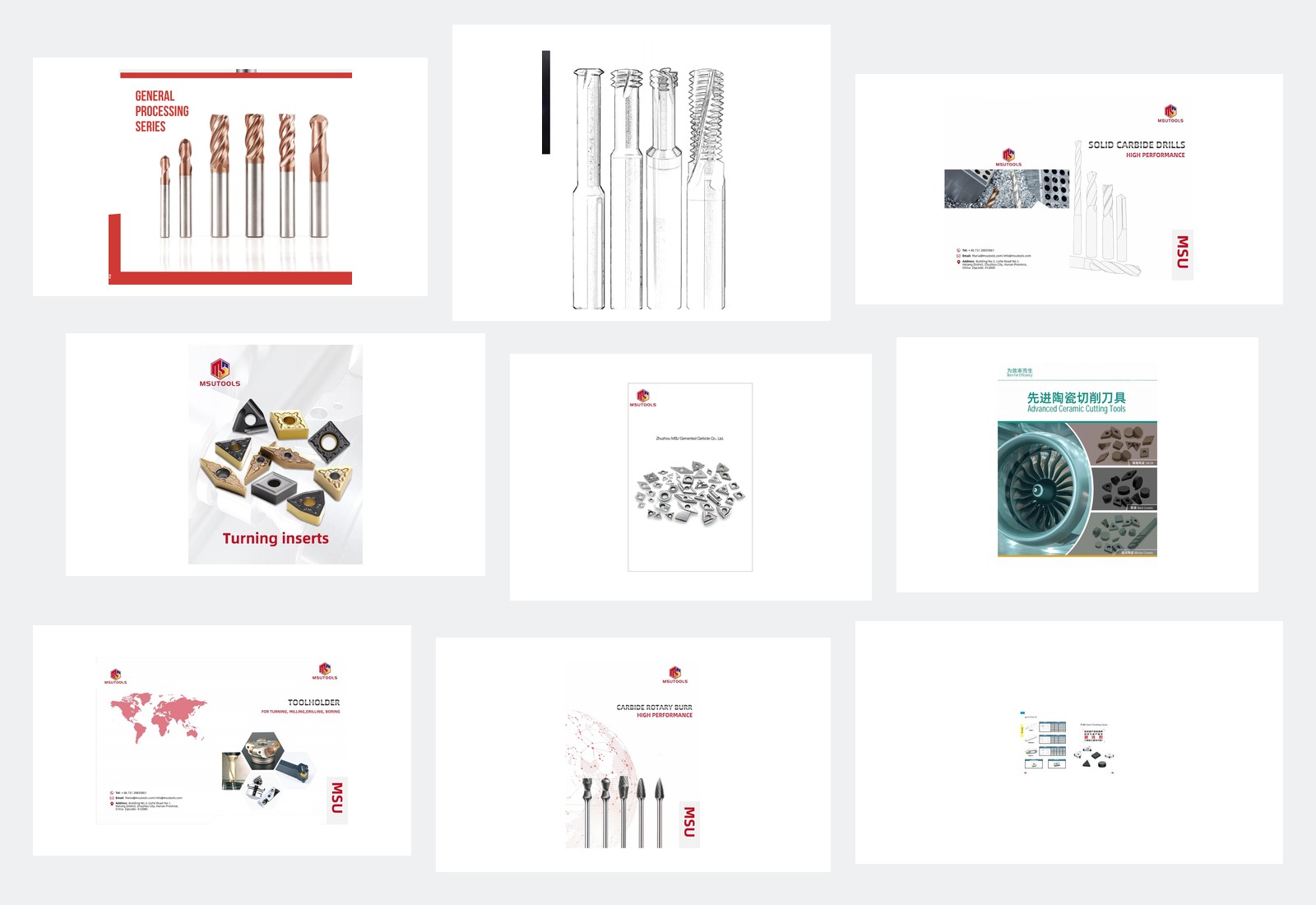
MSU-Manufactured Carbide End Mills
MSU manufactures non-micro, non-tapered ball nose end mills across GP, GPP, HPX and MH catalog series for curved-surface and contour-machining requirements.
Compare the available families by diameter, ball radius, flute count, reach, coating, material condition and application. Send the exact catalog code when known, or provide the part and machining conditions for selection review.
Send the radius, diameter, workpiece and operation for a catalog check or quotation.
Request a Ball Nose End Mill ReviewThe MSU ball nose range contains five non-micro, non-tapered families and 127 catalog codes. These carbide ball nose end mills have a continuous rounded cutting-end profile and are also called ball end mills.
Micro ball nose tools remain with Micro End Mills. Tools with a tapered body and ball-nose end remain with Tapered Ball Nose End Mills. Catalog codes identify configurations; confirm current availability during quotation.
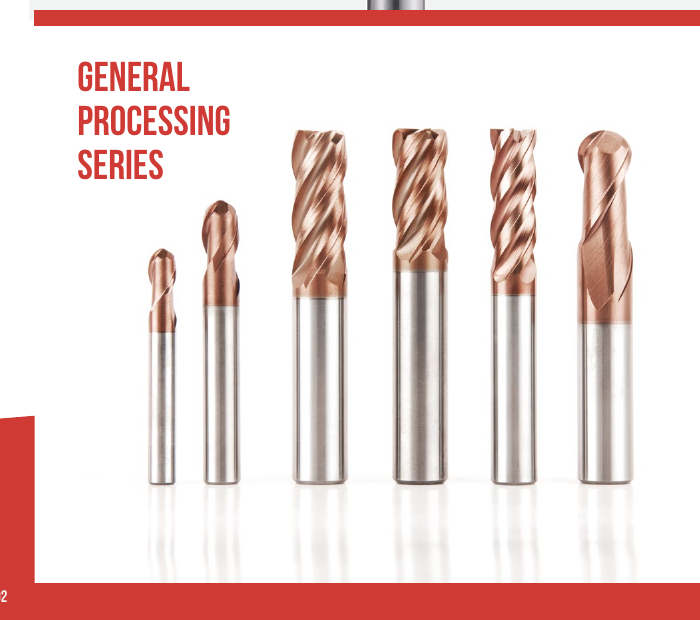
GPB2 · GPB4
GPB2 and GPB4 are the GP ball nose families. Both cover catalog diameters from 1 to 20 mm and carry an AlCr-based condition below 55 HRC. GPB2 is a 2-flute family and GPB4 is a 4-flute family.
GPPB2
GPPB2 is the enhanced 2-flute ball nose family in the GPP series. Its catalog diameter range is 1 to 20 mm, with an AlCr-based condition below 55 HRC.
HPBX2
HPBX2 is the 2-flute ball nose family in the HPX series. Its catalog diameter range is 1 to 20 mm, with an AlCr-based condition below 55 HRC.
MHB2
MHB2 is the 2-flute high-hardness ball nose family. Its catalog diameter range is 1 to 20 mm, with TiAlSi and a below-65-HRC boundary.
Compare the five families by flute count, diameter range, coating and catalog hardness boundary.
Compare Ball Nose SeriesChoose the family from the catalog condition, then confirm the exact model row. Diameter, ball radius, cutting length, reach, shank and overall length must all be read from the selected configuration.
| Catalog family | Flute count | Catalog diameter range | Catalog condition | What to confirm next |
|---|---|---|---|---|
| GPB2 | 2 | 1–20 mm | AlCr-based; below 55 HRC | Diameter, ball radius, reach, shank and operation |
| GPB4 | 4 | 1–20 mm | AlCr-based; below 55 HRC | Diameter, ball radius, reach, shank and operation |
| GPPB2 | 2 | 1–20 mm | AlCr-based; below 55 HRC | Diameter, ball radius, reach, workpiece and operation |
| HPBX2 | 2 | 1–20 mm | AlCr-based; below 55 HRC | Diameter, ball radius, reach, workpiece and operation |
| MHB2 | 2 | 1–20 mm | TiAlSi; below 65 HRC | Workpiece grade, hardness, diameter, radius and operation |
Flute count is one selection input, not a complete selection rule. Compare it with the surface geometry, tool engagement, chip evacuation requirement, reach, workpiece, machine, holder and coolant. Coating and hardness labels are retained as catalog conditions and do not establish a universal machining result.
Continue to the part geometry, workpiece and setup information required for selection.
Review Ball Nose Application InputsBall nose tools are reviewed for machining requests involving continuous curved surfaces, 3D contouring, profiling and mold-surface geometry. These are application categories, not a promise of surface finish, cycle time or tool life. Use the End Mill Selection Guide to review geometry, workpiece material and setup. Provide the following inputs together:
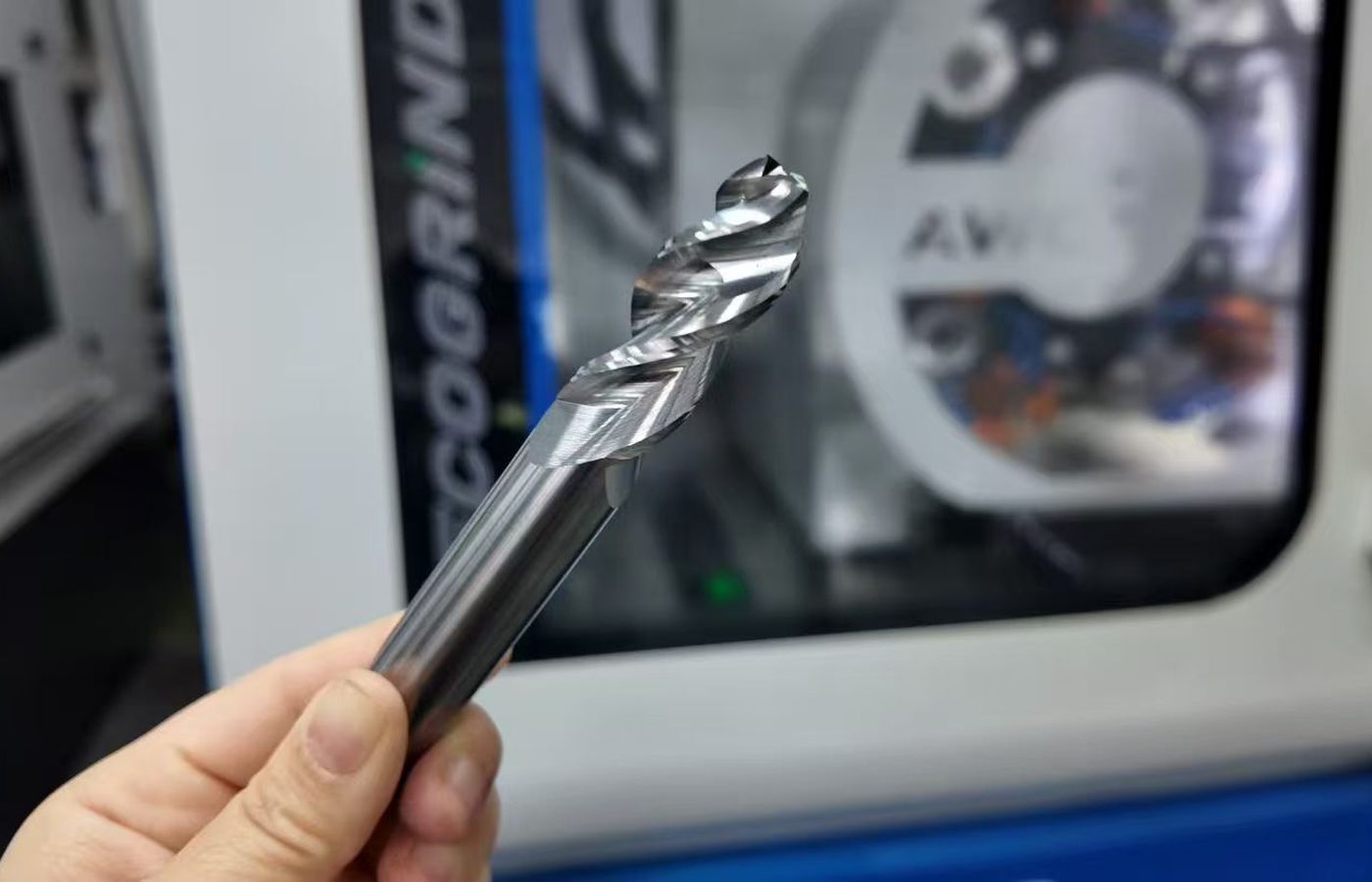
Steel and pre-hardened steel milling
GP, GPP and HPX families within their catalog boundaries.
MHB2 with TiAlSi within its below-65-HRC catalog boundary.
Submit a drawing when the required radius, reach or body geometry is not confirmed in the catalog.
Related geometries
Do not substitute a standard ball nose tool for a tapered ball nose requirement without checking the body profile and clearance. Do not substitute it for a corner radius tool when the part requires a flat bottom.
Confirmation
Exact grade, hardness, diameter and operating conditions still require confirmation for every route above.
Send the surface geometry, radius, reach and machining conditions together for review.
Send Ball Nose RequirementsThe Ball Nose End Mills catalog range contains 127 catalog codes across five families. Compare the available family and model-code choices in the table below.
| Series | Family | Catalog name | Exact code count | Catalog range |
|---|---|---|---|---|
| GP | GPB2 | General Processing 2-Flute Ball Nose End Mill | 38 | 1–20 mm |
| GP | GPB4 | General Processing 4-Flute Ball Nose End Mill | 38 | 1–20 mm |
| GPP | GPPB2 | Enhanced 2-Flute Ball Nose End Mill | 16 | 1–20 mm |
| HPX | HPBX2 | High Performance 2-Flute Ball Nose End Mill | 16 | 1–20 mm |
| MH | MHB2 | High Hardness 2-Flute Ball Nose End Mill | 19 | 1–20 mm |
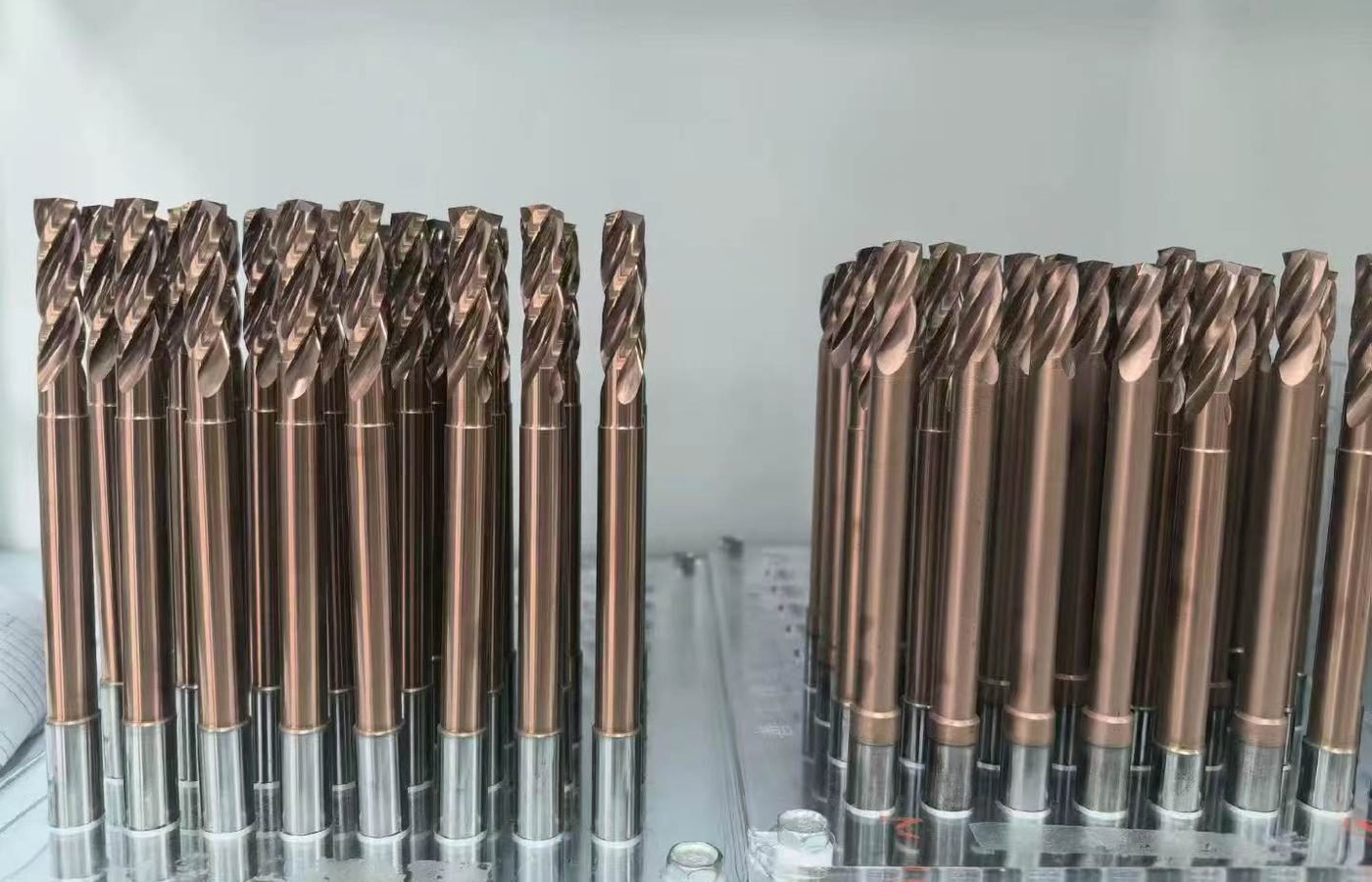
For the exact model, confirm the catalog code, cutting diameter, ball radius, cutting length, reach, shank diameter, overall length, flute count, coating and published material or hardness condition.
The Downloads page provides the current MSU carbide end mill catalog.
When an exact code or dimension cannot be confirmed from the catalog information, MSU checks the applicable catalog table before selection or quotation instead of inferring a value from a neighboring row.
Open the document hub for the current carbide end mill catalog and dimensional tables.
View the End Mill CatalogBall Nose End Mills are an MSU-manufactured product line. The catalog establishes the five family names, 127 model codes, dimensions and catalog conditions in this range.
The MSU Factory has Walter HELITRONIC MICRO equipment. MSU’s Quality Control facilities include a ZOLLER G3 measurement system. The selected ball radius, diameter, reach and other acceptance requirements are confirmed against the catalog row, order or approved drawing.
Product-specific profile tolerances, runout, surface-finish requirements and inspection items are confirmed for the selected model, order conditions or approved drawing.
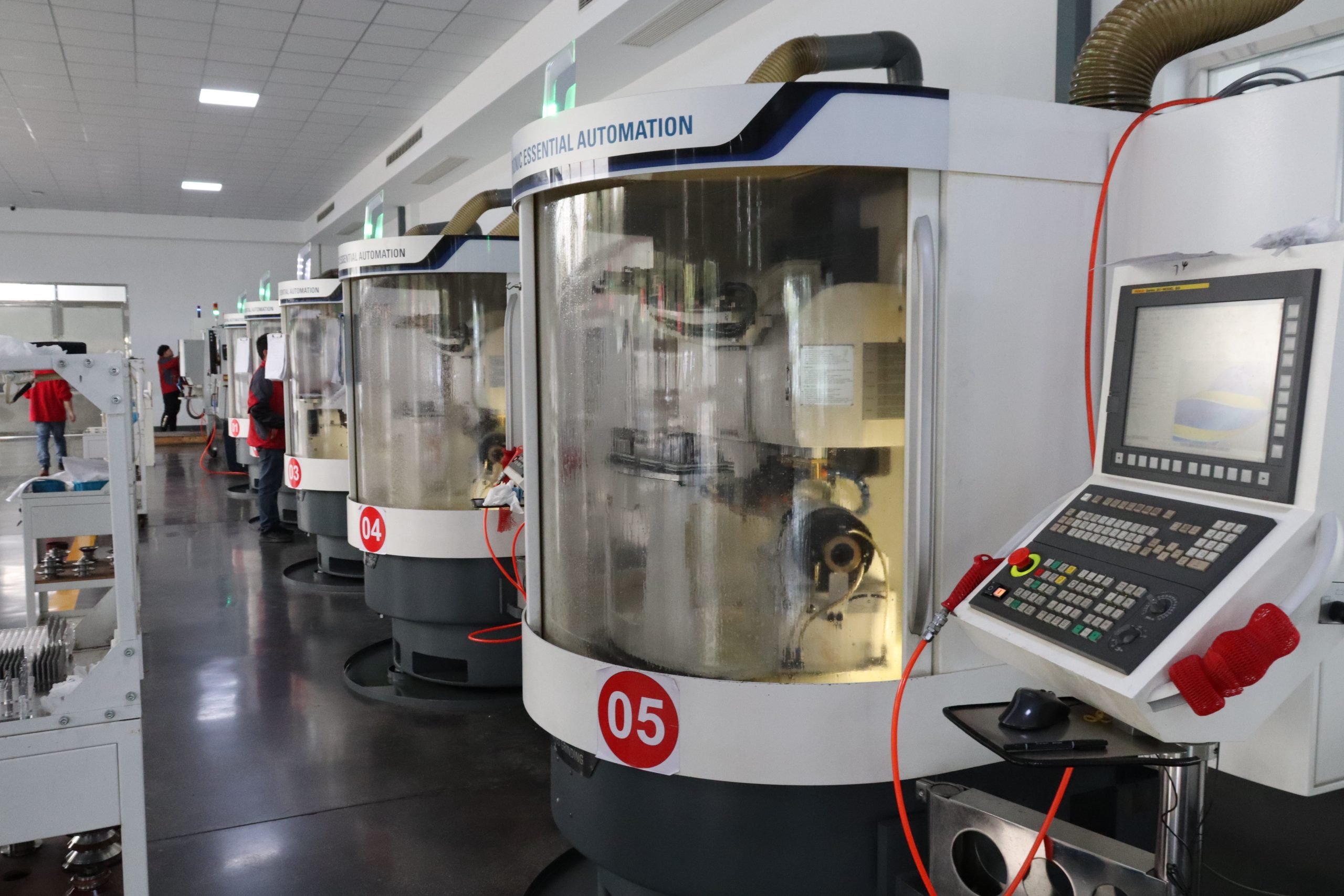
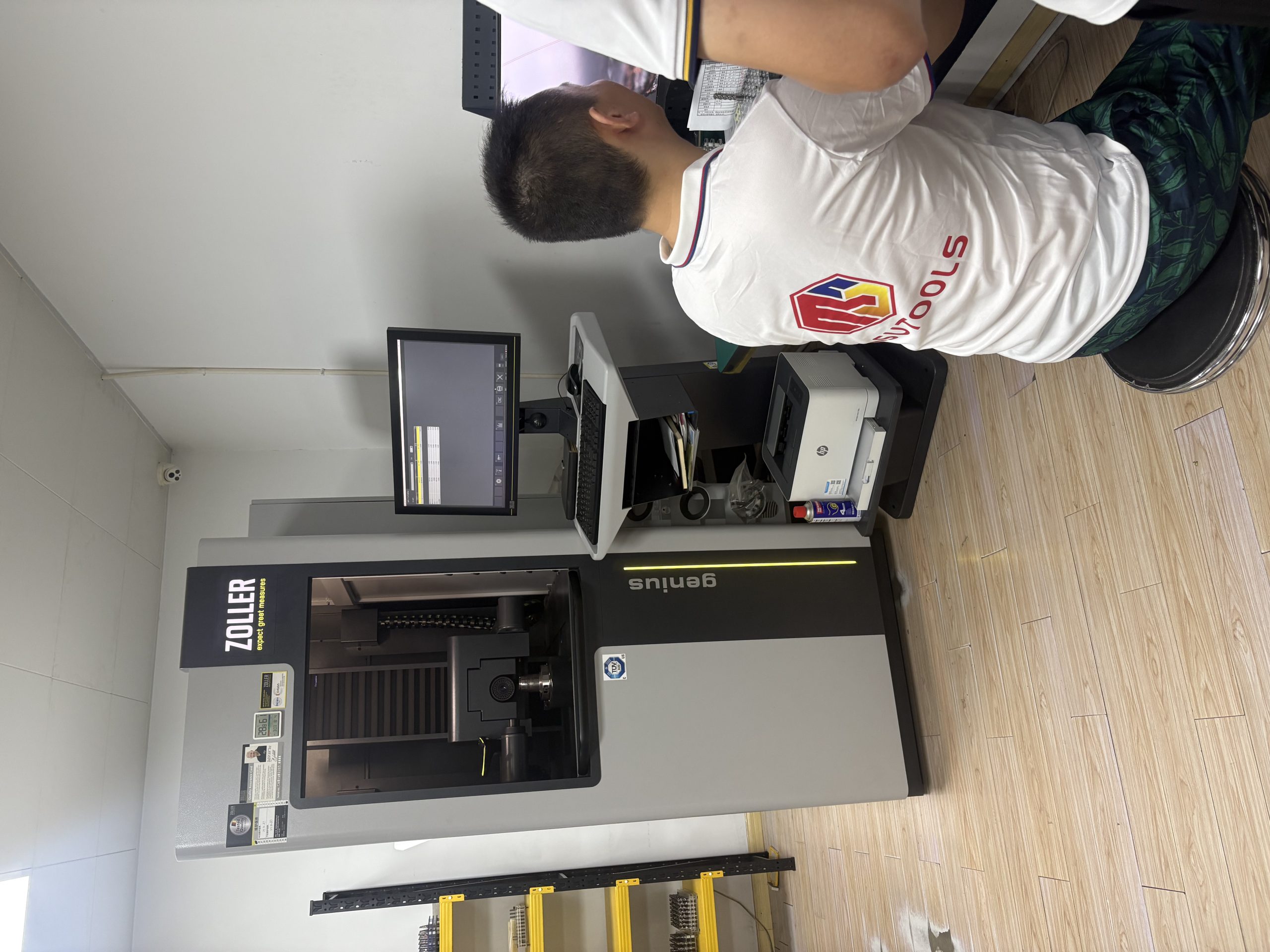
Review the documented quality workflow and how order-specific dimensions are confirmed.
Review Quality ControlSend the family or catalog code when known. Include the required diameter, ball radius, cutting length, reach, flute count, coating, workpiece and hardness, surface or operation, machine and holder, coolant, quantity, destination and target date.
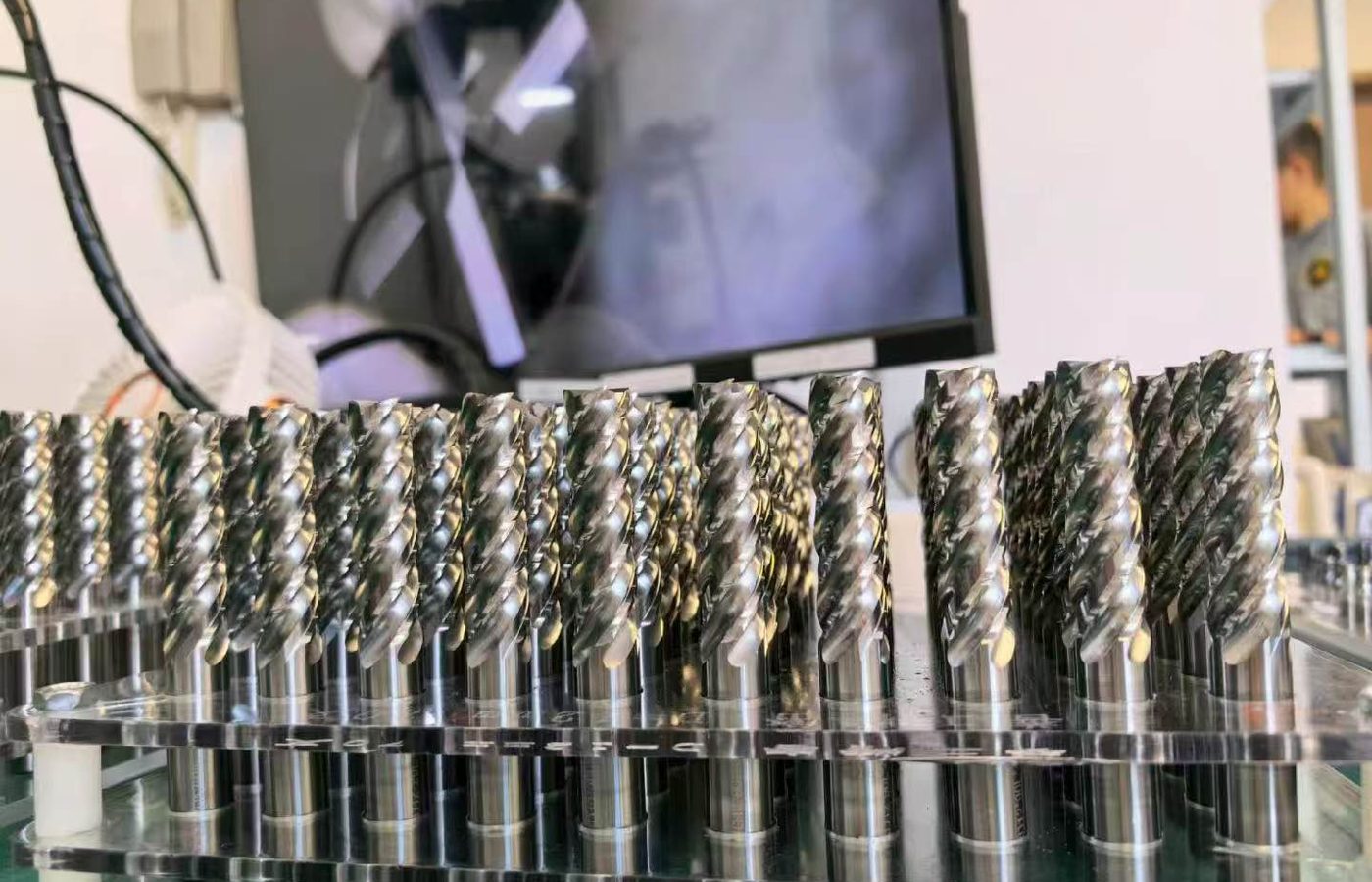
MOQ is normally 5–10 pieces, with the final quantity confirmed by product and quotation. Samples are charged according to the product, and sample freight is paid by the customer.
Completion of the whole order is guaranteed within 25–30 days from order placement.
T/T with deposit and balance is supported. The percentages and payment milestones are stated in the quotation or order. Quotations remain valid for 30 days.
EXW, FOB, CIF and DDP can be discussed and are confirmed by order, destination and feasibility. Packaging is confirmed in the quotation or order.
For an issue after receipt, submit it within 30 days and include applicable photos, batch number, measurement report or video. MSU reviews each issue against the supplied evidence and order record.
Contact Maria at maria@msutools.com or +86 13973369578 by phone or WhatsApp, or send the complete application details through the Contact page.
Use Ordering and Delivery for the shared commercial process and Downloads for the current catalog.
Review the shared ordering terms before sending the complete ball nose requirement.
Review Ordering and Delivery
Ball end mill is a shorter name for the same rounded-end geometry. The MSU range consists of non-micro, non-tapered ball nose families.
A ball nose end mill has a continuous spherical cutting profile. A corner radius end mill retains a flat cutting end and adds a defined radius at the tool corner.
The catalog range includes both 2-flute and 4-flute GP families, while GPP, HPX and MH ball nose families in this catalog are 2-flute. The final choice also depends on the workpiece, operation, engagement, reach, machine, holder and coolant.
MHB2 is the high-hardness ball nose family with TiAlSi and a catalog boundary below 65 HRC. Send the exact workpiece grade, actual hardness, diameter, radius and operation for confirmation.
No. Micro ball nose tools and tapered ball nose tools are separate product groups with their own geometry and catalog dimensions.
Yes. A drawing or complete radius, diameter, reach and body-geometry requirement can be submitted for feasibility review. The review does not guarantee every tolerance, substrate, coating or geometry combination.
Completion of the whole order is guaranteed within 25–30 days from order placement.