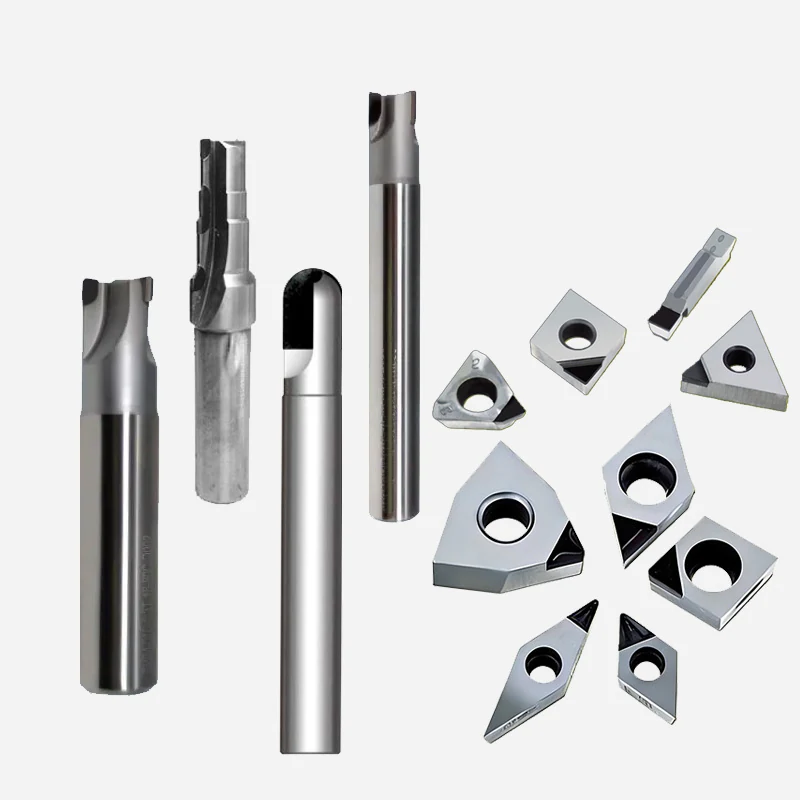
PCD Tools
PCD inserts, milling cutters, reamers and custom profiles, with separate MCD single-crystal options. Define the edge geometry and surface requirement for the non-ferrous or non-metallic workpiece.
Explore PCD Tools
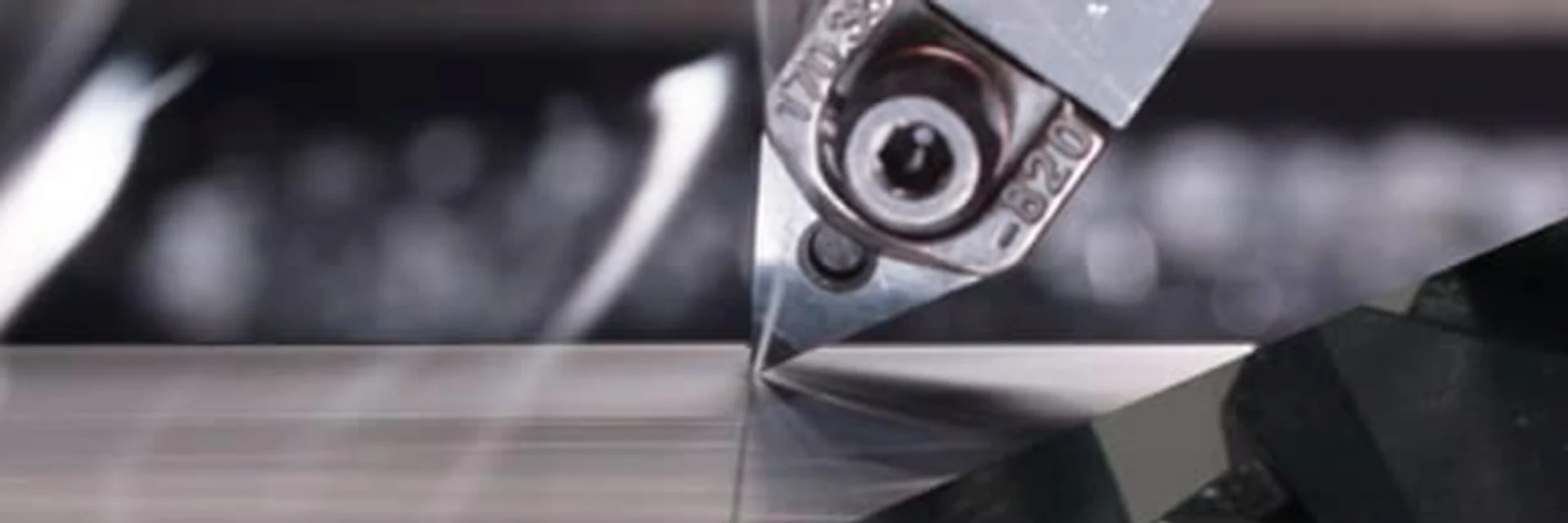
Choose PCD and CBN tools for the material and feature you need to machine. PCD options address non-ferrous and non-metallic workpieces; CBN and PCBN options include hardened-steel and cast-iron applications.
Find finishing inserts, milling cutters, reamers and drawing-based tools. For an existing process, start with the complete tool and holder references. For a new job, start with the material, part drawing and required result.
Send the full tool code, or email the part drawing, material and quantity.
Find a PCD or CBN ToolCutting-material choice comes before copying an insert shape. The workpiece composition, hardness and contact with the cutting edge help determine which material to consider.
When assessing a different cutting material, compare Carbide Inserts or Ceramic Cutting Tools using the same workpiece and cutting conditions.
PCD inserts, milling cutters, reamers and custom profiles, with separate MCD single-crystal options. Define the edge geometry and surface requirement for the non-ferrous or non-metallic workpiece.
Explore PCD Tools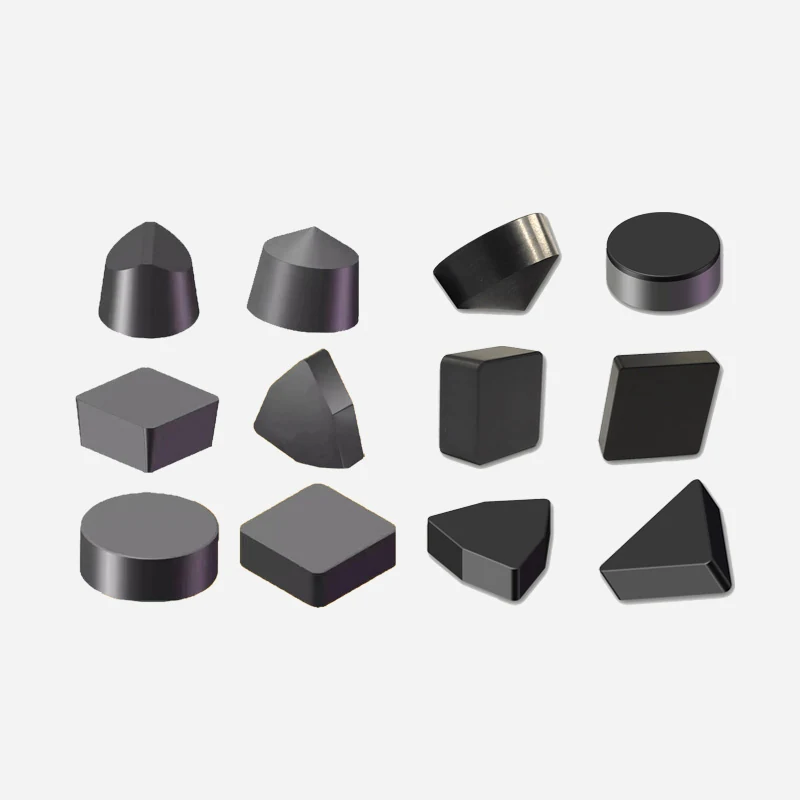
PCBN finishing and semi-finishing inserts and special tools. Compare workpiece hardness, interrupted contact, allowance and edge preparation for the required cut.
Explore CBN / PCBN ToolsCompare the cutting material with the workpiece and operation.
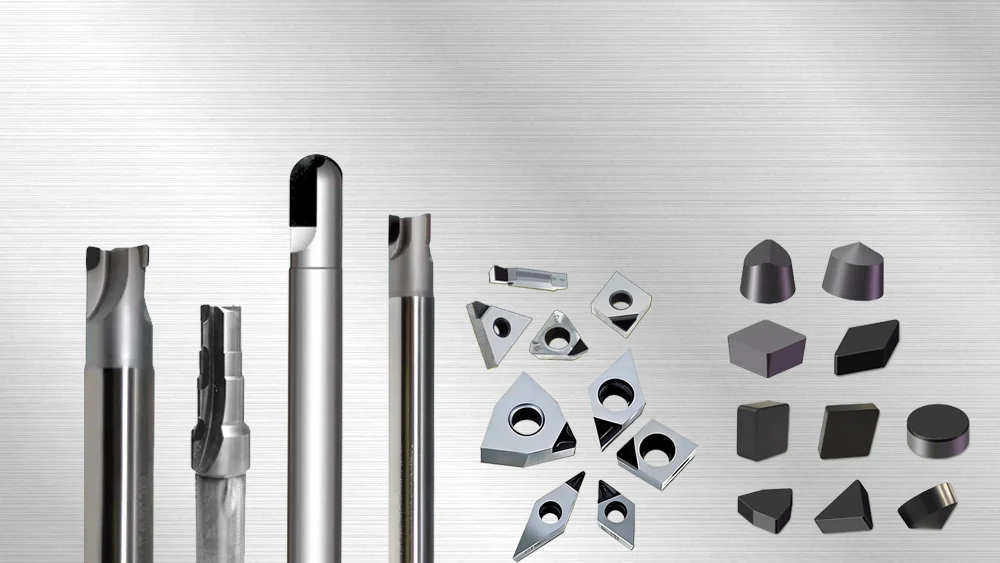
Compare Cutting MaterialsPCD and MCD are diamond materials with different structures. PCBN uses cubic boron nitride. Match the cutting material to the workpiece, then select its grade and edge geometry.
Diamond tools are generally selected for non-ferrous and non-metallic work. For hardened steel or cast iron, compare the appropriate CBN grade and edge with the actual material condition.
| Cutting material | Structure or tool options | Application to define | Product options |
|---|---|---|---|
| PCD | Polycrystalline diamond cutting edges | Non-ferrous or non-metallic workpiece; grade, geometry and required finish. | PCD Tools |
| MCD | Single-crystal diamond tools | Precise edge profile and surface requirement, with the complete tool drawing. | PCD Tools |
| CBN / PCBN | Cubic-boron-nitride cutting material; polycrystalline tooling options | Hardened steel or cast iron; hardness, allowance and interruptions. | CBN / PCBN Tools |
Cutting-edge details
A chamfer strengthens the edge through a small land; a hone rounds the edge. Specify their dimensions with the radius, usable cutting edges and cutting direction when matching an insert.
Keep the material condition and required finish with the tool choice.
Check the ApplicationA tool for a finished surface, a close-tolerance hole or an interrupted cut needs different geometry and inspection criteria. Describe that task before choosing a tool form.
If the cutting material is undecided
Start with the workpiece and operation. For a trial, identify what must improve: tool wear, edge stability, finish or dimensional consistency.
For a special profile or connection, use Custom Cutting Tools and email the dimensioned drawing with its revision.
Describe the part feature and the result you need to improve.
Discuss a Tool ApplicationFor an insert, check the seat and usable cutting edge. For a shank-mounted tool, check diameter, working length, projection and the machine-side connection.
Check shape, thickness, nose radius, fastening and the full edge designation before changing a tool in an established process.
Review PCD ToolsInclude stock allowance and interruptions. Compare the usable cutting edge and its support with the forces expected in the cut.
Review CBN / PCBN ToolsDefine the cutting profile, relief, working length and tolerances on a controlled drawing. State the surface requirement separately.
Review PCD ToolsMatch diameter, cutting-edge count, working length, shank and overall length. For a reamer, include pre-hole size and final-hole acceptance.
Check both the cutting-tool connection and the machine-side interface. Keep the exact holder model with the replacement tool.
Review ToolholdersCheck the tool drawing against your holder and working space.
View Tool DimensionsAgree the tool features to measure and the component features to test. Keep the drawing revision with any special profile or tolerance requirement.
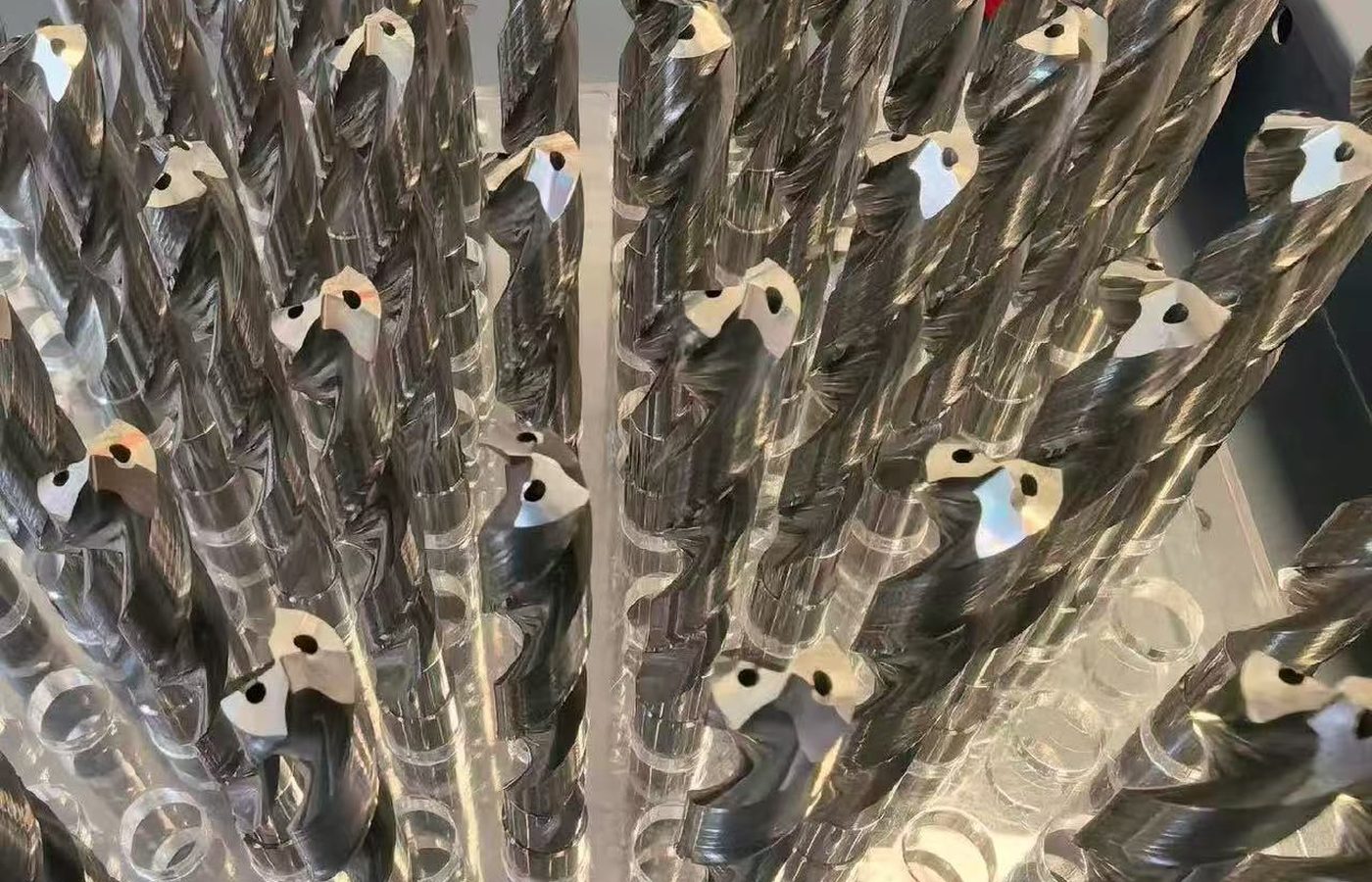
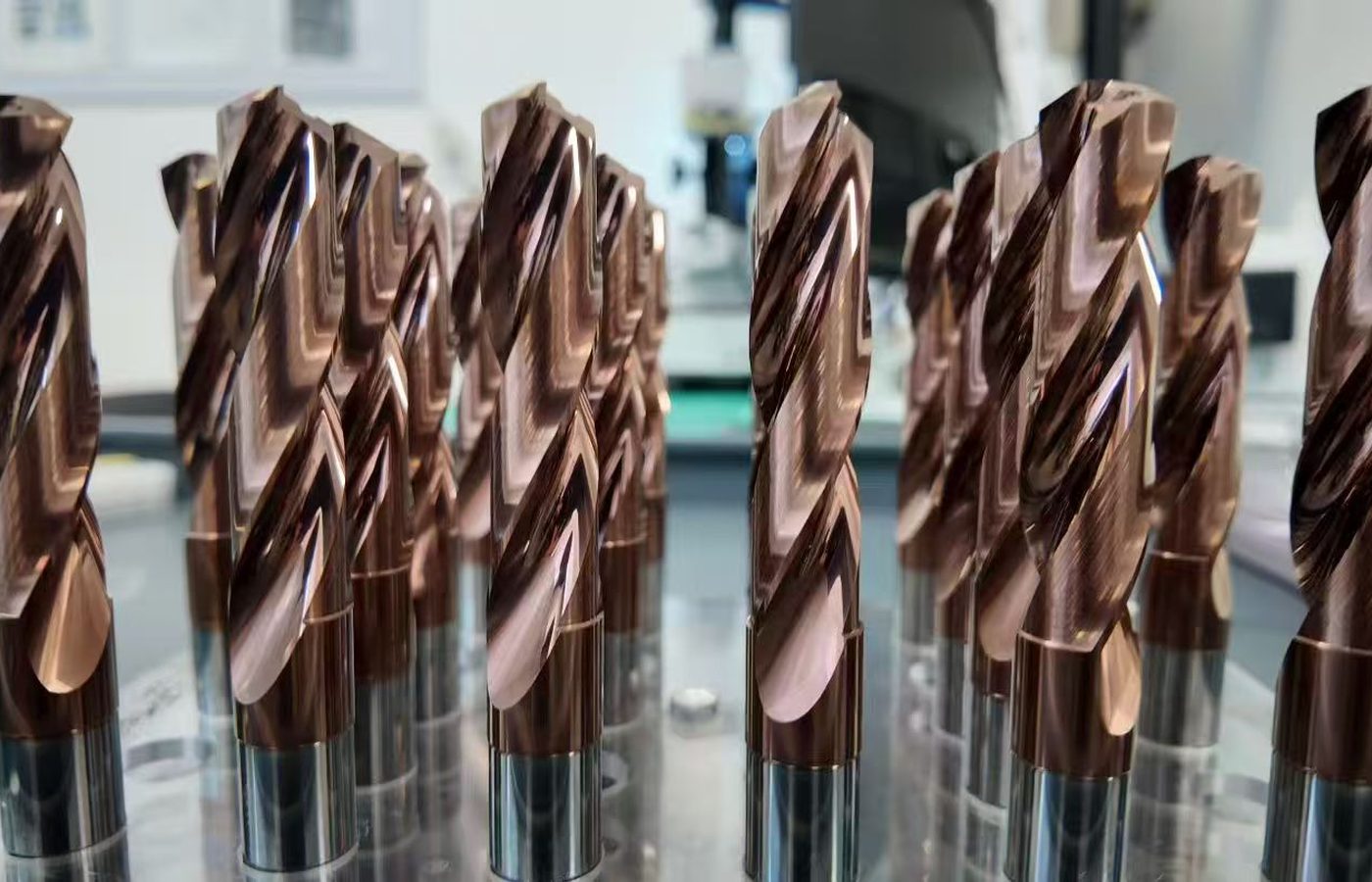
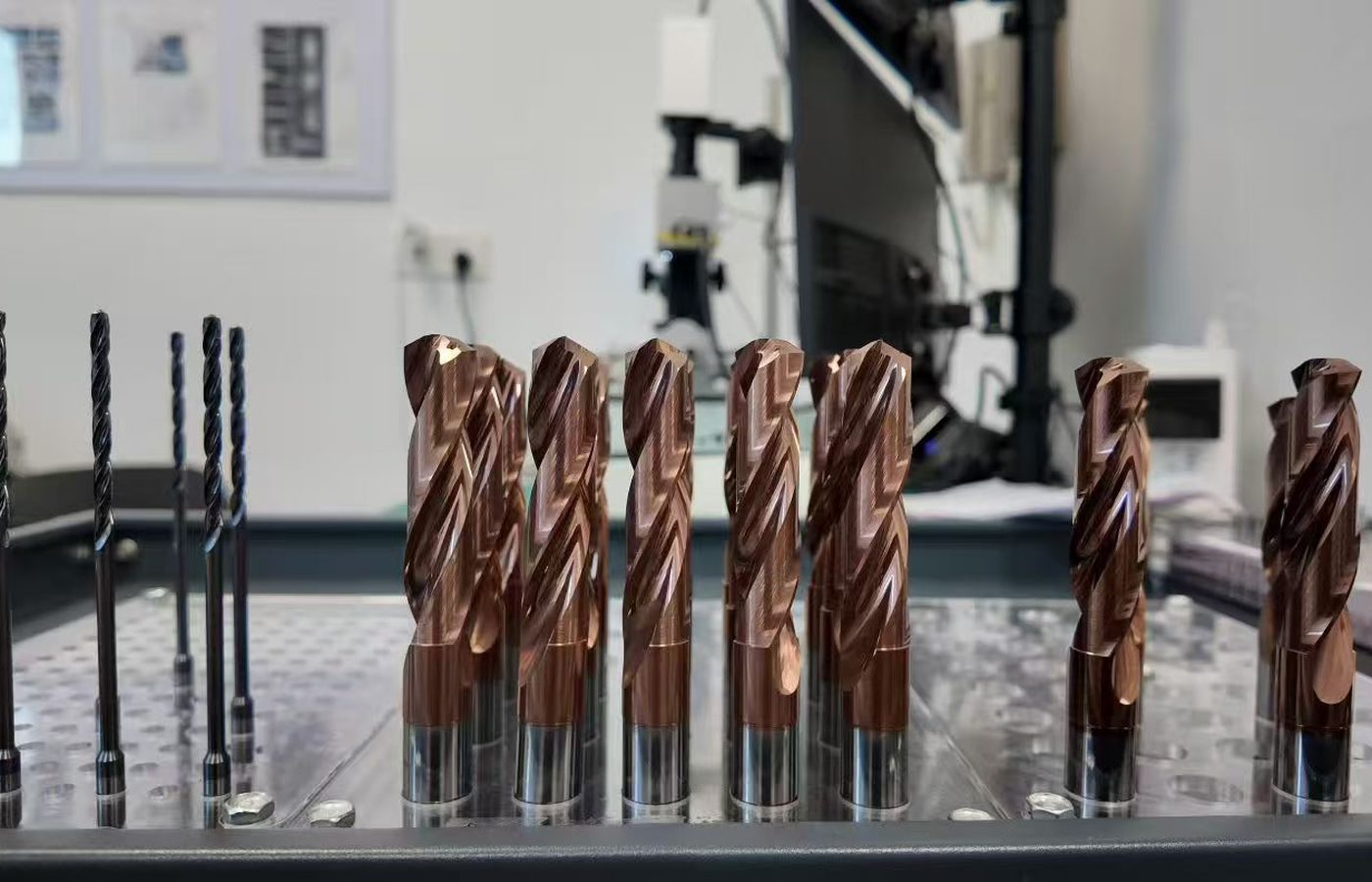
Specify cutting diameter or insert size, edge preparation, mounting dimensions and any special profile tolerances. For a custom tool, retain the approved drawing revision.
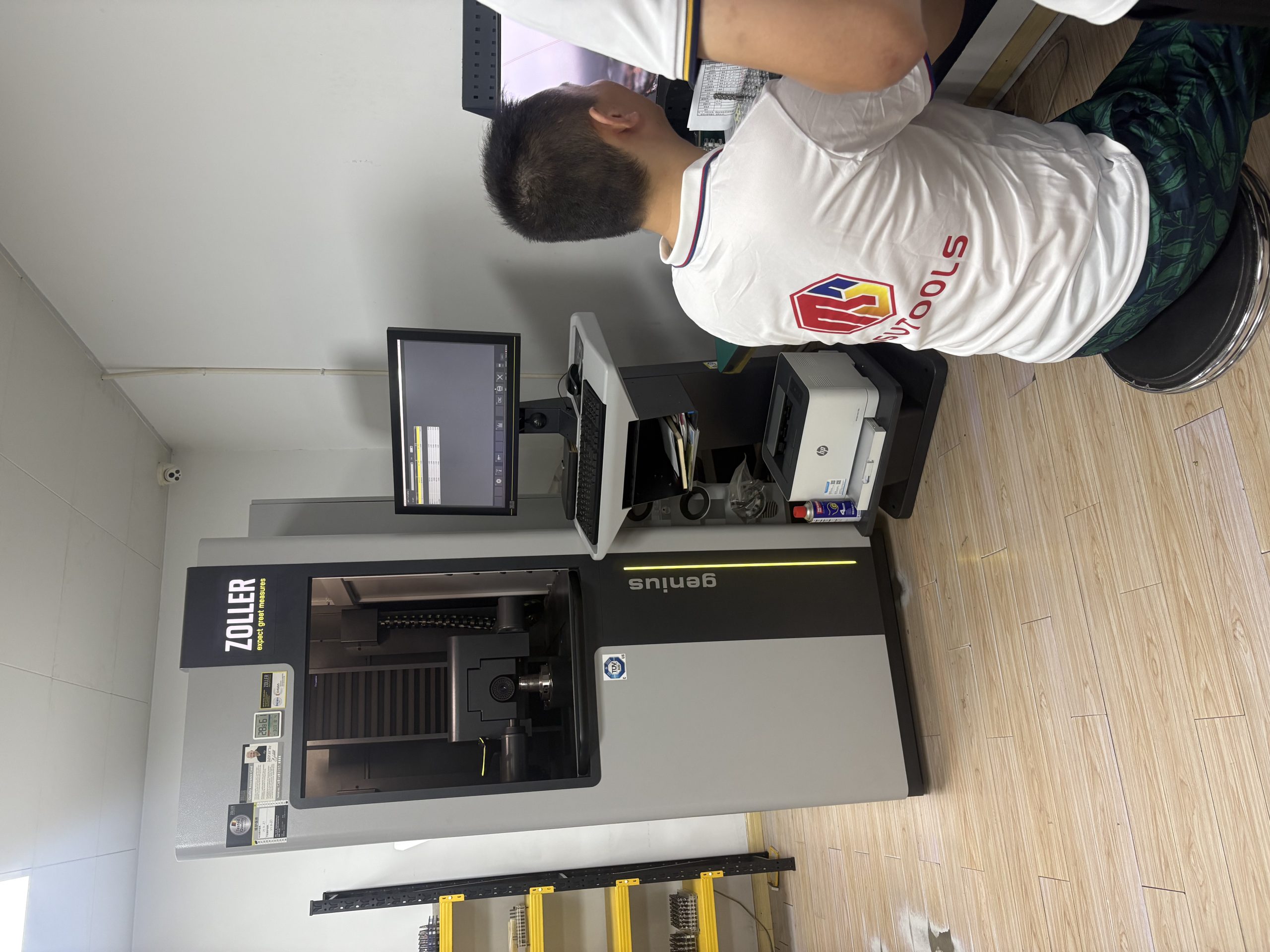
Specify any dimensional report, edge inspection or material identification record needed with the order. Agree the measured features and document scope before ordering.
For a machining trial, record the tool reference and cutting conditions with the measured part dimensions and surface finish. See Quality Control for available inspection information.
Identify critical dimensions, edge features and required reports.
View Inspection InformationFor a repeat order, send the complete tool reference and quantity. For a new job, email the drawing and describe the feature or machining problem. Ordering and Delivery covers MOQ, payment and shipping. Tool drawings are available in Downloads.
Send the complete tool reference and quantity, or email the drawing revision, critical dimensions, workpiece and operation.
MOQ is normally 5–10 pieces, confirmed for the selected product. Samples and sample freight are charged.
Availability, production and shipping timing are confirmed in the quotation. T/T deposit and balance terms are stated with the order.
Include the destination and required packaging. Delivery terms are agreed for the order.
If a tool or dimension is in question, retain the order reference, measurements and photos so the issue can be investigated.
Email Maria at maria@msutools.com or call/WhatsApp +86 13973369578. Send drawings and photos by email.
Confirm the selected tool or drawing revision with quantity and delivery.
View Ordering and DeliveryPCD is generally considered for non-ferrous and non-metallic workpieces. CBN and PCBN options include hardened steel and cast iron. Narrow the choice using the actual material, operation and edge-loading conditions.
PCD is polycrystalline diamond; MCD is single-crystal diamond. Specify the required material and edge geometry when replacing a tool or discussing a surface requirement.
Match the full size, thickness, mounting form and supported cutting edge to the holder specification. Keep the grade and edge preparation with the tool code.
Email the part and tool drawings, revision, working space, critical dimensions and quantity. Include the material and machining conditions needed to assess the proposed tool.
Record the same workpiece condition, cutting data and acceptance limit for each trial. Define whether life ends at a wear limit, size change, surface requirement or edge failure.
For a repeat order, send the full code and quantity or previous order number. For a new tool, send the drawing, workpiece and operation, then identify any required inspection records.