Choose the end form
Start with Carbide End Mills and choose the required end form. Check the complete code and its coating option in the current catalog.

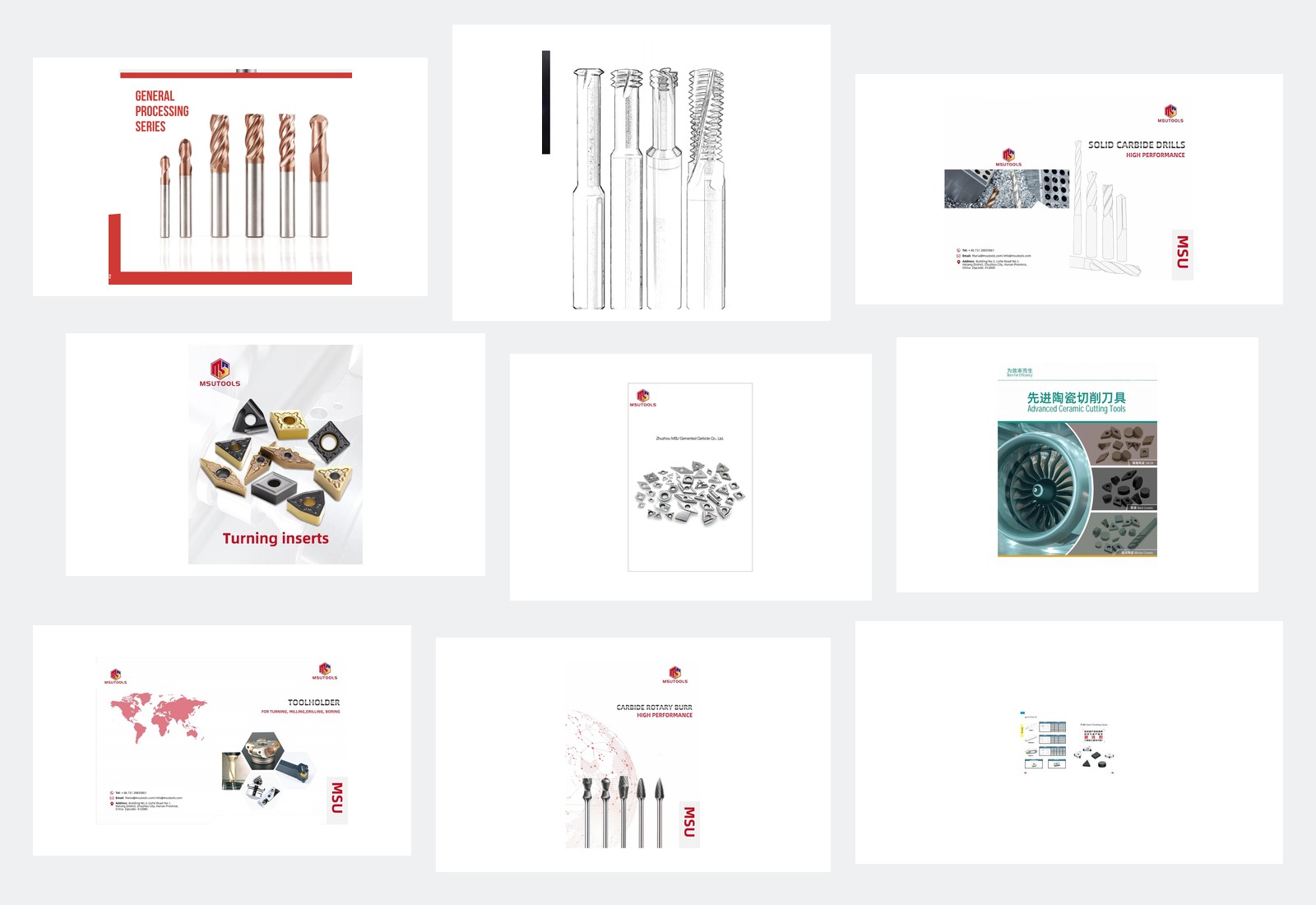
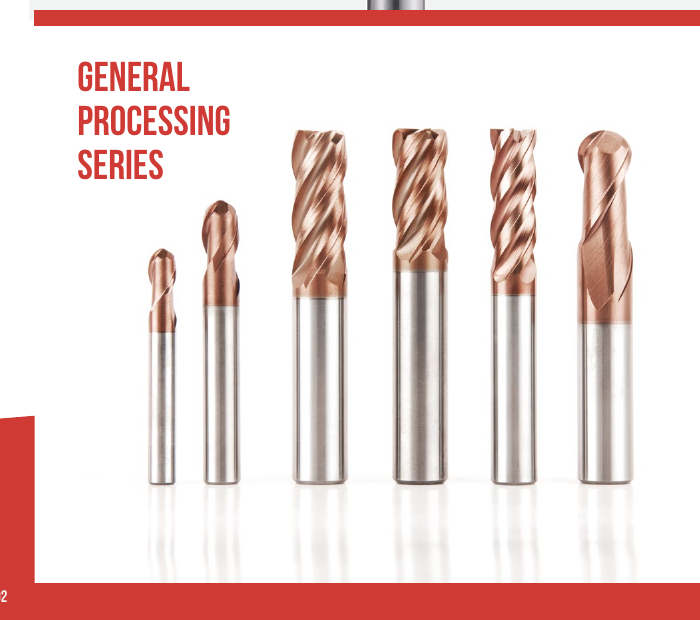
Compare an end mill coating by the workpiece material, heat and wear conditions of the cut. Check it with the geometry, flute count and engagement before choosing the complete product code.
Coatings can address wear, heat or material adhesion in different ways. The comparisons below explain general coating families; the exact MSU coating specification and material range are confirmed for the selected model.
Send the exact tool code and workpiece conditions when a coating choice needs review.
Ask a Coating QuestionUse this resource to organize a coating question before selecting a carbide end mill.
MSU catalogs may list AlCr-based, TiAlSi, ZrN, DLC or an uncoated option. Check the coating name, tool series and material range for the complete code before requesting a quotation.
Carbide end mill coatings are compared as documented catalog options. Confirm the coating together with the tool family, workpiece material and operating conditions.
Open the product page when the exact family and coating field are known.
View Carbide End MillsUse this order when reviewing a coating field.
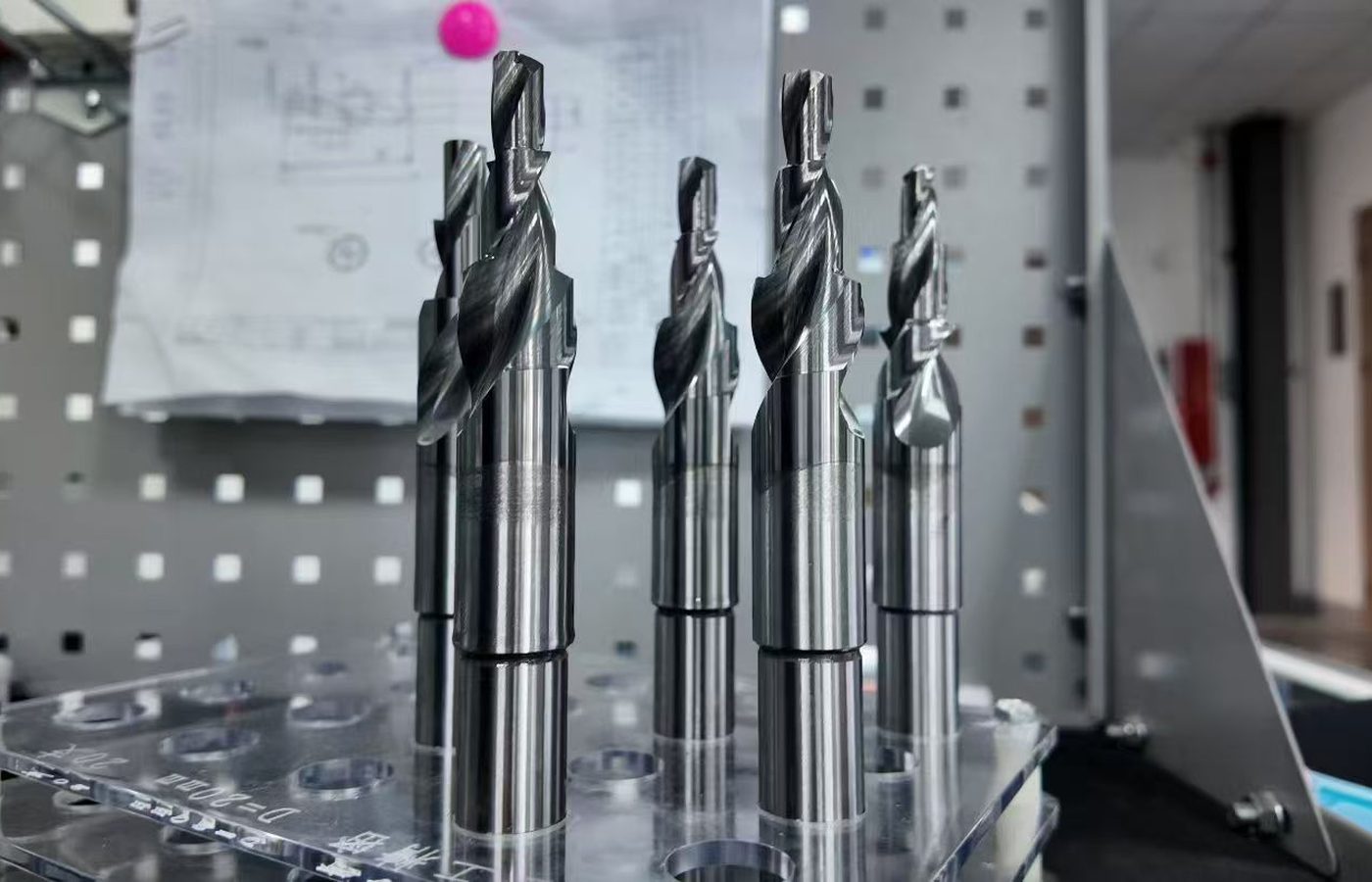
Describe the problem you need to address: abrasive wear, heat at the edge, built-up material or chip clearance. Compare the coating with the geometry and coolant conditions of the selected tool.
Record the material, operation and exact catalog field before comparing coating options.
Review Coating Selection FactorsCompare general coating behavior below, then confirm the specification and application range for the chosen MSU model.
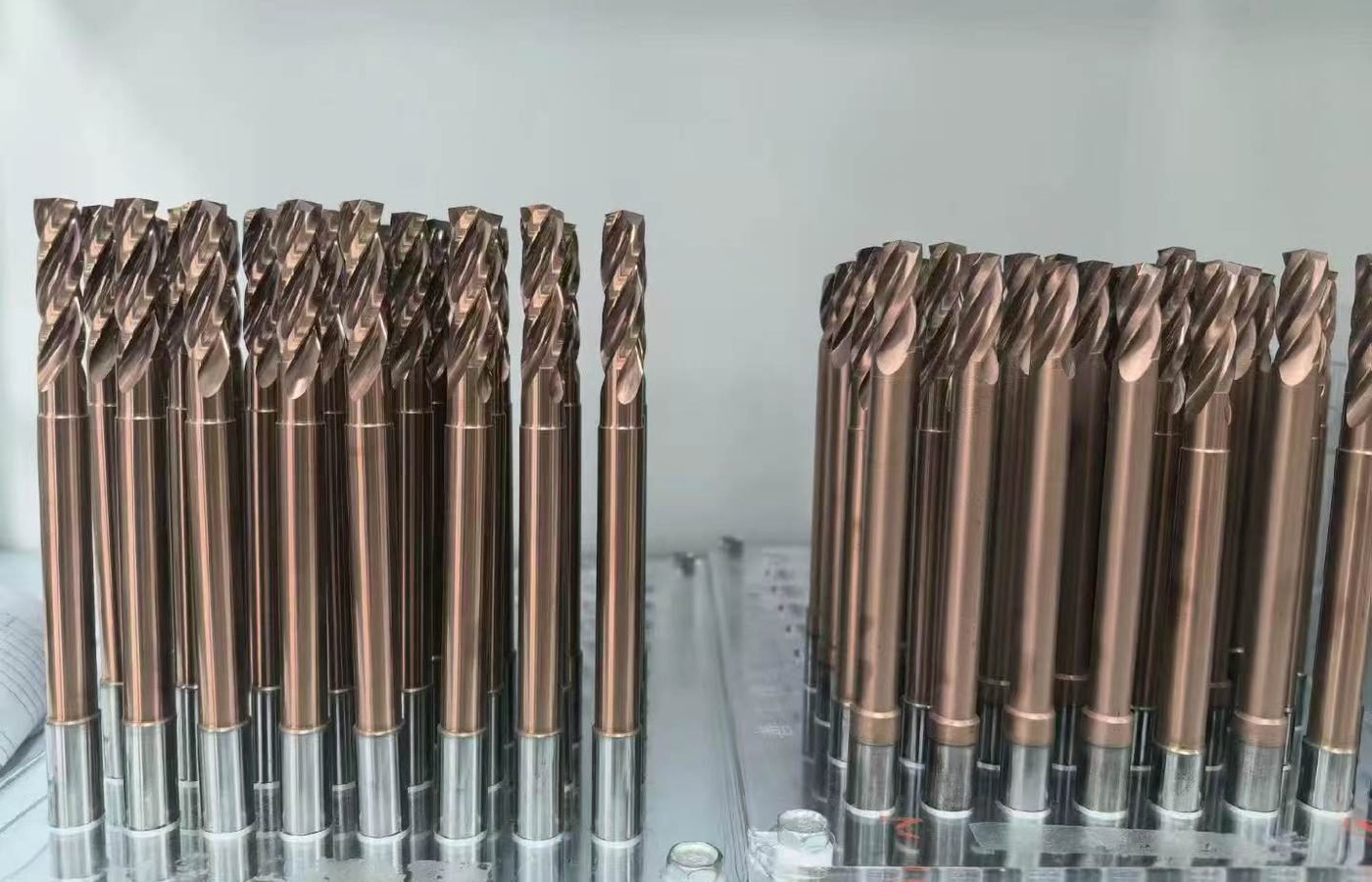
AlCrN coatings use aluminum and chromium nitride to resist abrasive and adhesive wear. AlCr-based options merit comparison for demanding milling cuts, with heat and coolant conditions checked for the exact specification.
Confirm the exact AlCr-based specification, workpiece hardness, engagement and coolant conditions for the selected MSU code.
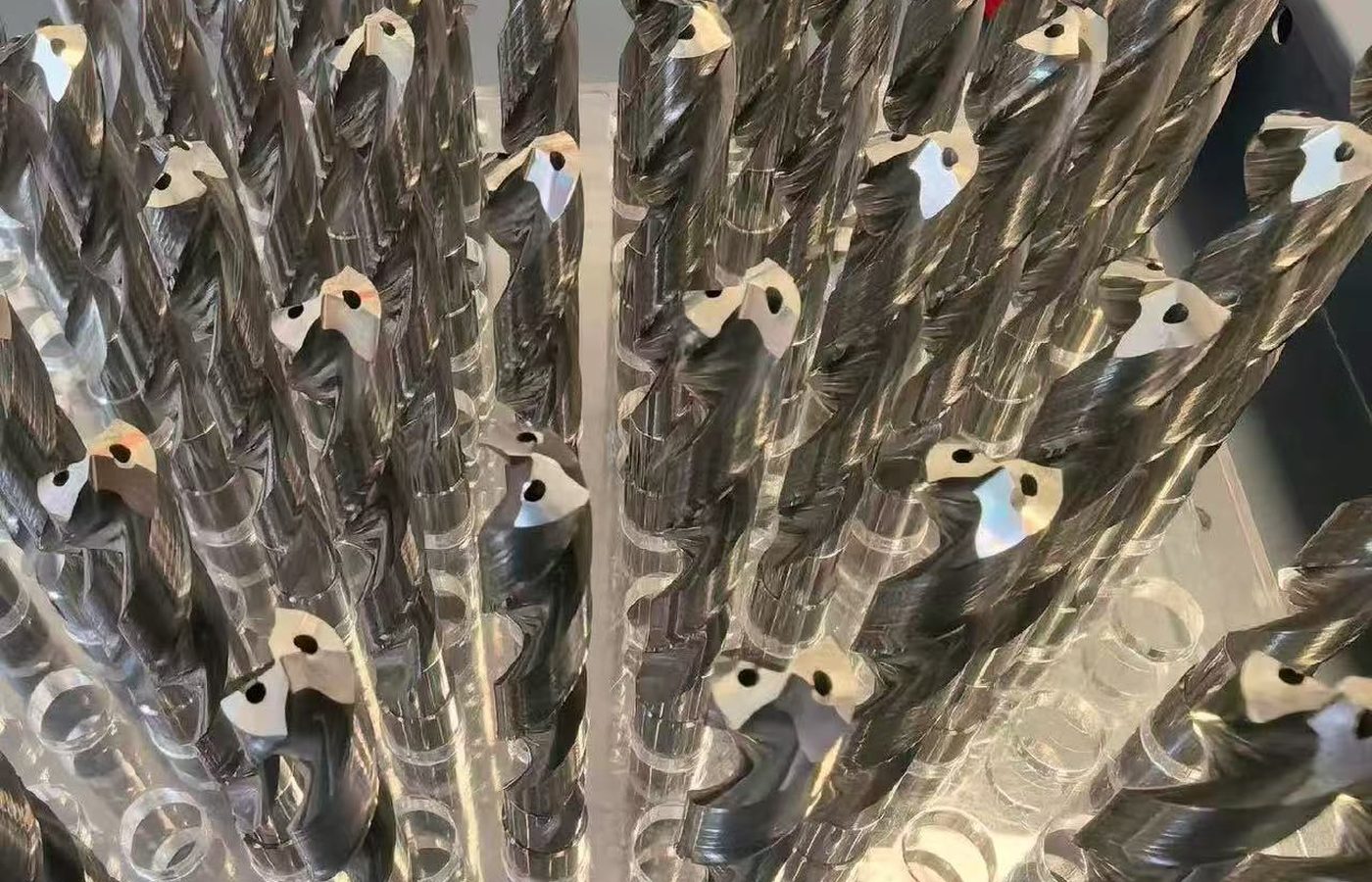
Silicon-containing TiAlSiN-type coatings can use a nanocomposite structure with hard nitride grains in a silicon-nitride matrix. Such coating systems are used in hard milling and other demanding cutting applications.
TiAlSi is the catalog label. Ask MSU to confirm its exact specification and application range before selecting it for a material or hardness condition.
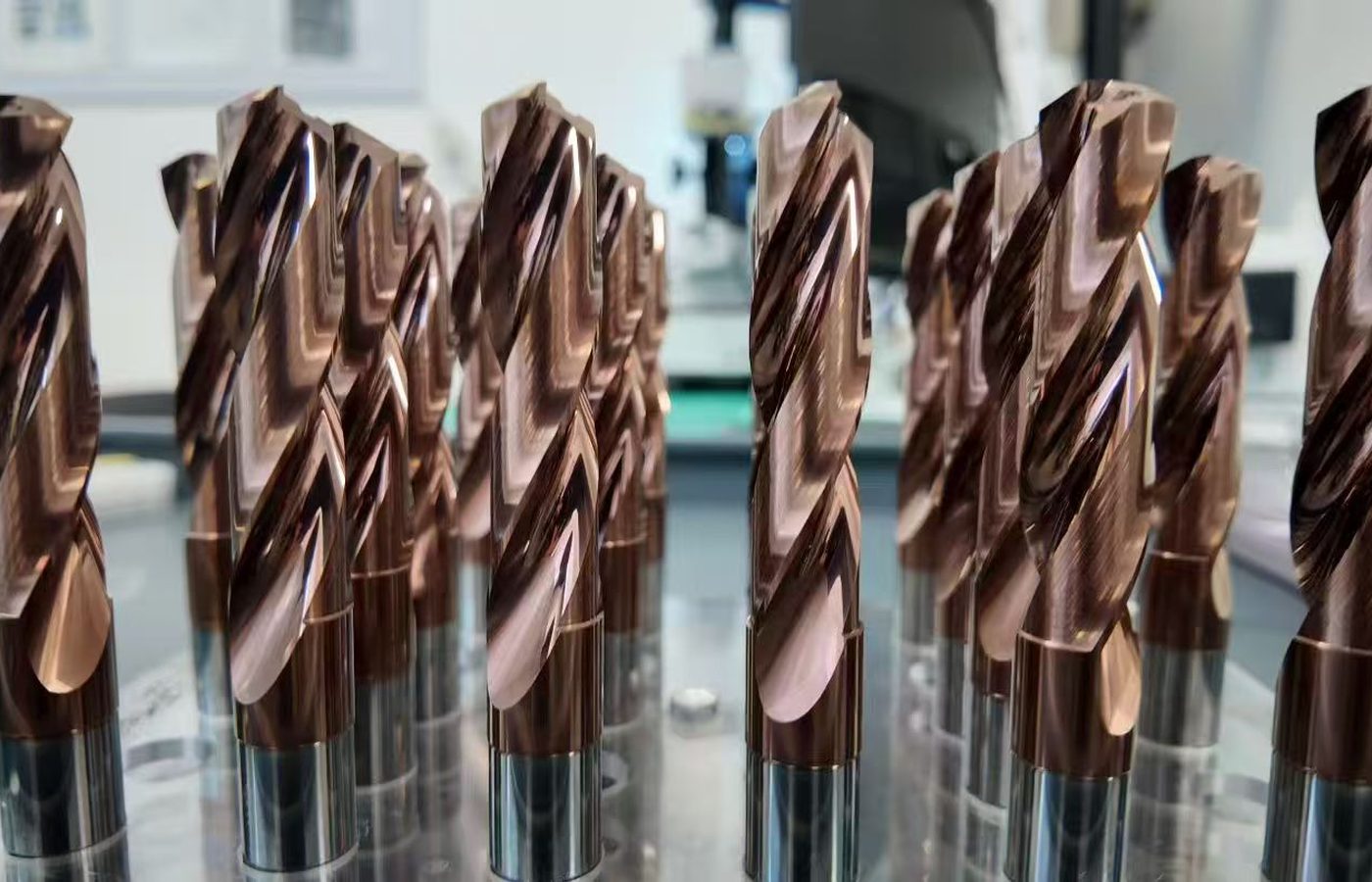
ZrN is used in non-ferrous cutting and can address built-up edge in suitable aluminum applications. Compare it when material sticking is a concern, alongside edge sharpness and chip clearance.
Confirm the alloy, exact ZrN-coated model, geometry and coolant method. A coating name alone does not establish a finish or tool-life result.
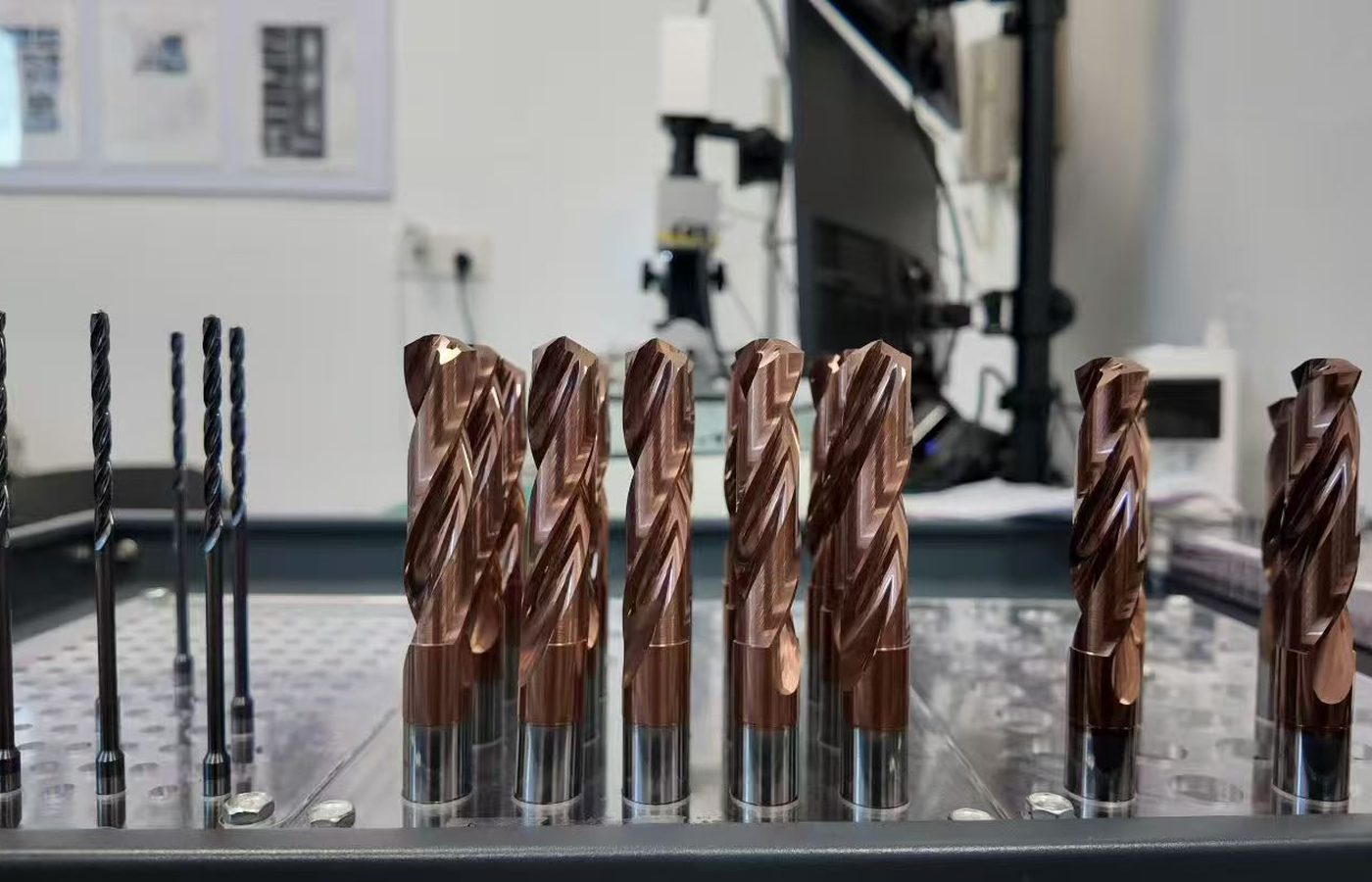
DLC means diamond-like carbon. Coatings in this family reduce friction and wear and are used in selected aluminum and non-ferrous machining applications.
Confirm the DLC type, tool geometry and cutting-temperature conditions for the exact model; different carbon coatings have different application limits.
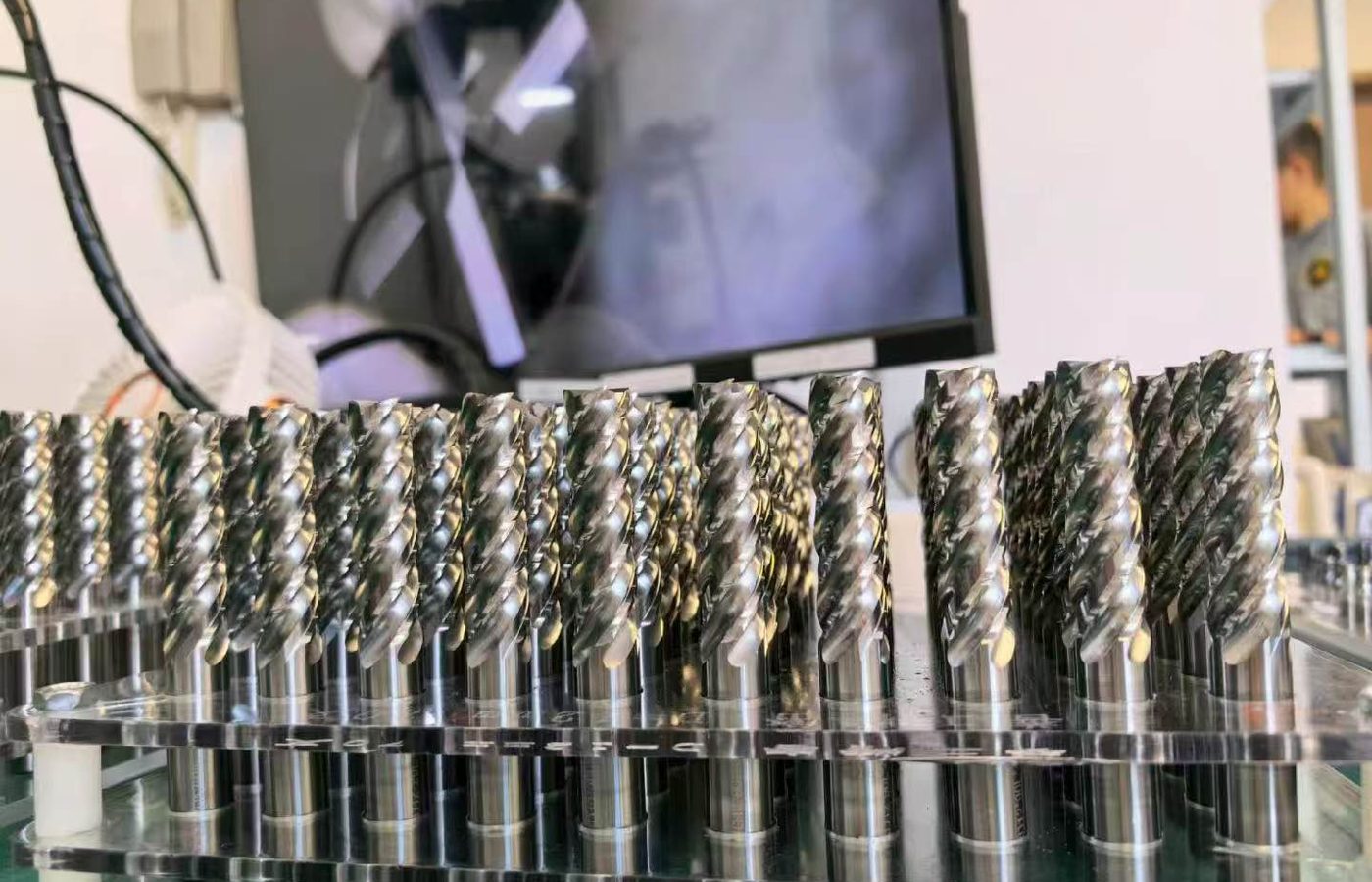
An uncoated tool has no added coating layer. Compare the available edge geometry, surface preparation and material range of the exact model.
Check the alloy, chip-clearance method and cutting data. Uncoated availability and suitability depend on the selected code and operation.
Check the catalog coating option for the selected code before requesting a quotation.
Check Current Catalog Coating FieldsChoose the end form and material range, then confirm the available coating for the model.
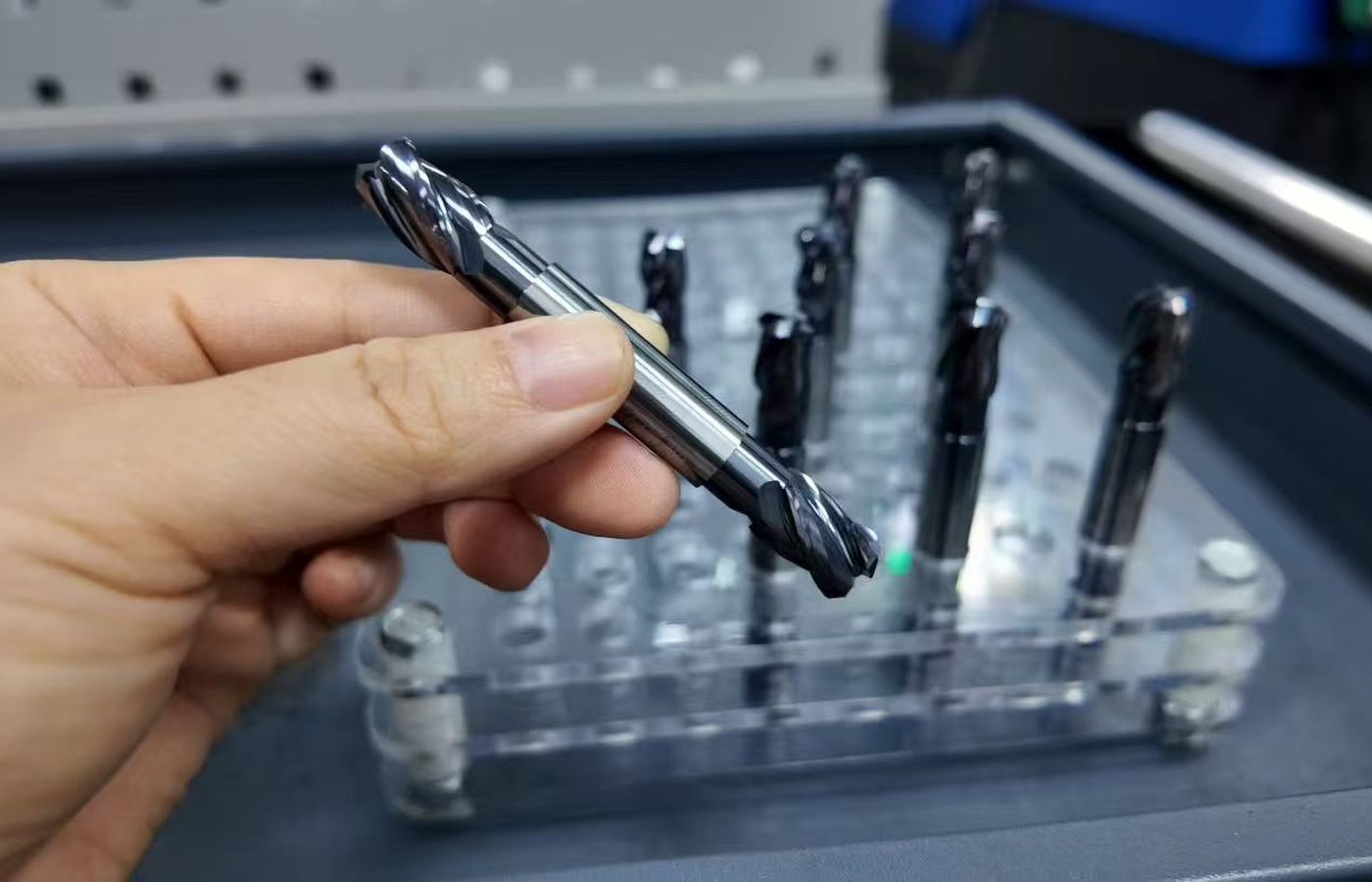
Start with Carbide End Mills and choose the required end form. Check the complete code and its coating option in the current catalog.
Use the material guides below to check tools for steel, hardened steel, stainless steel, titanium alloy or aluminum. Match the stated alloy, hardness, operation and tool series to your cutting conditions.
If the code, material note or ordering option is unclear, include a catalog screenshot or complete product code in the technical inquiry. Do not select from a coating name alone.
Send the coating question with the complete catalog reference attached.
Compare End Mill TypesUse the product catalog to identify available coatings and ask for the specification needed for your application.
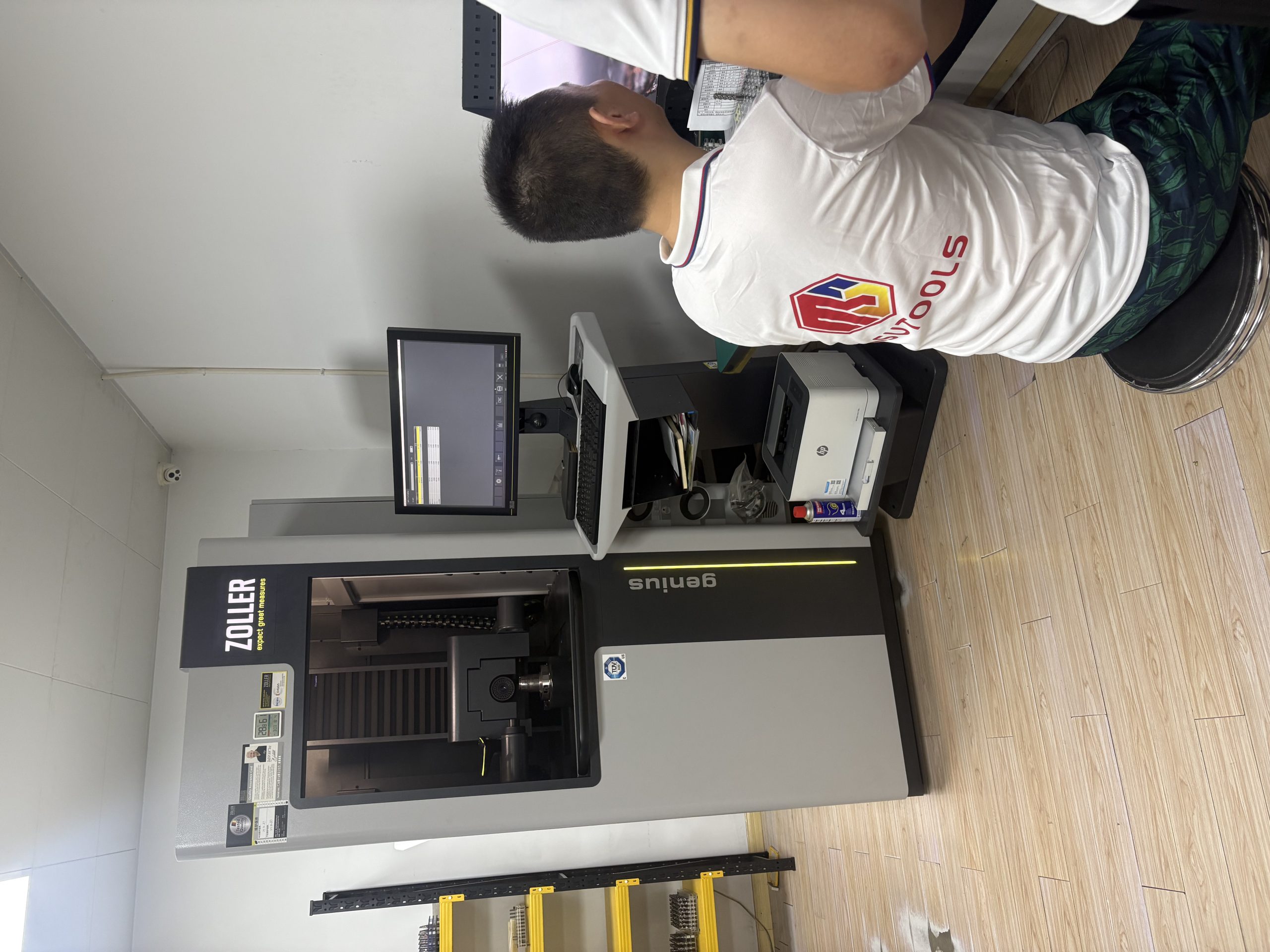
Match the coating label and material range to the exact MSU code in the current catalog. For detailed composition, coating structure or temperature limits, request the available technical data sheet for that model.
Confirm material grade, hardness, engagement and coolant method before a trial. Record edge wear, built-up material, part dimensions and finish so a coating change can be assessed under the same conditions.
Find current catalogs in Downloads and information about inspection of MSU-manufactured products in Quality Control. Specify any coating or inspection-document requirement in your inquiry.
Send the code and cutting conditions when requesting coating details.
View Product DocumentsSend the exact code or tool series, workpiece material, operation and machine conditions when you need a coating recommendation.
Name, company, business email, country or region, product family or code, workpiece material, operation and question.
Drawing, catalog screenshot, coating or uncoated preference, diameter, reach, flute count, machine, holder, overhang, workholding, coolant or air method, current speed and feed, observed issue, quantity, target date, phone and WhatsApp.
Include the relevant catalog page, tool marking and application or measurement images. Remove confidential information that is not needed for review.
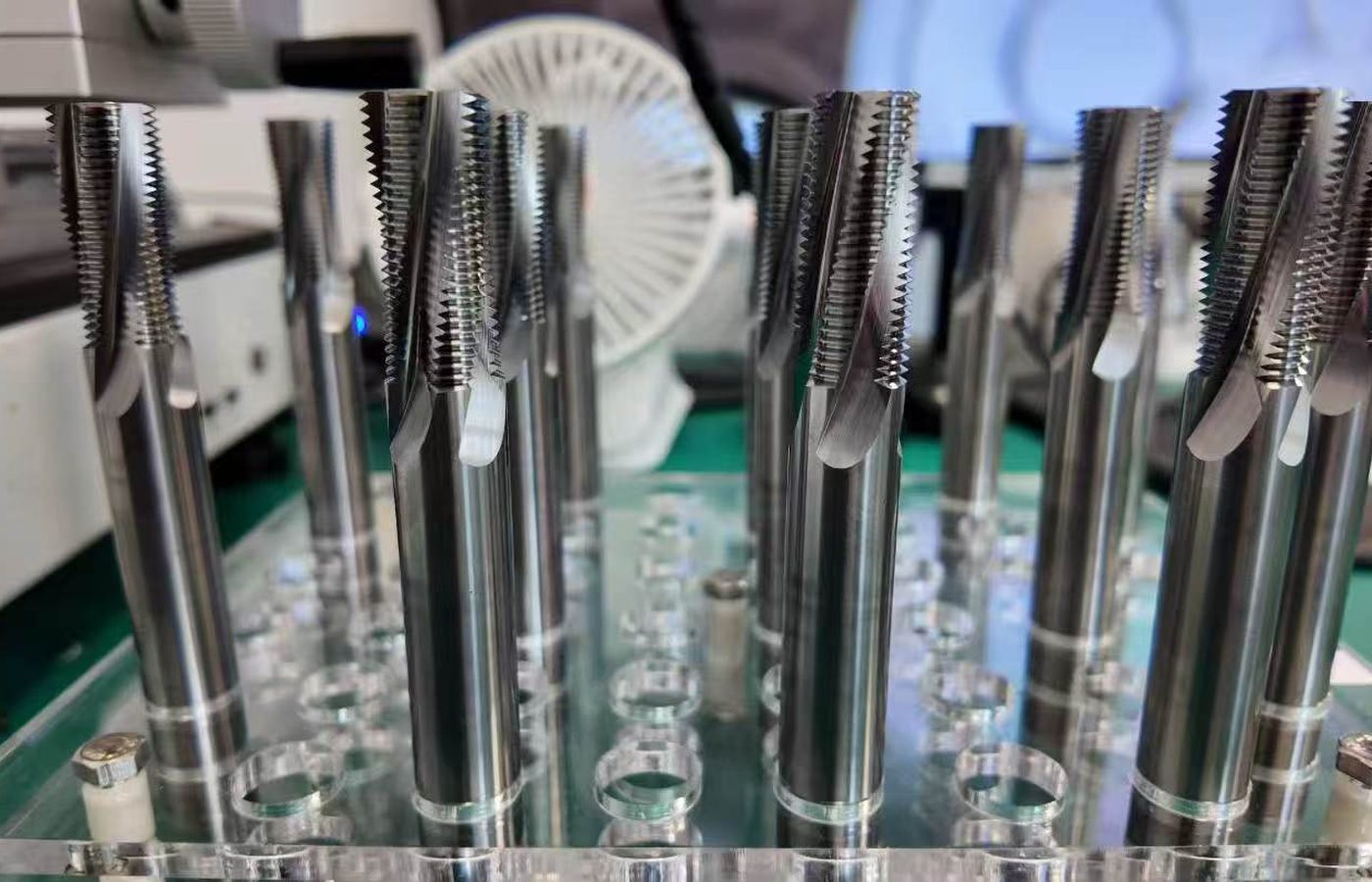
Send the coating question with the complete code and material conditions.
Contact MSUIt compares general coating behavior and helps you match the available MSU coating option to the tool model, material and cutting conditions.
Catalog labels may include AlCr-based, TiAlSi, ZrN, DLC or an uncoated option. The exact family mapping and material note must be checked in the current catalog.
Exact composition and coating structure vary by specification. Request the available technical data sheet for the selected MSU code when those details affect your application.
Choose by the material and wear problem, then check the geometry, engagement and coolant conditions. Confirm the available coating on the complete MSU code.
Tool life and finish depend on the coating, geometry, workpiece and cutting conditions together. Assess the selected model in a trial with defined acceptance requirements.
Use the current catalog in Downloads and the product page for the exact end form and family.
Send the complete code or catalog screenshot, workpiece material, operation, machine and the result or concern you need reviewed.