Carbide considerations
Carbide is used in rigid machines with controlled feed and suitable spindle speed. Match the exact model’s material range and geometry to the cut.

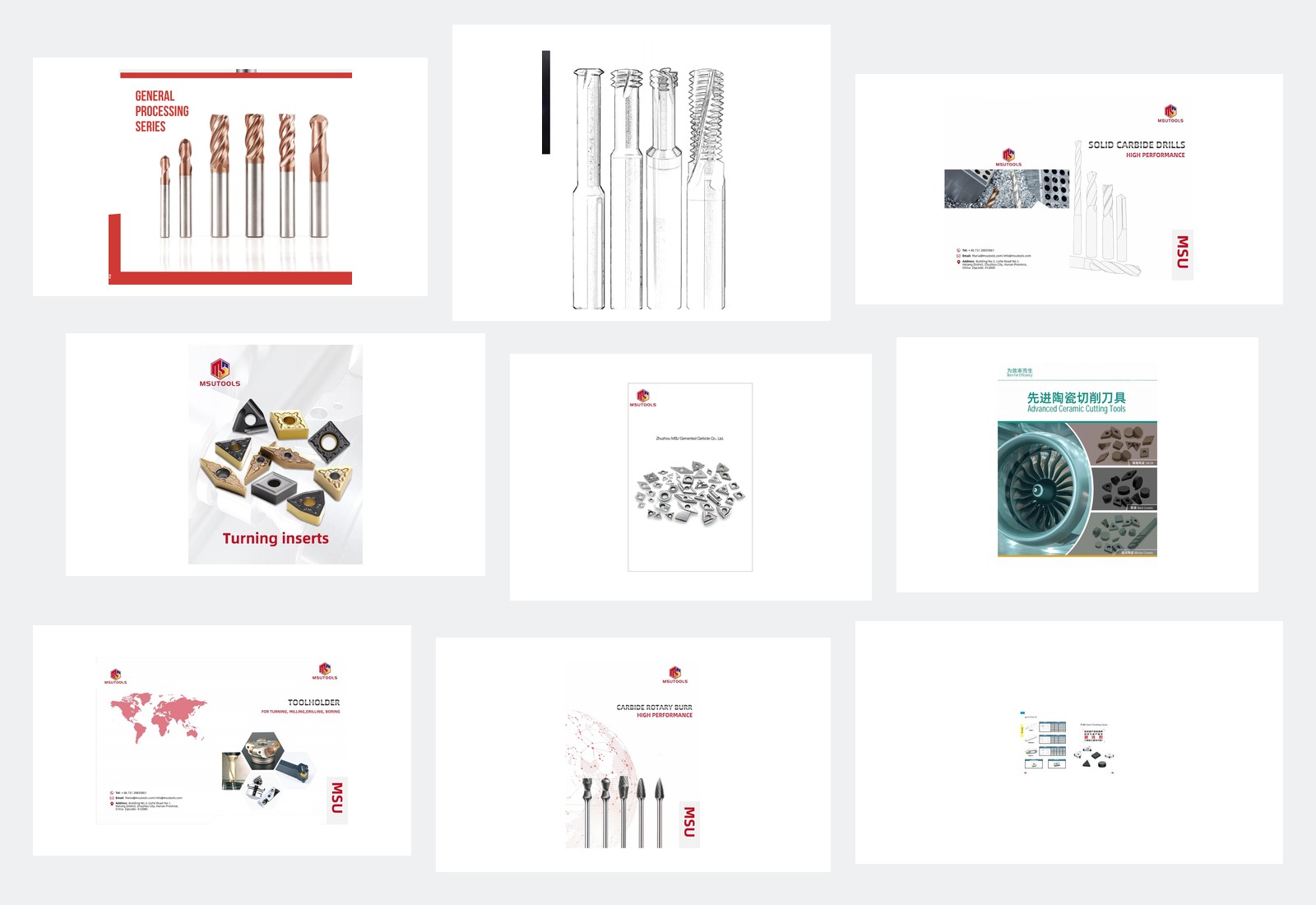
Compare carbide and HSS end mills by the workpiece, cut and machine setup. Carbide selection needs stable cutting conditions; HSS variants can be useful when toughness and resistance to edge chipping take priority.
MSU supplies Carbide End Mills. HSS is discussed here to help compare tool materials. Confirm the exact grade, geometry and cutting conditions when evaluating a change from an existing HSS tool.
Send the material, operation and machine conditions for a tool-material comparison.
Ask a Material Selection QuestionUse this resource when a carbide or HSS end mill question needs a condition-based comparison.
Use this comparison to assess tool material for the same part and cut, then select the required MSU carbide end-mill type and model.
Compare the same material, operation, feature and acceptance requirements. Include machine rigidity, spindle range, holder, overhang, coolant, chip clearance and the current tool’s wear or breakage pattern.
HSS is the comparison material in this guide. MSU’s cataloged end-mill range is carbide.
Choose the required end form and model in Carbide End Mills.
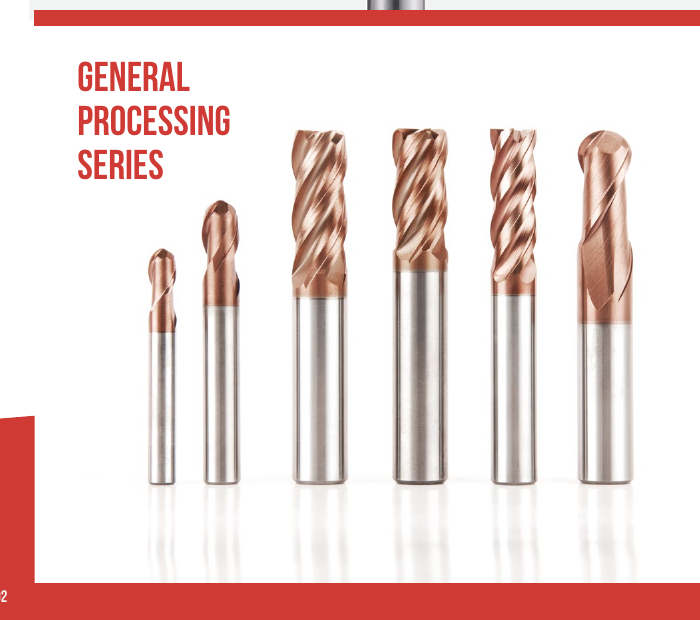
Compare available carbide models for the required material and operation.
View Carbide End MillsUse the same job and machine inputs before comparing either material route.
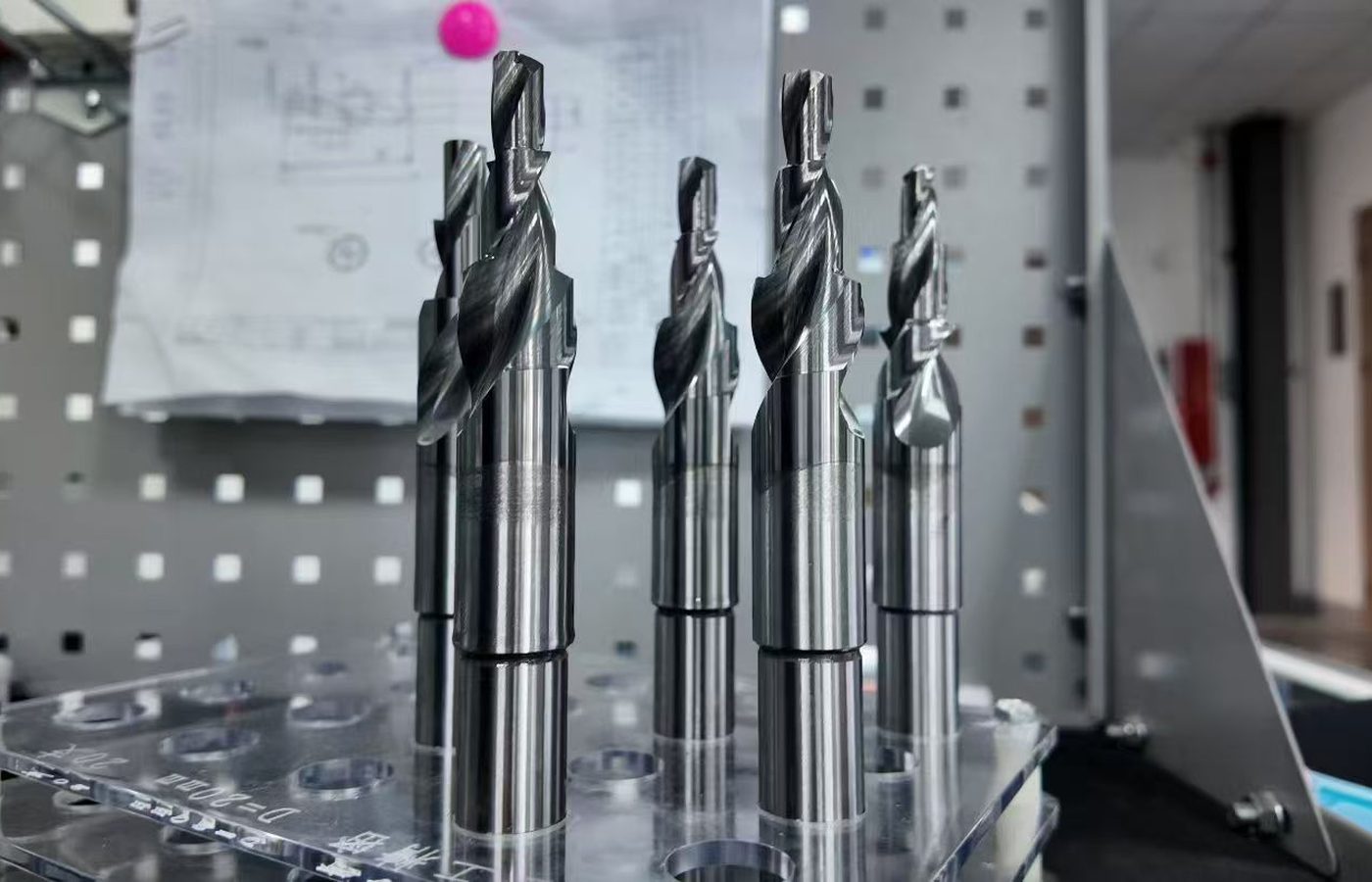
Record the workpiece material, grade or specification and condition.
Define the operation, feature, allowance and engagement information available.
Record machine rigidity, spindle, holder, overhang, workholding and coolant or air method.
Identify heat, chip evacuation, edge geometry, reach and inspection requirements.
Compare tool price, usable cutting time, tool changes, scrap risk and regrinding options under the same job conditions.
Confirm the complete model, drawing, holder fit and acceptance criteria before ordering.
Use cutting recommendations for the exact substrate, geometry and coating. A change in tool material also calls for a review of speed, feed, engagement and setup.
Gather the job conditions before comparing carbide and HSS as material options.
Review Comparison FactorsThese comparisons explain typical selection considerations. Check the specific carbide or HSS grade and tool geometry before a trial.
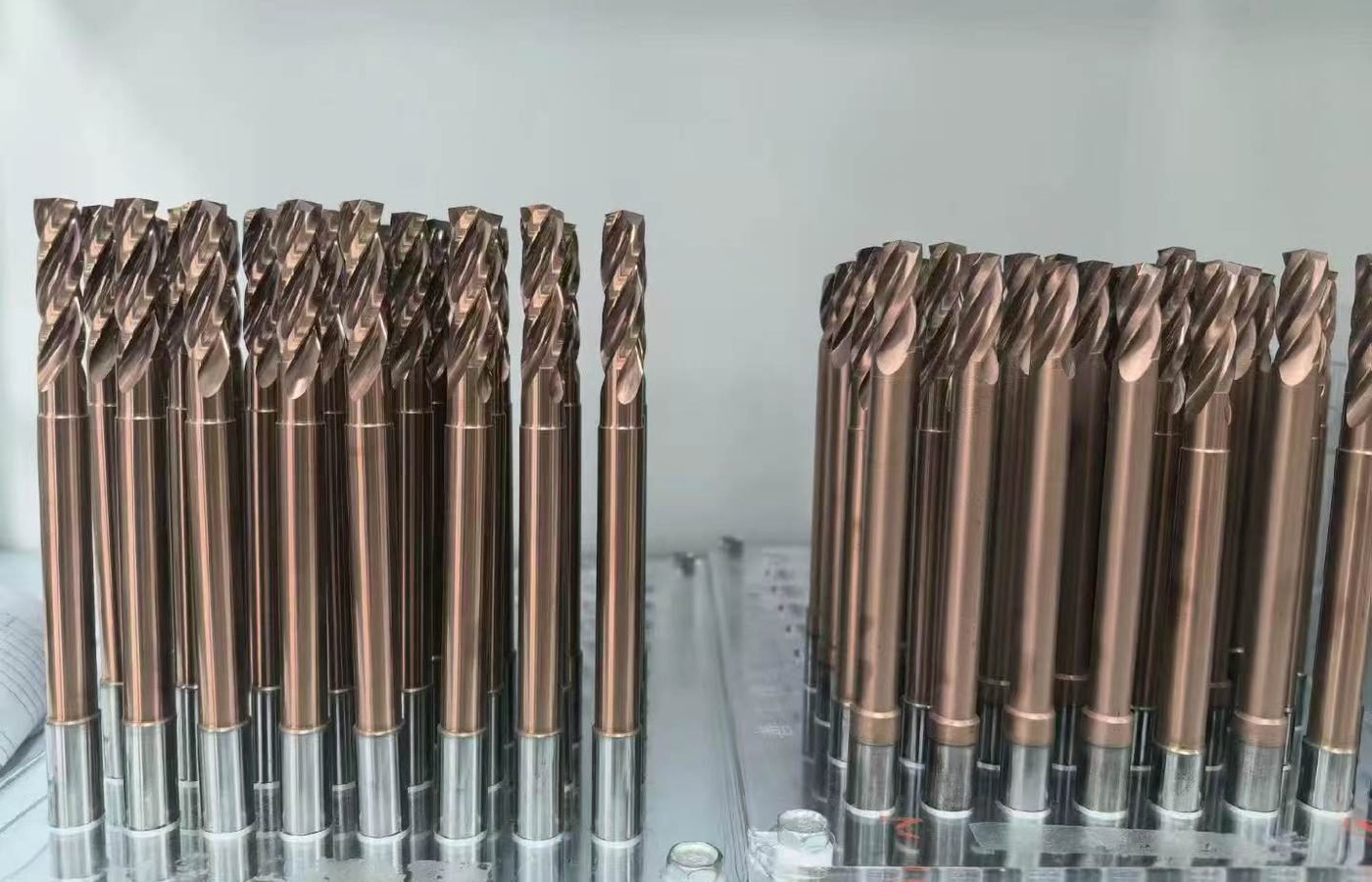
Carbide is used in rigid machines with controlled feed and suitable spindle speed. Match the exact model’s material range and geometry to the cut.
HSS-Co and powder-metal HSS end mills combine toughness with wear resistance. Compare the specific grade when impact or edge chipping is a concern.
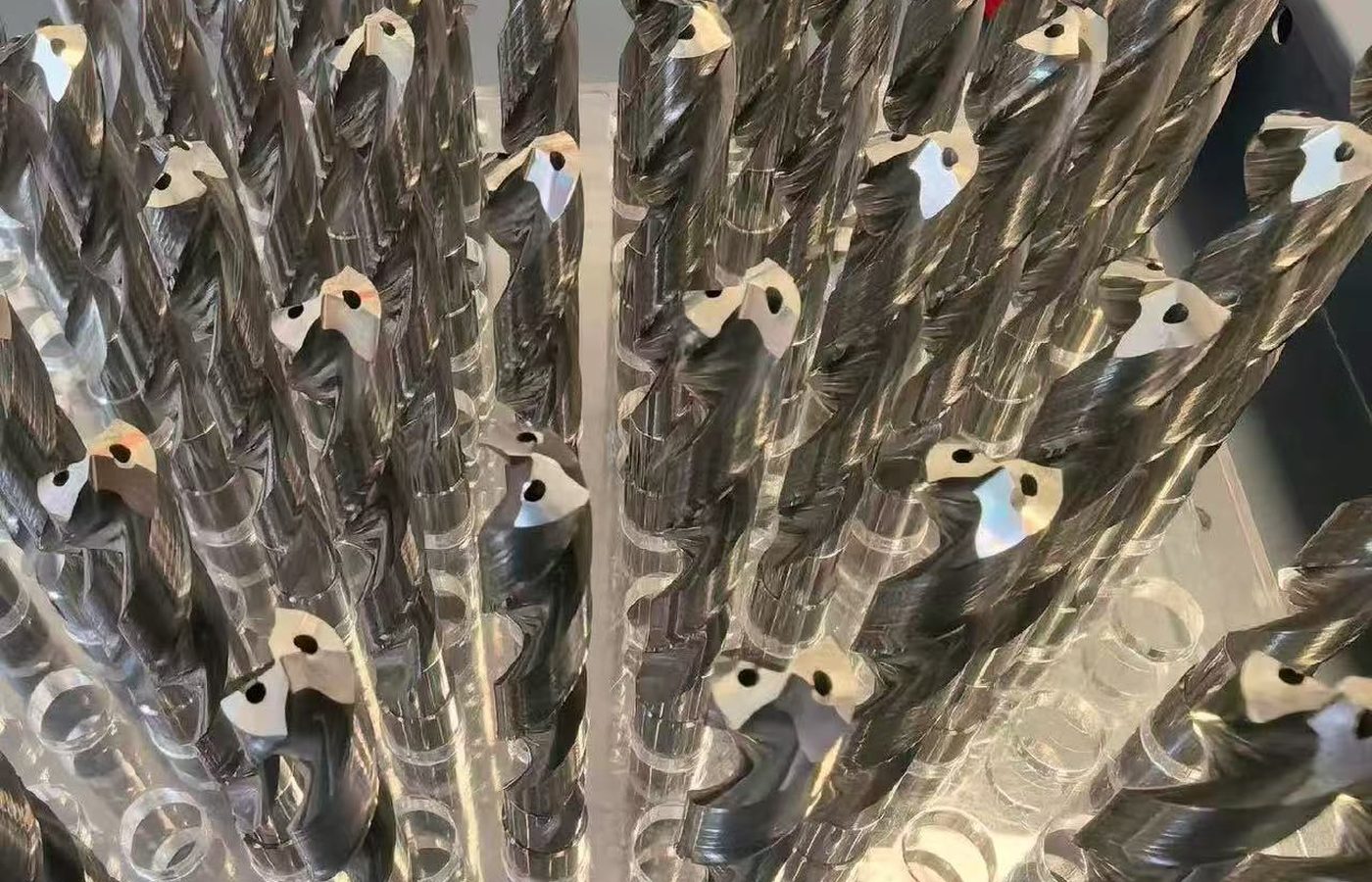
Stable workholding, a secure holder and limited overhang help protect the cutting edge. Review vibration and entry conditions before choosing carbide for an interrupted cut.
Tough HSS-Co grades merit comparison where edge chipping or interrupted loading is the main problem. They still need secure workholding and suitable cutting data.
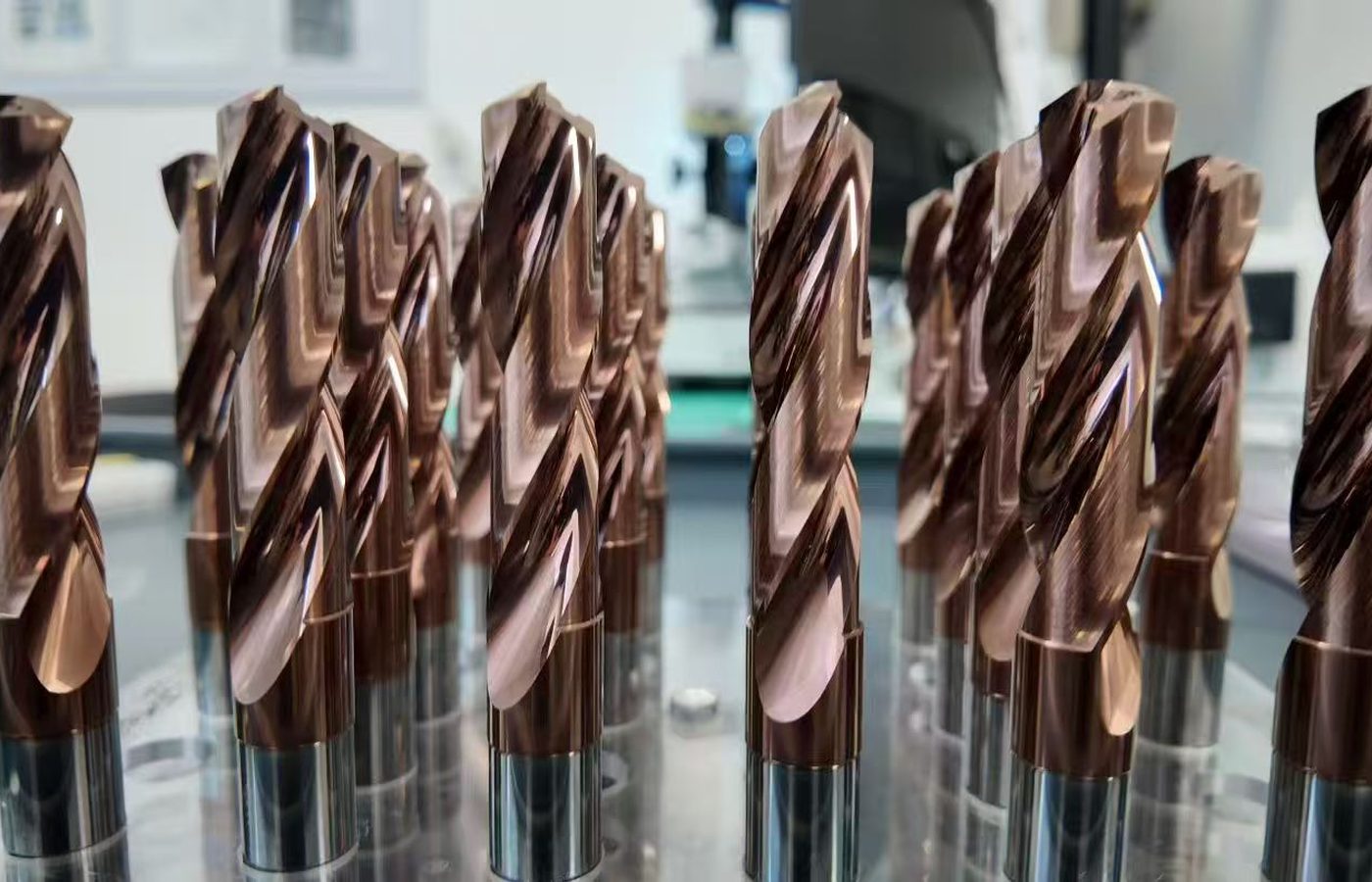
Carbide retains hardness at higher cutting temperatures and can support higher cutting speeds when the machine, holder and workpiece are stable. Use the exact model’s cutting recommendations, with coolant delivery and chip clearance suited to the operation.
HSS generally needs lower cutting speeds than carbide as heat increases at the cutting edge. Cobalt-alloyed and powder-metal HSS grades offer different heat and wear resistance; use the exact substrate and coating recommendations, with suitable cooling and chip removal.
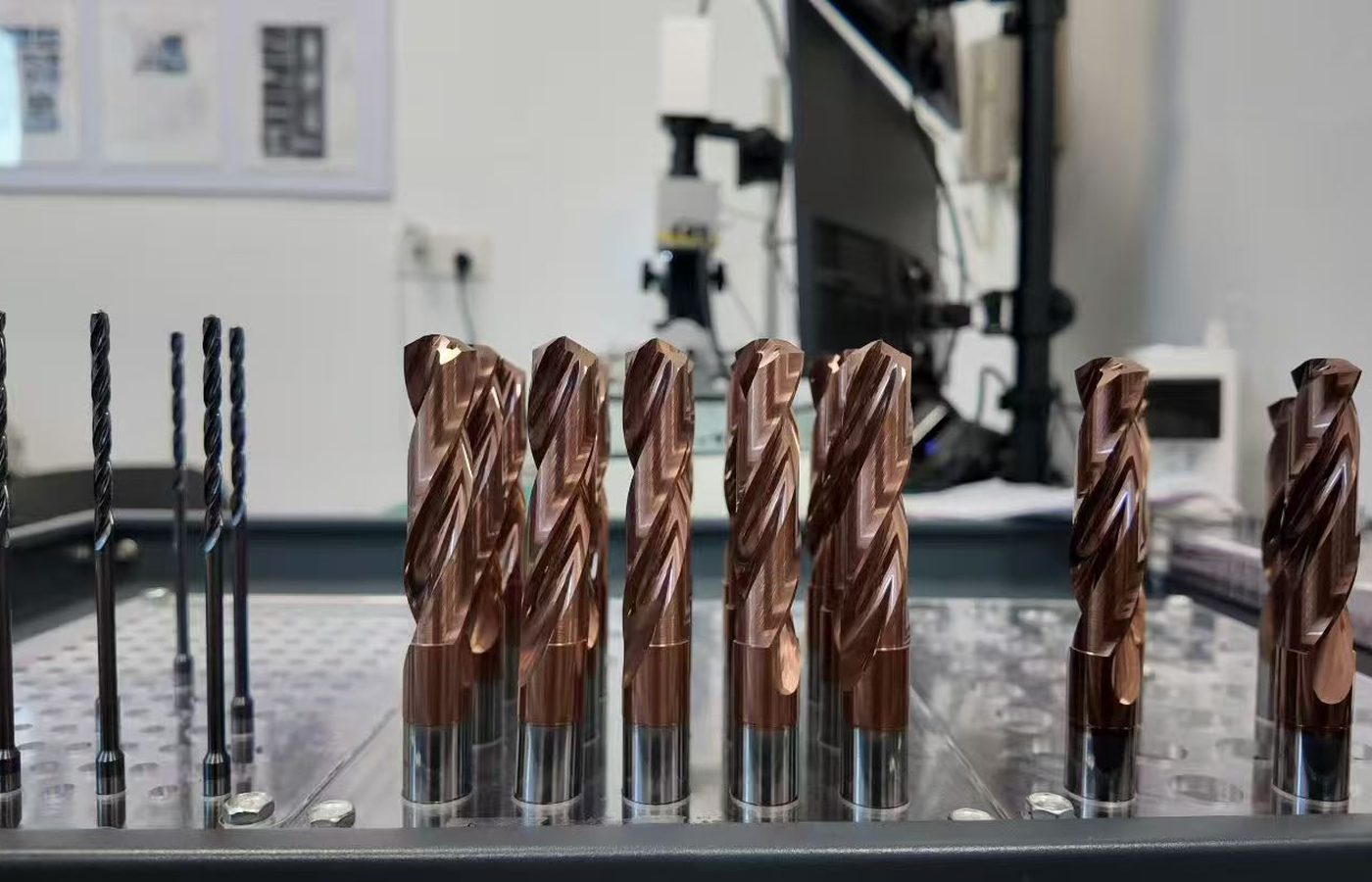
Select the diameter, reach, cutting length, flute count and edge shape from the feature. Keep overhang as short as access allows.
Compare the same usable reach and end form, then check shank fit, holder and cutting length for the HSS candidate.
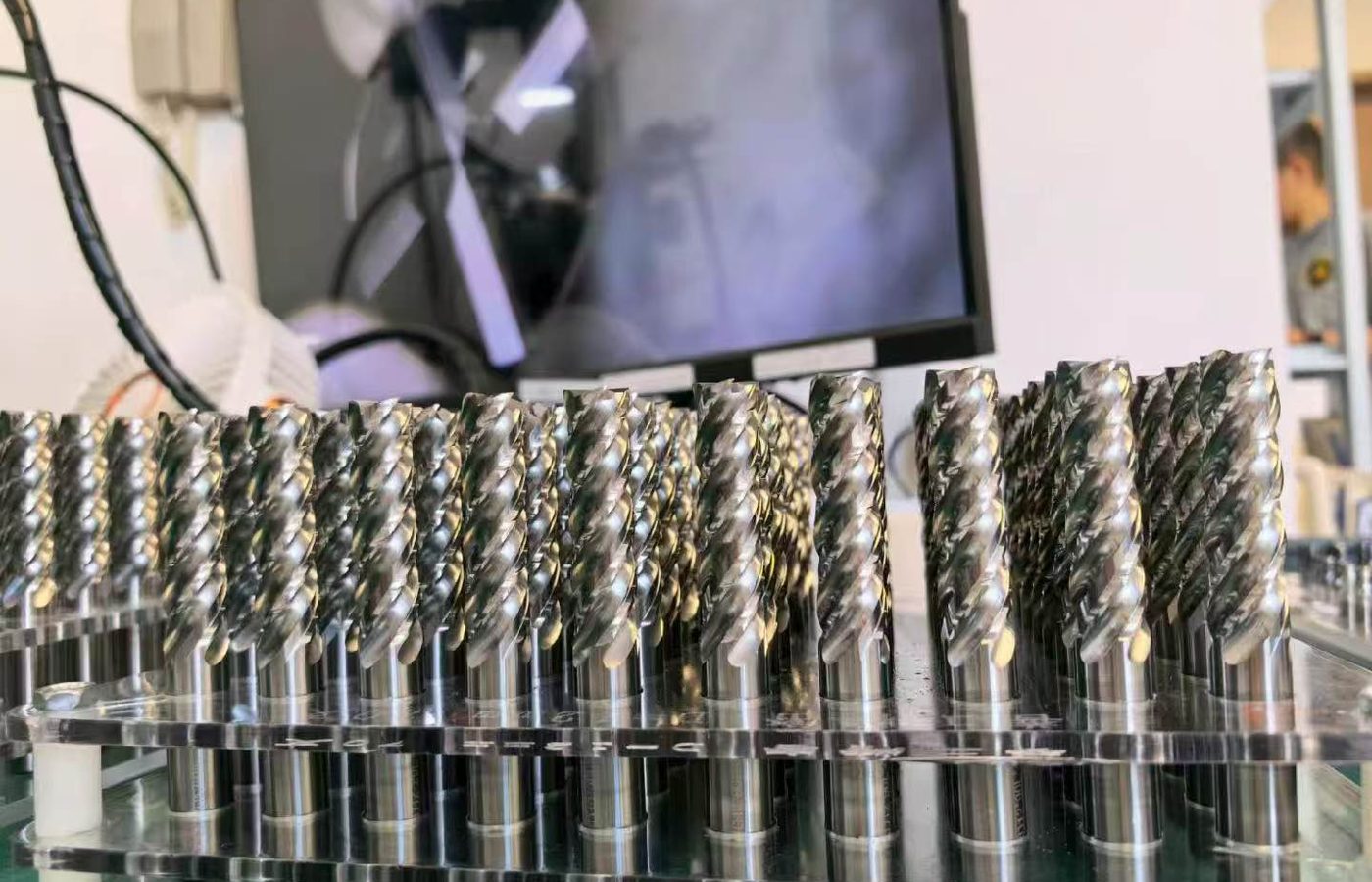
Compare the quoted price and delivery with tool changes, inspection results and the number of acceptable parts produced during the trial.
Compare the same part-quality requirements and include regrinding cost and downtime when relevant.
Choose the candidate that meets the part requirements in the available setup. For interrupted cuts, compare edge chipping and tool wear during a controlled trial.
Attach the same job conditions to both sides of the comparison before making a purchasing decision.
Prepare a Technical ComparisonChoose the relevant MSU carbide tool type and material guide for the application.
Start at Carbide End Mills and choose the end form required by the feature. Check the complete model and dimensions in the catalog.
Use the End Mill Selection Guide to structure geometry, flute, coating and machine questions.
Use the material guides for Steel & Pre-Hardened Steel Milling or Aluminum Milling to check the stated alloy, operation, tool series and cutting conditions.
When replacing an existing HSS tool with carbide, send its complete code, drawing, workpiece, operation and required part quality. MSU can review the matching carbide geometry and setup requirements.
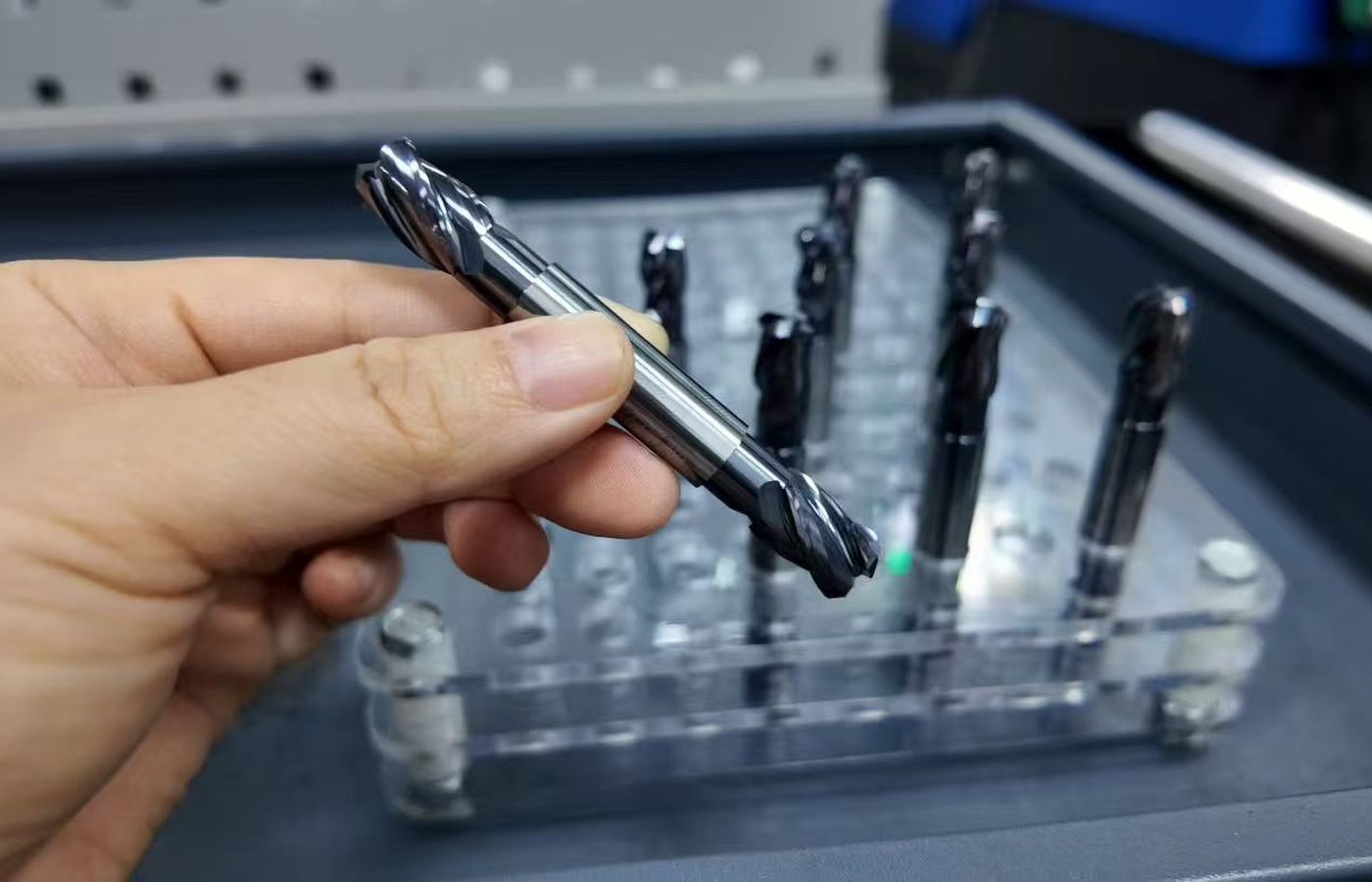
Send the current tool and job details with your carbide inquiry.
Compare Carbide End Mill TypesCompare model specifications and results for the same workpiece, operation and acceptance criteria.
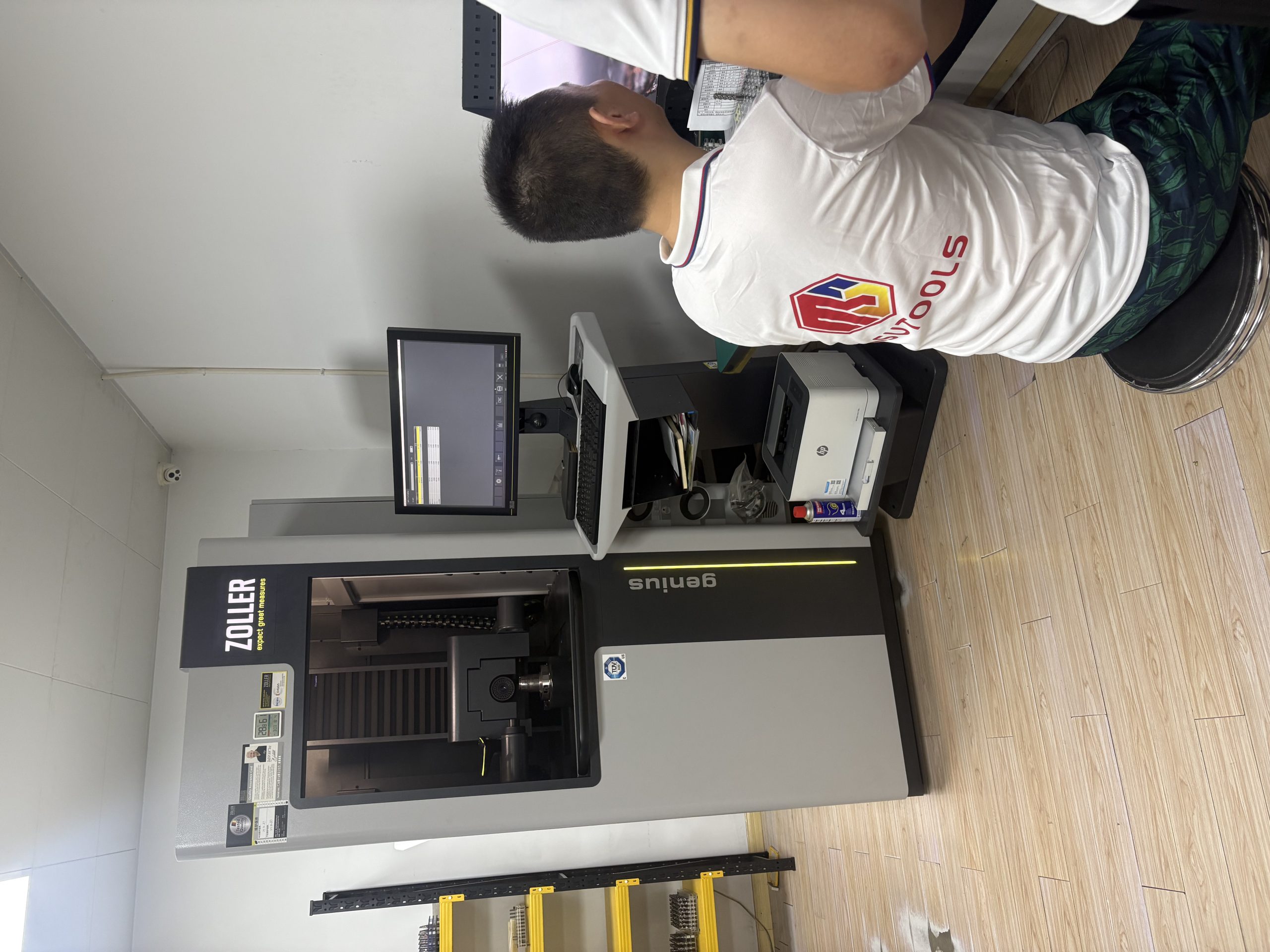
Check dimensions and material range in the current MSU carbide end-mill catalog. For the HSS candidate, use its manufacturer’s data for the exact substrate, coating and geometry.
Confirm the holder fit, reach, spindle range, engagement and coolant conditions. Set a trial for the proposed tool and compare edge wear, part finish and dimensions against the same acceptance criteria.
Find current MSU catalogs in Downloads and inspection information for MSU-manufactured products in Quality Control. Include any required inspection documents in the quotation request.
Send the current code, proposed dimensions and trial requirements together.
View Product DocumentsSend the material-selection question when the job conditions, current tool or acceptance requirement need review.
Name, company, business email, country or region, workpiece material, operation, feature, current tool or material route and question.
Drawing, current code, machine, spindle, holder, overhang, workholding, coolant or air method, heat or chip issue, target diameter, reach, flute count, coating, quantity, target date, phone and WhatsApp.
Include the current-tool marking, drawing, catalog page and relevant measurement or result images. Remove confidential information that is not needed for review.
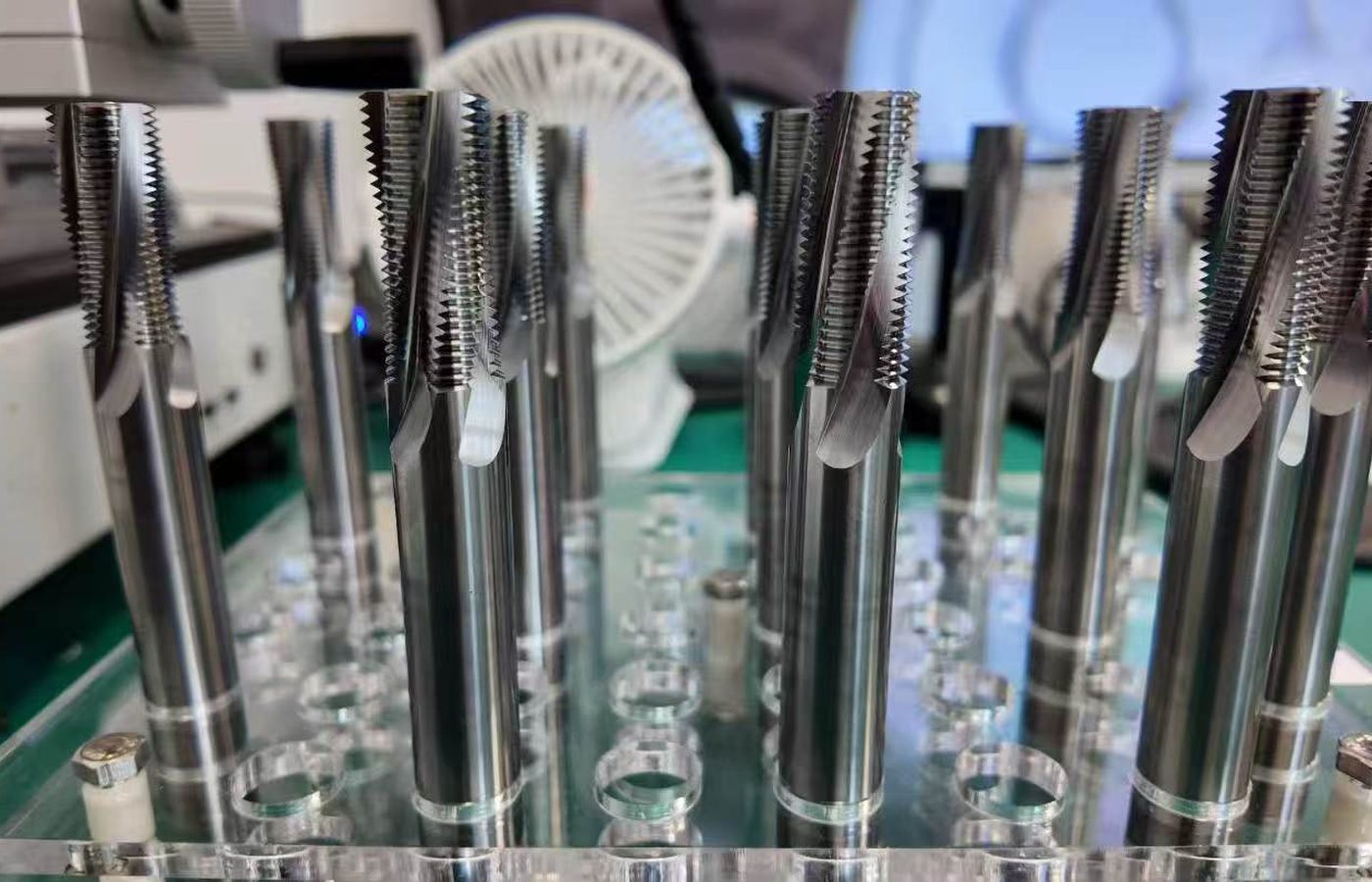
Send the matched carbide and HSS comparison inputs to MSU.
Contact MSUIt compares material and setup considerations for the same milling job, including rigidity, interrupted loading, heat, reach and purchasing cost.
MSU’s cataloged end-mill range is Carbide End Mills. HSS is included here to help you compare tool materials.
Choose by the job and setup. Compare carbide where the machine and workholding support stable cutting, and evaluate suitable HSS grades when toughness and edge-chipping resistance are priorities.
Compare the price, usable cutting time, tool changes and number of acceptable parts under the same cutting conditions. Include regrinding and downtime when relevant.
Workpiece, operation, feature, machine rigidity, spindle, holder, overhang, workholding, coolant or air method, heat, chip control and acceptance requirements.
Request a quotation for the carbide end-mill type and complete model you need. If you are replacing an HSS tool, include its code, geometry and current cutting conditions.
Send the current tool or drawing, workpiece, operation, machine and setup conditions, target dimensions, quantity and required result.