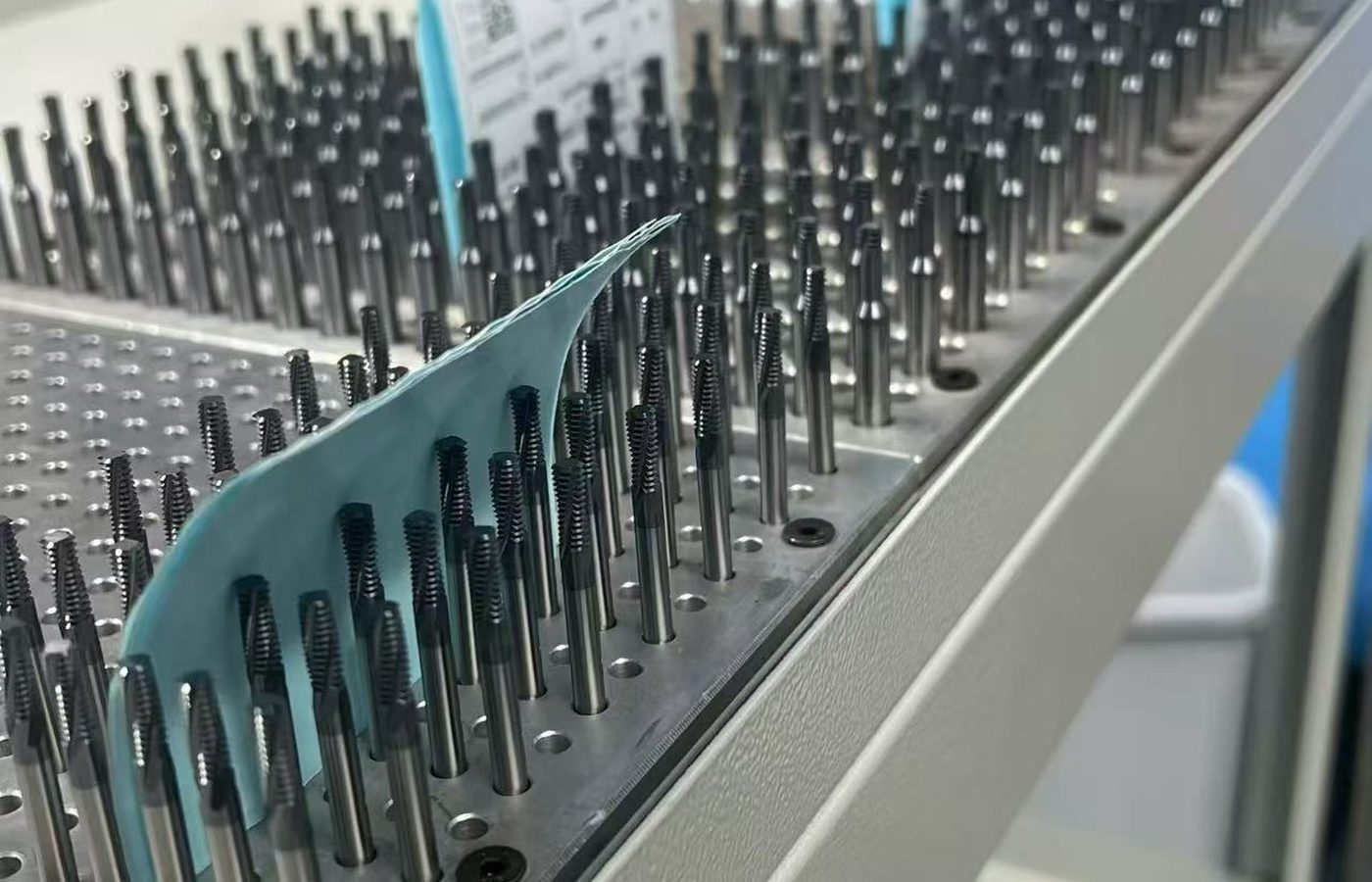
Ceramic Inserts
Use Ceramic Inserts for insert-based turning or milling requirements. Confirm the complete insert code, ceramic grade, edge preparation, dimensions, workpiece, holder or cutter and cutting conditions.
Explore Ceramic Inserts
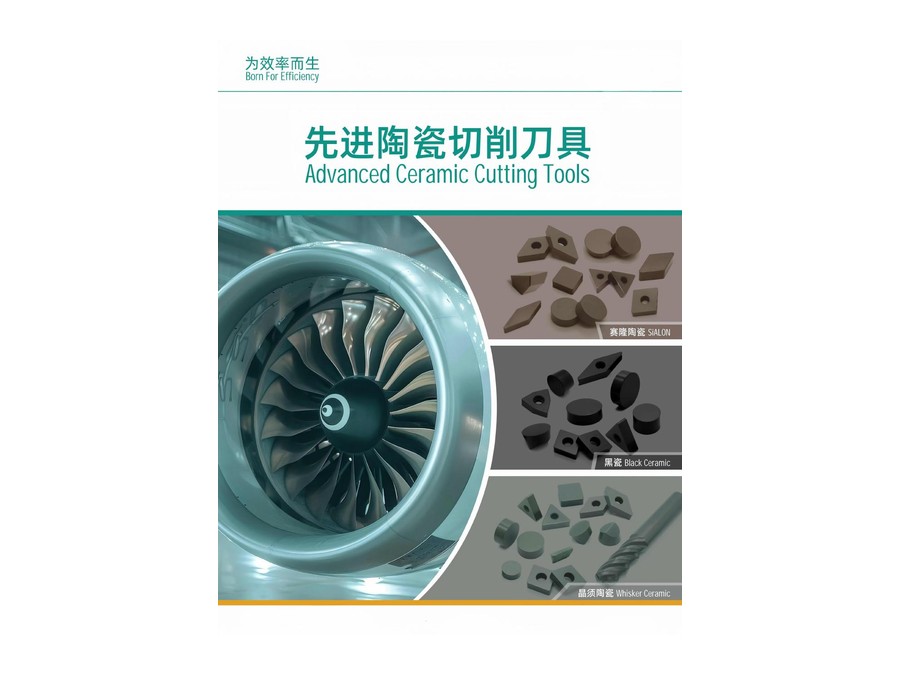
Partner-Supplied Ceramic Tool Products
Explore partner-supplied ceramic cutting tools available through MSU. The current category contains two product routes: ceramic inserts and solid ceramic end mills.
Choose the route by tool type, operation, ceramic grade, edge or end geometry, workpiece material and complete application conditions. Product supply, compatibility and order requirements are confirmed through review and quotation.
Send the ceramic tool type, application, quantity and delivery requirements for selection review or quotation.
Request a Ceramic Tool ReviewStart with the required tool construction. Ceramic Inserts and Ceramic End Mills have separate geometry, mounting and application inputs.
This category contains two ceramic product routes. Carbide Inserts, Carbide End Mills and Toolholders remain in their own product categories.
Use Ceramic Inserts for insert-based turning or milling requirements. Confirm the complete insert code, ceramic grade, edge preparation, dimensions, workpiece, holder or cutter and cutting conditions.
Explore Ceramic Inserts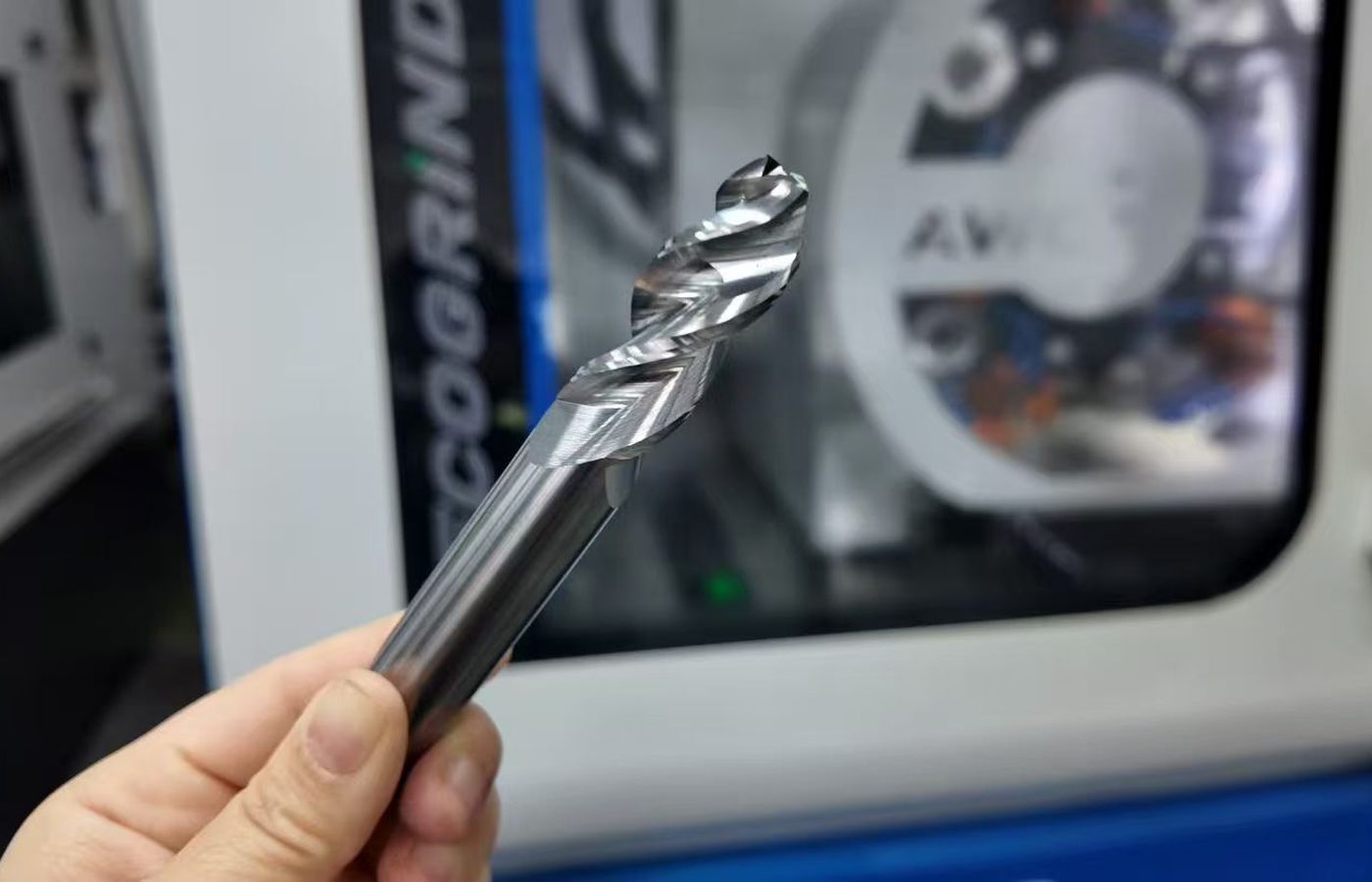
Use Ceramic End Mills for solid ceramic milling requirements. Confirm the complete tool code, straight or reduced-neck configuration, flute count, diameter, radius, cutting length, reach, grade, holder and machining conditions.
Explore Ceramic End MillsContinue to a direct comparison of the two ceramic tool routes.
Compare Ceramic Tool TypesUse tool construction and operation to choose the correct product page, then confirm the complete product reference and application conditions.
Ceramic inserts and solid ceramic end mills do not share the same mounting method, geometry fields or parameter route. A ceramic grade name alone does not establish product compatibility or application suitability.
| Product route | Tool construction | Main identification fields | Continue to |
|---|---|---|---|
| Ceramic Inserts | Replaceable insert used with the applicable holder or cutter | Complete insert code, operation, grade, edge preparation, dimensions, workpiece, holder or cutter and cutting conditions | Ceramic Inserts |
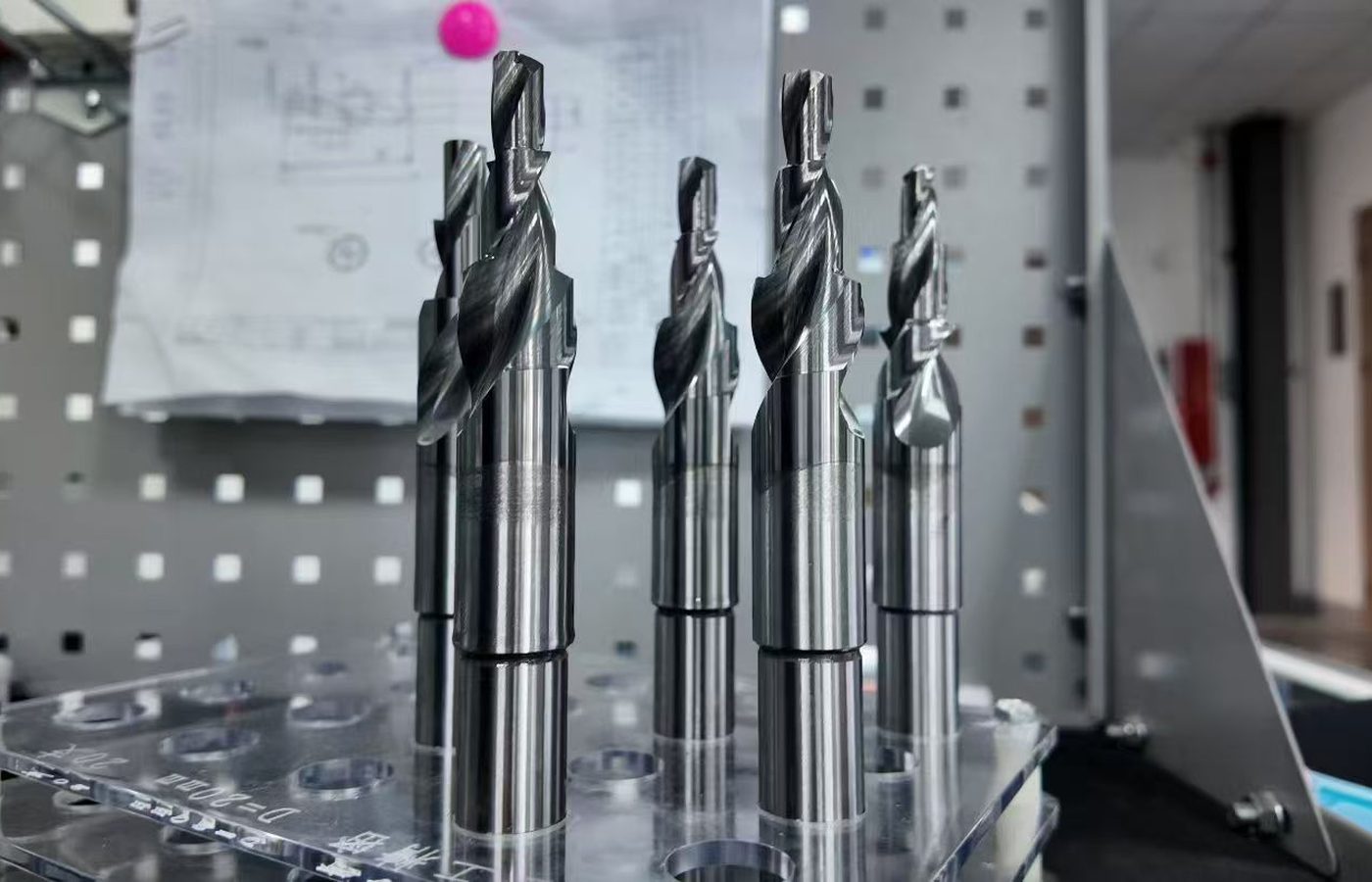
| Ceramic End Mills | One-piece solid ceramic milling tool | Complete tool code, shank configuration, flute count, diameter, radius, cutting length, reach, grade, holder, workpiece and engagement | Ceramic End Mills |
Open the product page that matches the required tool construction and identification fields.
Explore Ceramic InsertsCombine the shared workpiece and machine information with the geometry and interface details required by the selected ceramic tool route.
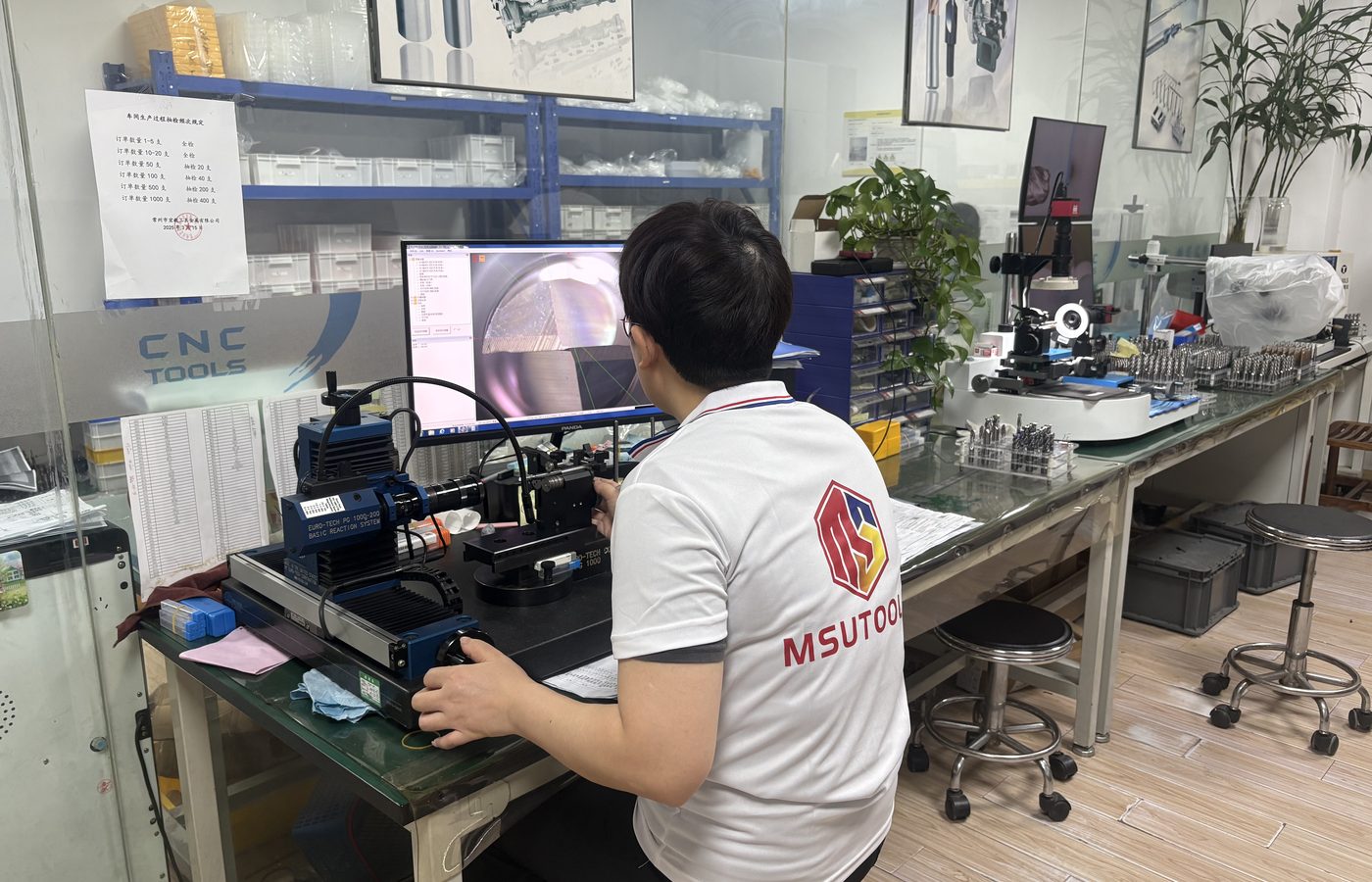
Choose Ceramic Inserts when the request uses a replaceable insert with a holder or cutter. Choose Ceramic End Mills when the request uses a one-piece solid ceramic milling tool.
Do not use carbide parameters or appearance alone to select a ceramic tool. Carbide requirements should use the Carbide Inserts or Carbide End Mills pages.
Send the complete application information for routing to the correct ceramic product and supply review.
Send Ceramic Tool RequirementsUse the relevant child page for product-specific configurations, then open the current catalog to confirm the complete reference and dimensional fields.
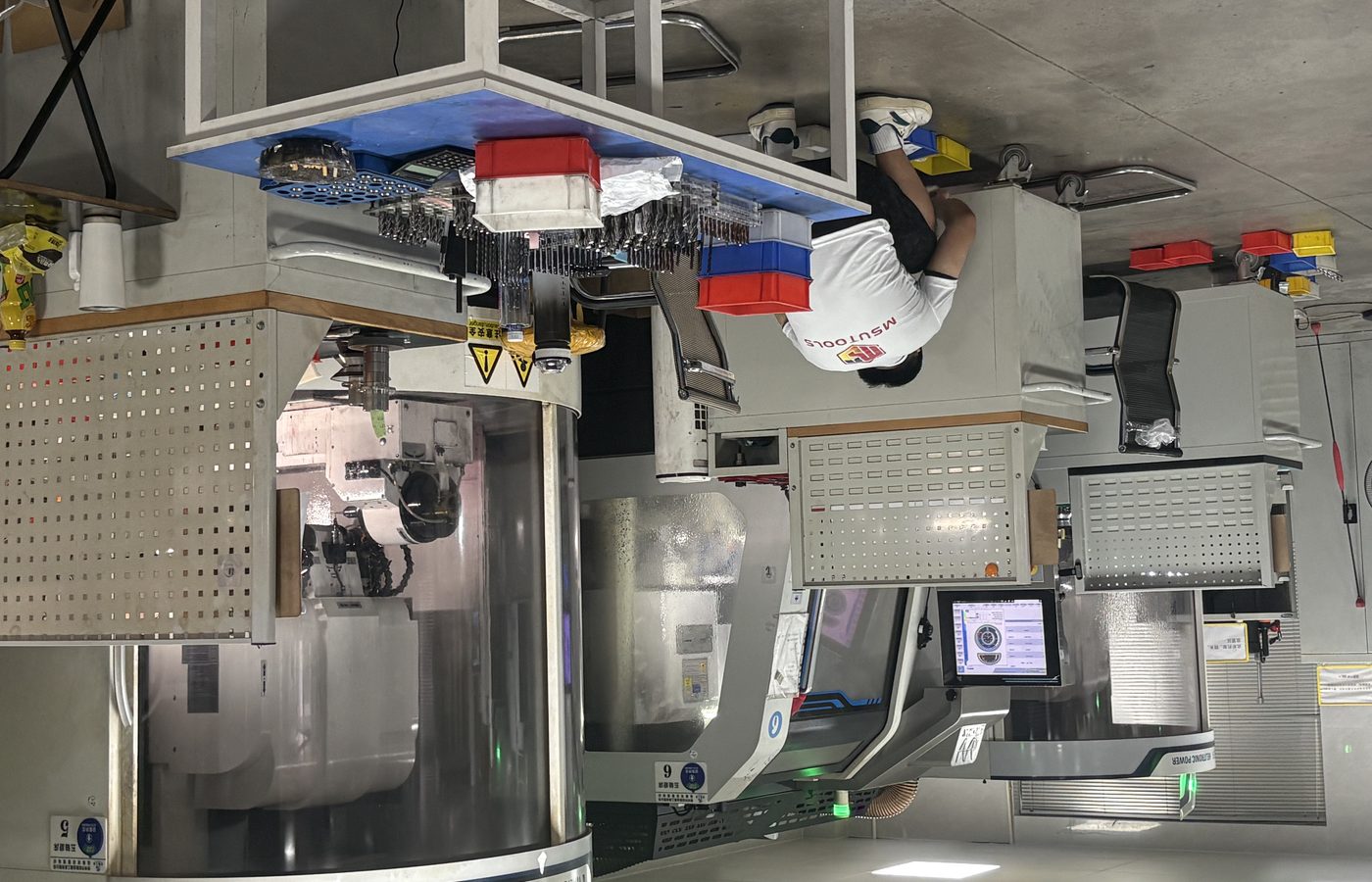
Review the complete family and suffix, ceramic grade, edge preparation, dimensions and application row for the selected insert.
Review Ceramic InsertsReview the complete tool row, straight or reduced-neck configuration, flute count, diameter, radius, cutting length, reach and grade column.
Review Ceramic End MillsOpen the current catalog, then continue to the matching product-specific page.
View the Ceramic Cutting Tools CatalogCeramic Cutting Tools are partner-supplied through MSU. Product identification, requested quality information and order requirements are confirmed for the selected product before quotation.
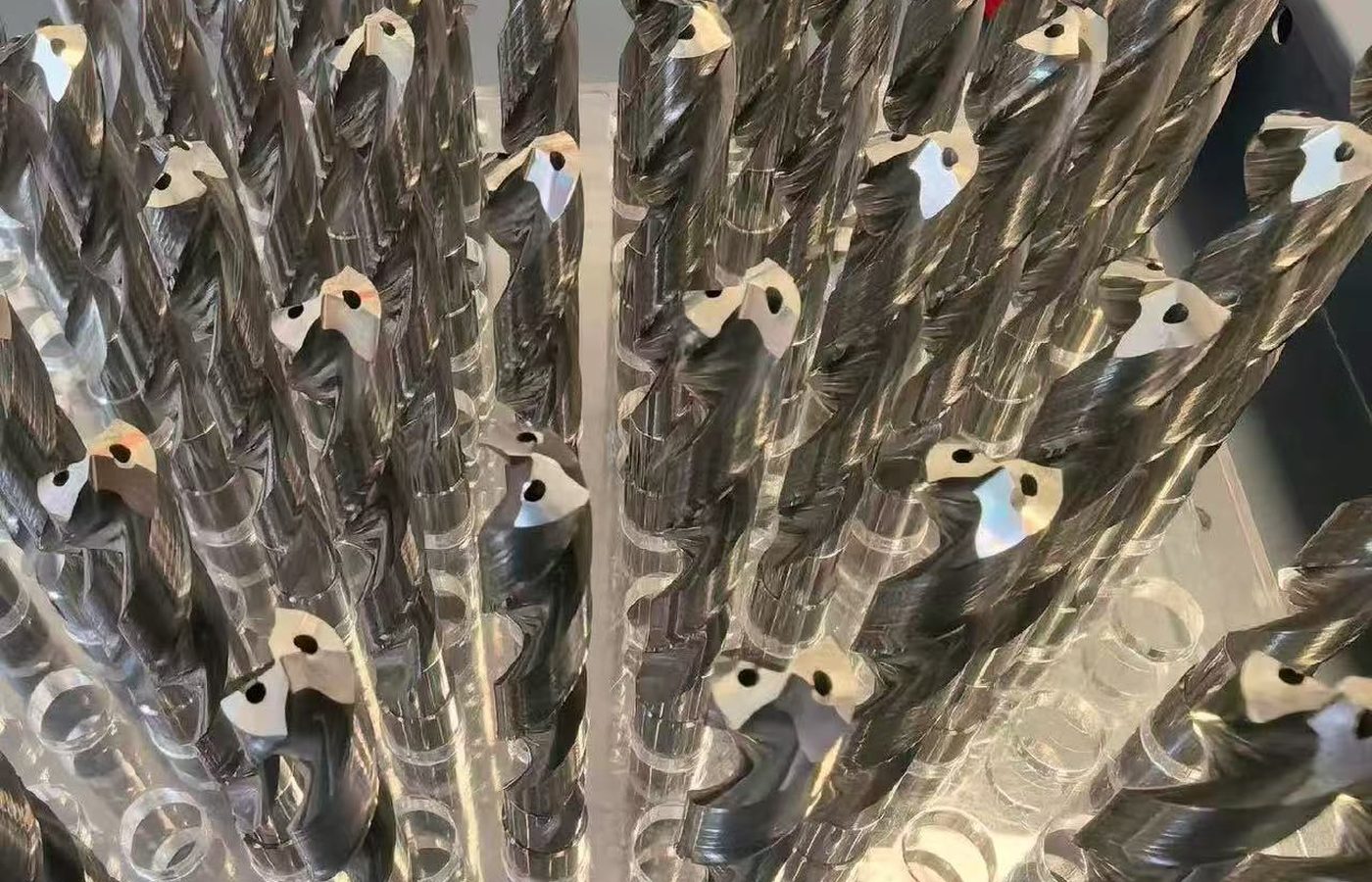
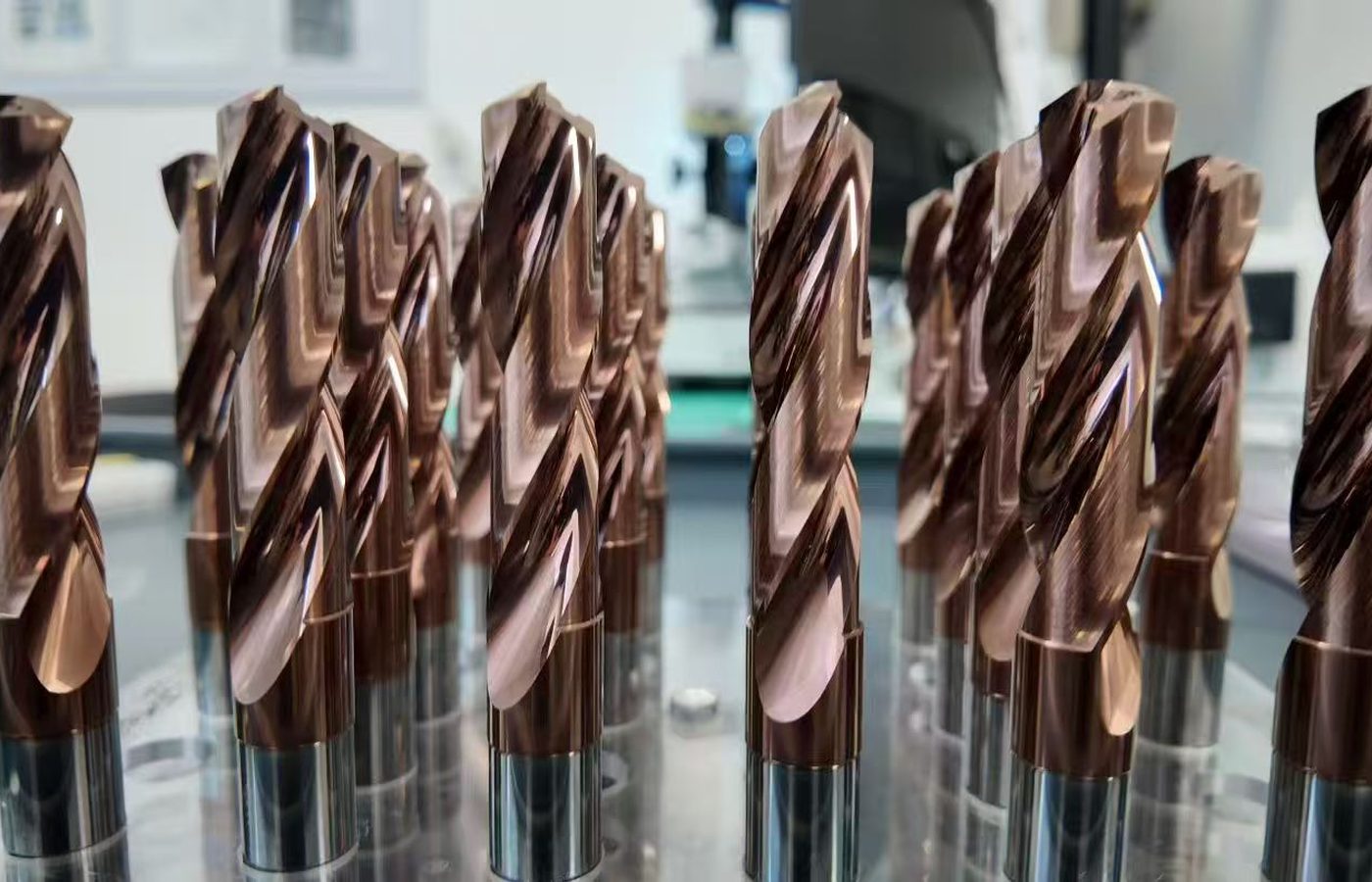
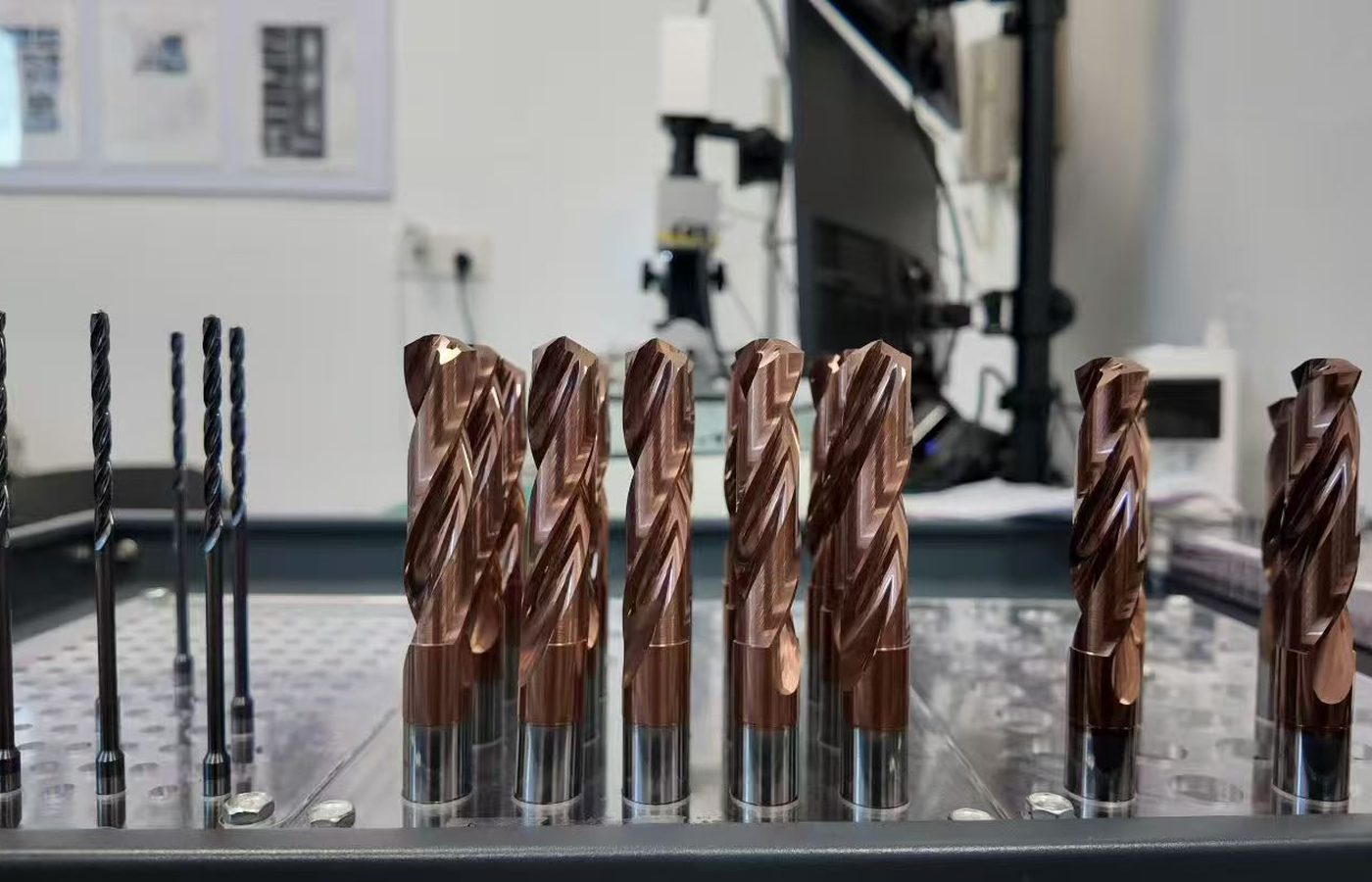
The current partner catalog, exact product reference and confirmed order requirements provide the basis for product review.
State any required material, dimensional, identification, packaging or other quality information before quotation so its availability and scope can be checked for the order.
Supplier, incoming or outgoing verification and available evidence are confirmed for the selected product and order. Compatibility, machining performance and acceptance requirements depend on the submitted reference and application conditions. See Quality Control for inspection processes and quality-document requests.
Review how product and order-specific quality information is confirmed for partner-supplied products.
Review Quality ControlSend the ceramic tool type, complete product reference or drawing, workpiece, machine, holder or cutter, cutting conditions, quantity, destination and target date. Review Ordering and Delivery for purchasing information and Downloads for current documents.
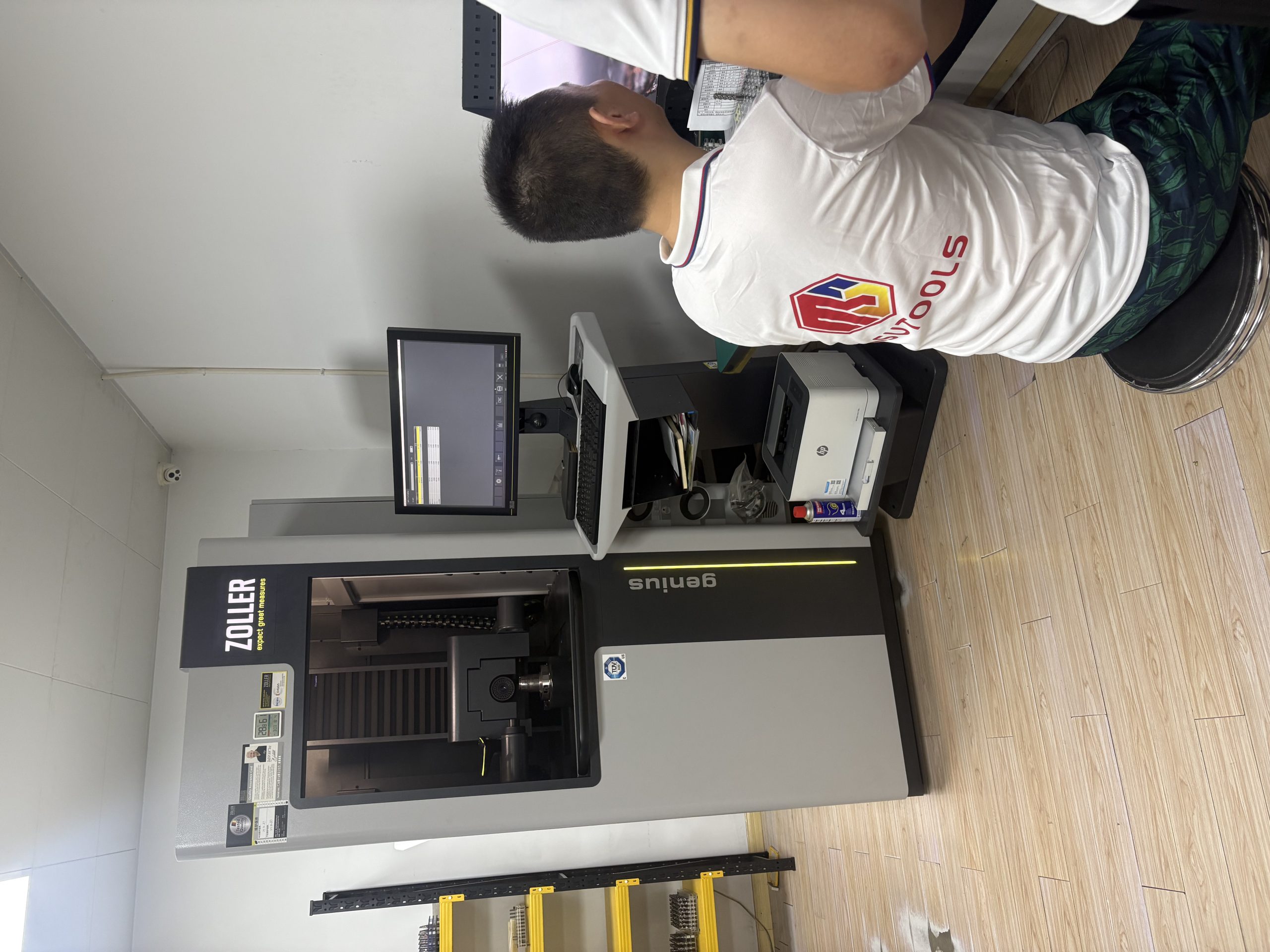
If replacing a current product, include clear photos and every visible marking together with the relevant holder, cutter, part or toolpath information.
MOQ is normally 5–10 pieces, with the final quantity confirmed by product and quotation. Samples are charged according to the product, and sample freight is paid by the customer.
Completion of the whole order is guaranteed within 25–30 days from order placement. T/T with deposit and balance is supported; percentages and milestones are stated in the quotation or order.
EXW, FOB, CIF and DDP can be discussed and are confirmed by order, destination and feasibility. Quotations remain valid for 30 days.
Report an issue within 30 days after receipt and include applicable photos, batch number, measurement report or video. Each issue is verified and handled case by case.
Inquiries are received by Maria at maria@msutools.com or +86 13973369578 by phone or WhatsApp.
Review the shared ordering terms before sending the product-specific ceramic tool requirement.
Review Ordering and DeliveryNo. MSU supplies Ceramic Inserts and Ceramic End Mills through its partner network.
The category routes to Ceramic Inserts and Ceramic End Mills.
Start with the operation, tool construction and machine interface. Inserts require the full insert and holder or cutter references; solid end mills require the complete tool dimensions and holder setup.
No universal grade rule is stated. Use the exact product, grade, workpiece and application row.
No. Submit the actual ceramic tool, workpiece, engagement and machine conditions for review.
No. Catalog information supports product identification and condition-specific comparison. Availability and order requirements are confirmed through quotation.
Yes. State the exact document and acceptance basis before quotation so the available supplier and order evidence can be checked.