
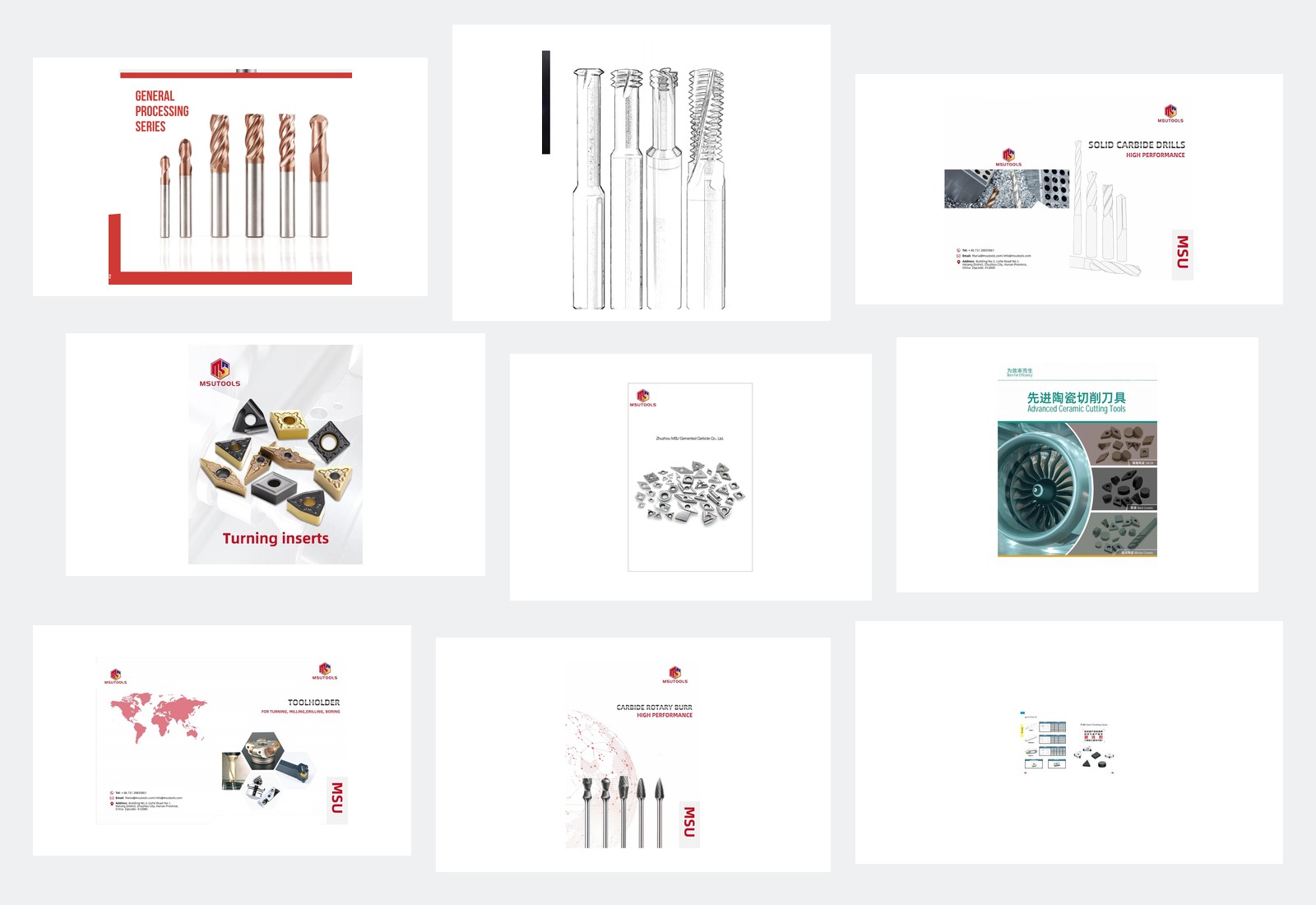
End Mill Selection Guide
Choose an end mill by matching the workpiece and operation to the part geometry. Start with the end form, then check diameter, reach, flute count, coating and the machine setup before selecting the complete product code.
Use the comparisons below to narrow the tool type. The current product catalog provides model dimensions; cutting parameters need the exact tool, material and engagement conditions.
Send the material, operation and current tool information for a technical review.
Ask a Technical QuestionScope and Intended Use
Use this resource when the requirement is still being defined or when several end mill types could fit the same feature.
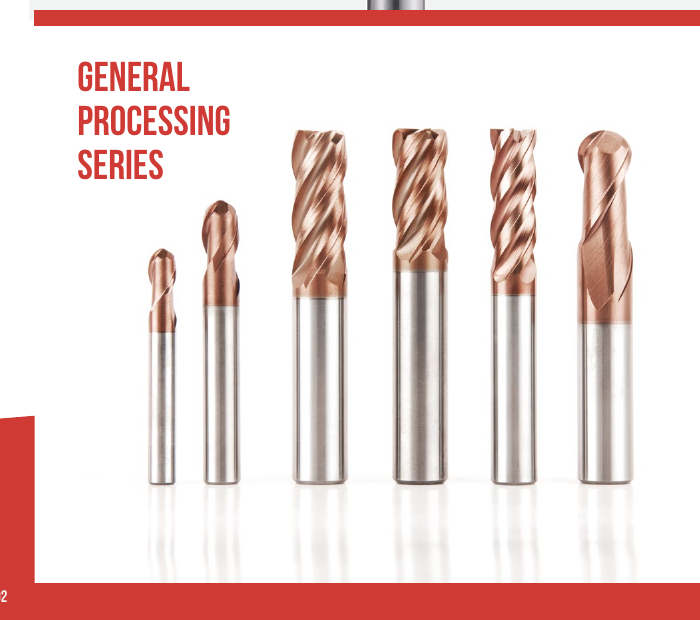
Compare the ten MSU carbide end-mill types below, then use the product page and current catalog to select the model and dimensions for your application.
Choose the required end form, then check its available models and dimensions.
View Carbide End MillsSelection Framework
Start with the part and cut, then check whether the tool and setup can meet them.
-
Workpiece
Record the workpiece material, grade or specification, condition and measured hardness when relevant. Match these to the selected series’ stated material range before comparing geometry and coating.
-
Operation
State roughing, profiling, shoulder milling, slotting, chamfering, corner rounding, 3D contouring or another defined operation.
-
Feature and toolpath
Describe the wall, pocket, slot, corner or contoured surface. Include required finish, allowance, depth and radial engagement so the tool can be matched to the cut.
-
Geometry
A square end cuts a flat bottom; a ball nose follows curved surfaces. A corner radius removes the sharp tool corner but leaves a radius on the part, so it must fit the drawing. Use the shortest reach that clears the feature.
-
Flute and coating
Compare flute count and the exact catalog coating or uncoated option only after material and operation are known. Use the End Mill Flute Count Guide and the End Mill Coating Guide for those comparisons.
-
Machine and control
Record the spindle, holder, overhang, workholding, coolant or air method and chip evacuation. Include current speed, feed and any runout or vibration concern.
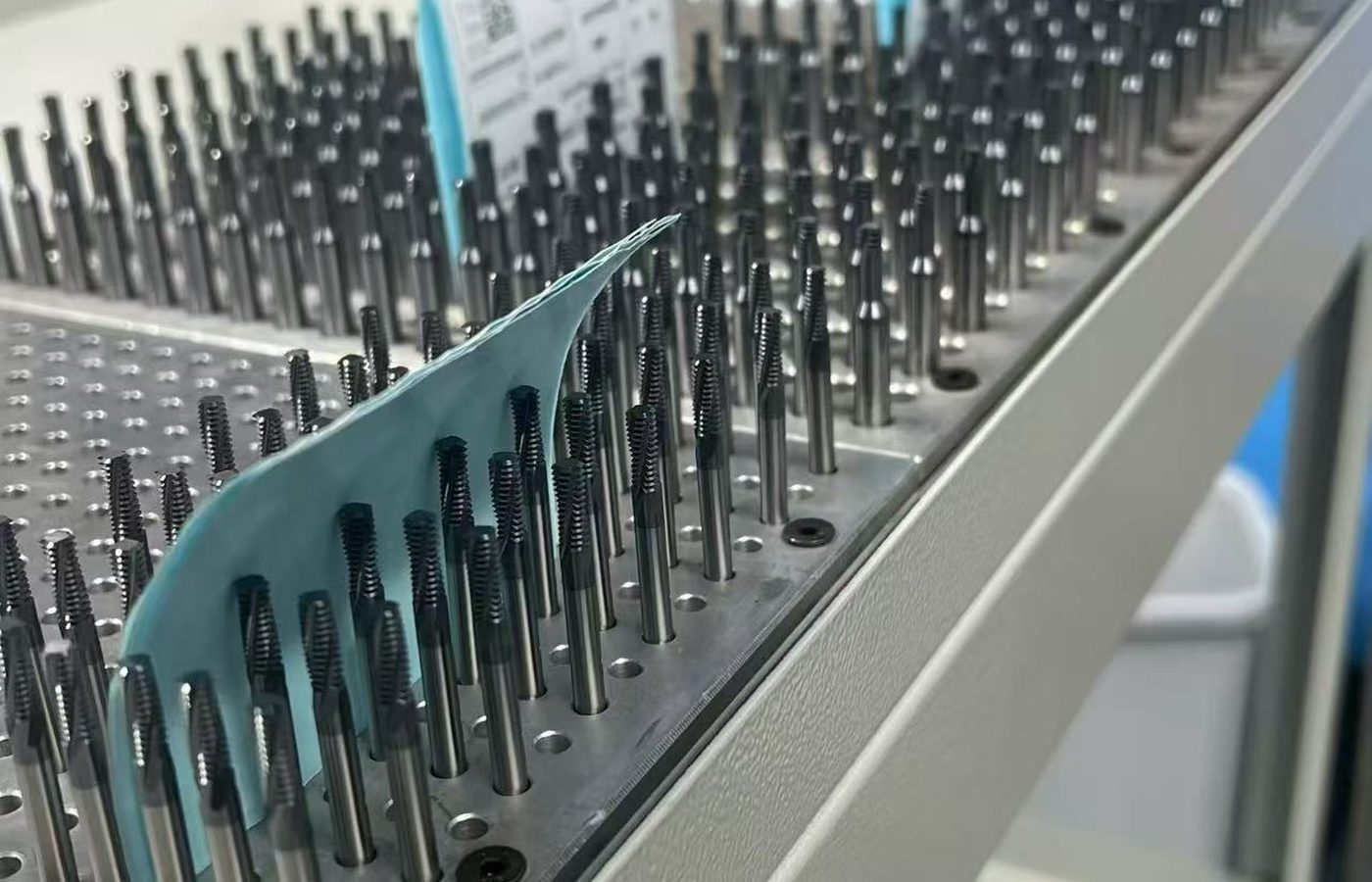
Choose the tool type from the feature, then check the material range, dimensions and setup for the exact model.
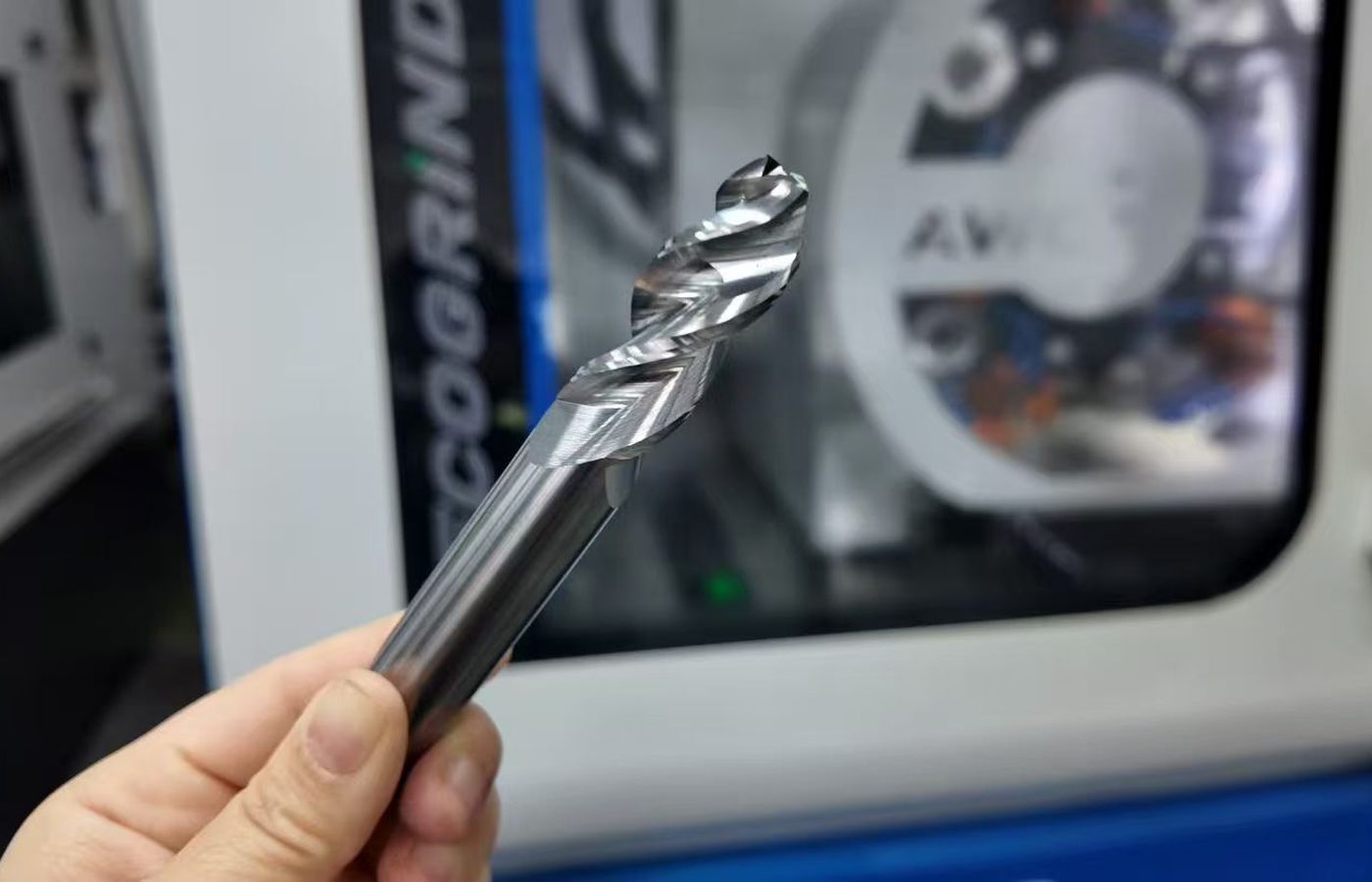
Compare the end forms against the part drawing and machining operation.
Review Selection FactorsCompare the Available Options
Match the cutting shape to the part feature, then compare the dimensions and setup requirements before ordering.
| Tool type | Compare first | Confirm before ordering |
|---|---|---|
| Square End Mills | Flat-bottom pockets, shoulders and slots that need a square floor-to-wall corner | Complete family/code, reach, coating and operation |
| Ball Nose End Mills | Curved surfaces and 3D contours; a ball nose leaves a rounded bottom | Surface/feature geometry, toolpath, code and machine conditions |
| Corner Radius End Mills | Features that allow a defined radius; the rounded tool corner adds corner strength | Radius, reach, flute length, code and engagement |
| Micro End Mills | Small features and restricted access; tool deflection and runout need close control | Exact dimensions, complete code, runout, holder and setup |
| Roughing End Mills | Stock removal; check chip space and leave the required finishing allowance | Exact roughing family, operation, machine rigidity and code |
| T-Slot End Mills | T-slot or undercut feature; neck and reach | Slot dimensions, access, code and workholding |
| Corner Rounding End Mills | Defined edge-radius operation | Required radius, workpiece access and complete code |
| Chamfer Mills | Chamfer or deburring feature | Angle/geometry in the exact catalog code and operation |
| Tapered Ball Nose End Mills | Tapered 3D or draft-wall access requirement | Taper and ball geometry, reach and complete code |
| Single-Flute End Mills | An application needing a single cutting flute; check chip space and the selected series | Material, chip evacuation, machine conditions and engineering review |
Use Carbide End Mills to compare available tool types. Confirm the complete code, material range and dimensions for the chosen model.
Open the closest matching tool type, then confirm the model and cutting conditions.
Compare End Mill TypesApply the Guide to MSU Products
Use the relevant product or material page to verify the exact family, code and application conditions.
Choose the tool type
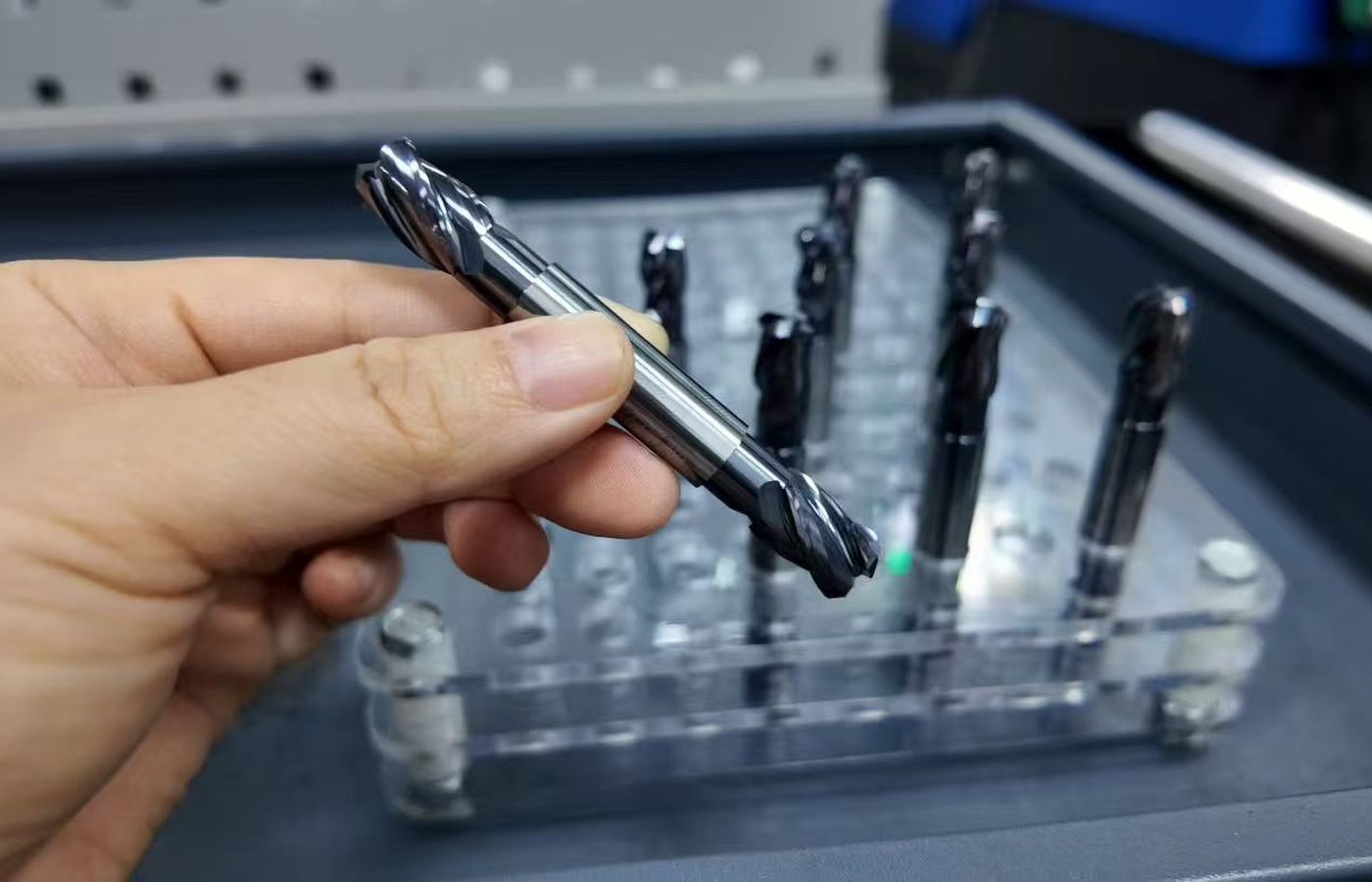
Start with Carbide End Mills and choose the required end form. Match diameter, flute length, overall length, shank, flute count, reach, corner or ball detail, coating and material range to the complete ordering code.
Choose by workpiece material
Use the material guides below to compare tools for steel, hardened steel, stainless steel, titanium alloy or aluminum. Match the stated material grade, operation, tool series and cutting conditions to your job before using any starting parameters.
Related guides
Use the End Mill Coating Guide to compare surface treatments and the End Mill Flute Count Guide to compare cutting edges, chip space and feed per tooth.
Use the current catalog to verify the selected family and product code.
Check Current Product CatalogsProduct Documents and Cutting Conditions
Use the catalog to check specifications and send the application details needed for a tool recommendation.
Model specifications
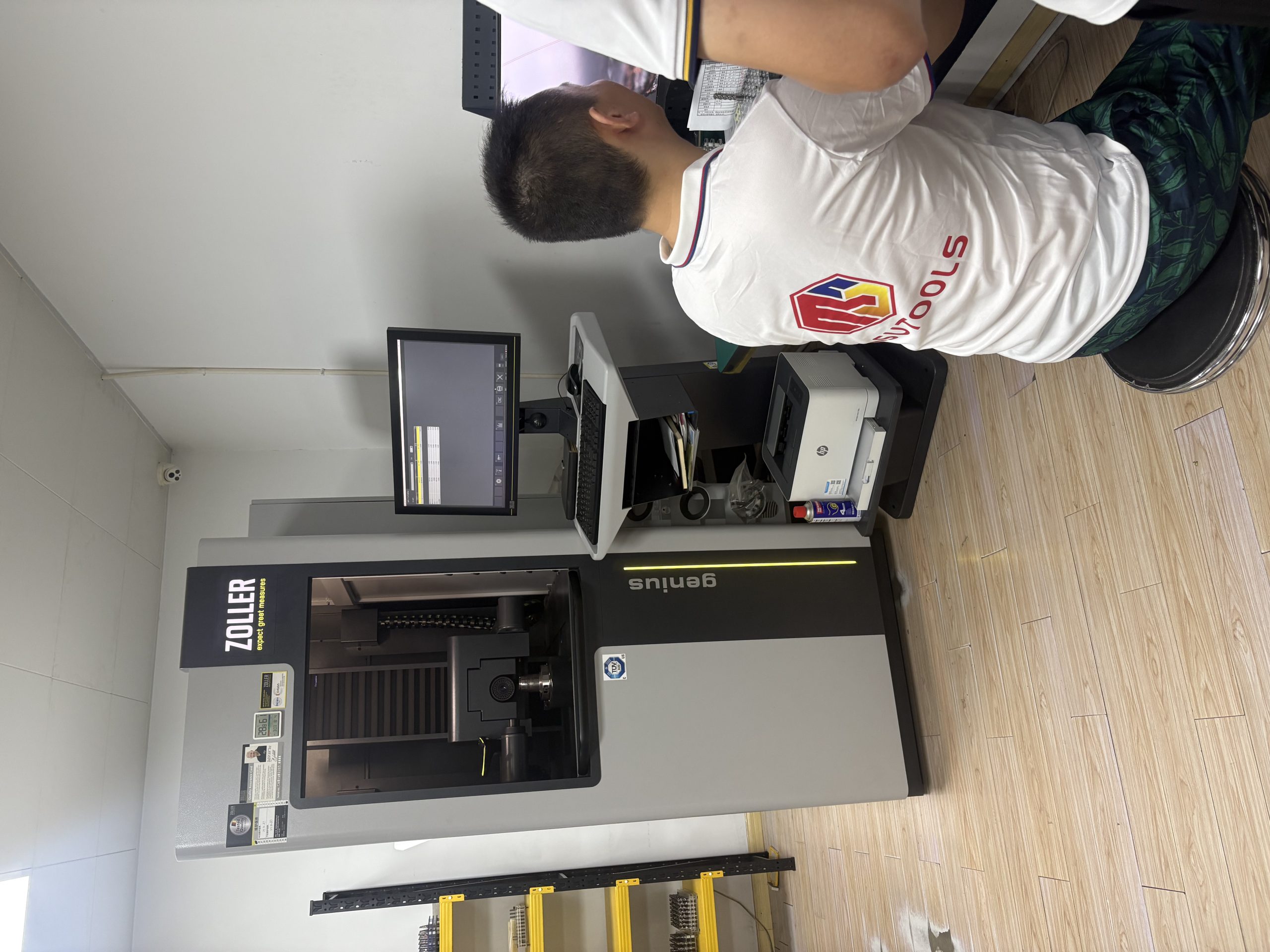
Check the complete code and dimensions in the current MSU end-mill catalog. Include the catalog page and drawing in your inquiry when the required material, reach or operation needs confirmation.
Application limits
Set speeds and feeds for the exact tool, workpiece and engagement. Confirm the machine, holder, overhang, workholding and coolant before a trial, then check the part dimensions and finish against your acceptance requirements.
Find current catalogs in Downloads and information about inspection of MSU-manufactured products in Quality Control. Include any inspection-document requirement in your inquiry.
Send the selected code, drawing and cutting conditions for confirmation.
Review Product DownloadsAsk a Technical Question
Send the tool type, complete code and cutting conditions you need confirmed. Include available measurements and drawings; MSU can help identify missing specification details.
Required details
Name, company, business email, country or region, workpiece material or grade, operation, feature, target tool diameter, quantity and question.
Optional details
Current tool code, drawing, workpiece and setup photographs, end-form preference, flute count, coating, reach, machine, spindle, holder, overhang, workholding, coolant or air method, current speed and feed, observed issue, target date, phone and WhatsApp.
Upload guidance
Include dimensioned drawings, current-tool markings and relevant measurement or result images. Remove confidential information that is not needed for review.
Send the complete selection record for a technical review.
Contact MSUEnd Mill Selection Guide Questions
What is this end mill selection guide for?
It helps match the end form to the part feature and compare diameter, reach, flute count, coating and setup before selecting a complete product code.
How do I choose an end mill?
Start with the material and operation, then define the feature and end form. Confirm diameter, reach, flute count, coating, machine and complete catalog code before ordering.
What end mill types are covered?
The guide covers ten MSU carbide end-mill types: square, ball nose, corner radius, micro, roughing, T-slot, corner rounding, chamfer, tapered ball nose and single-flute.
Does the guide provide universal speeds and feeds?
Use starting values for the stated operation, material, tool series and setup. Send your conditions to MSU if the job differs from the example.
Can I use this guide instead of the product catalog?
No. Use it to organize the decision, then verify the current catalog and product page.
Does the guide identify the best end mill?
The suitable tool depends on the feature and cutting conditions. Choose the end form from the drawing, then compare available models by material range, diameter, reach, flute count and coating.
What should I send when the choice is still unclear?
Send the material, feature, operation, current tool, machine and setup details, plus a drawing or photograph when available.