Send Your Inquiry

Tell us about your application and the tools you need.

* Required fields

Skip to content
Spindle-mounted tool machining a flat metal part

Single-Flute End Mills

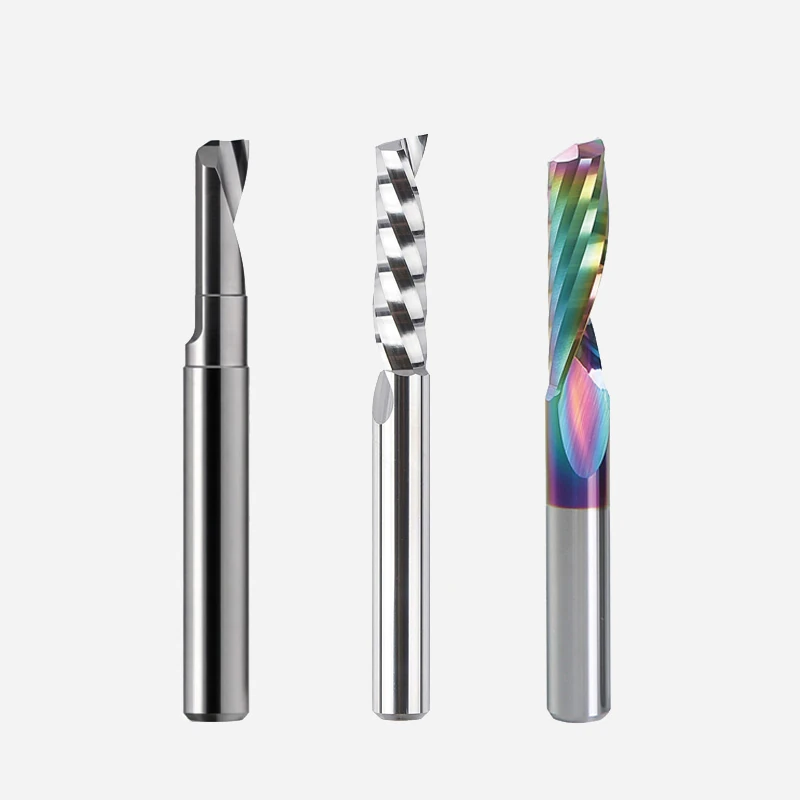
MSU’s NON-1F high-polished carbide single-flute end mills come in cutting diameters from 3 to 12 mm.

Use the size table to match the cutting length and shank to your feature and holder. Material and cutting conditions determine whether the selected geometry suits the job.

Send the model and quantity, or describe the feature, material and machining task.

Find a Single-Flute End Mill

When to Compare a Single-Flute Tool

For a chip-clearance problem, examine the flute space as well as the number of cutting edges. A single-flute tool still needs a chip-removal method suited to the cut.

Tool family

NON-1F High-Polished Single-Flute End Mill

NON-1F has one cutting edge and a high-polished finish. Its diameter, cutting length and shank dimensions are listed below.

A single cutting edge does not by itself define an O-flute profile. If a specific flute shape is required, include its drawing or reference.

Family
NON-1F
Tool type
High-polished single-flute end mill
Flutes
1
Diameter range
3–12 mm
Single-flute end mills
NON-1F High-Polished Single-Flute End Mill

Compare the cutting length and shank size for the diameter you need.

Compare NON-1F Sizes

Compare Diameter and Cutting Length

The available NON-1F dimensions are listed below in millimeters.

NON-1F model dimensions in millimeters.
ModelDiameter d1Cutting length L1Shank Dh6Overall length L
NON-1F0300317450
NON-1F0400422450
NON-1F0500522550
NON-1F0600622650
NON-1F0800825860
NON-1F100010351075
NON-1F120012451275

Cutting diameter and shank diameter are not always the same. Check the holder fit and usable projection as well as the length of the cutting edges.

Use the drawing to check the full tool dimensions.

View the NON-1F Drawing

Check Material and Chip Removal

A suitable size still needs cutting conditions that match the workpiece and operation.

MSU carbide cutting tools
  • Feature: identify slot width, depth, tolerance and access.
  • Material: provide the exact grade and condition, including reinforcement where applicable.
  • Engagement and chips: identify slotting or side milling, cutting depth and the chip-removal method.
  • Setup: check holder fit, projection, workholding and available spindle conditions.

Describe the material and machining task if you need help choosing a size.

Discuss a Single-Flute Application

Tool Dimensions and Inspection

Use separate diameter and length requirements for the cutting section and shank.

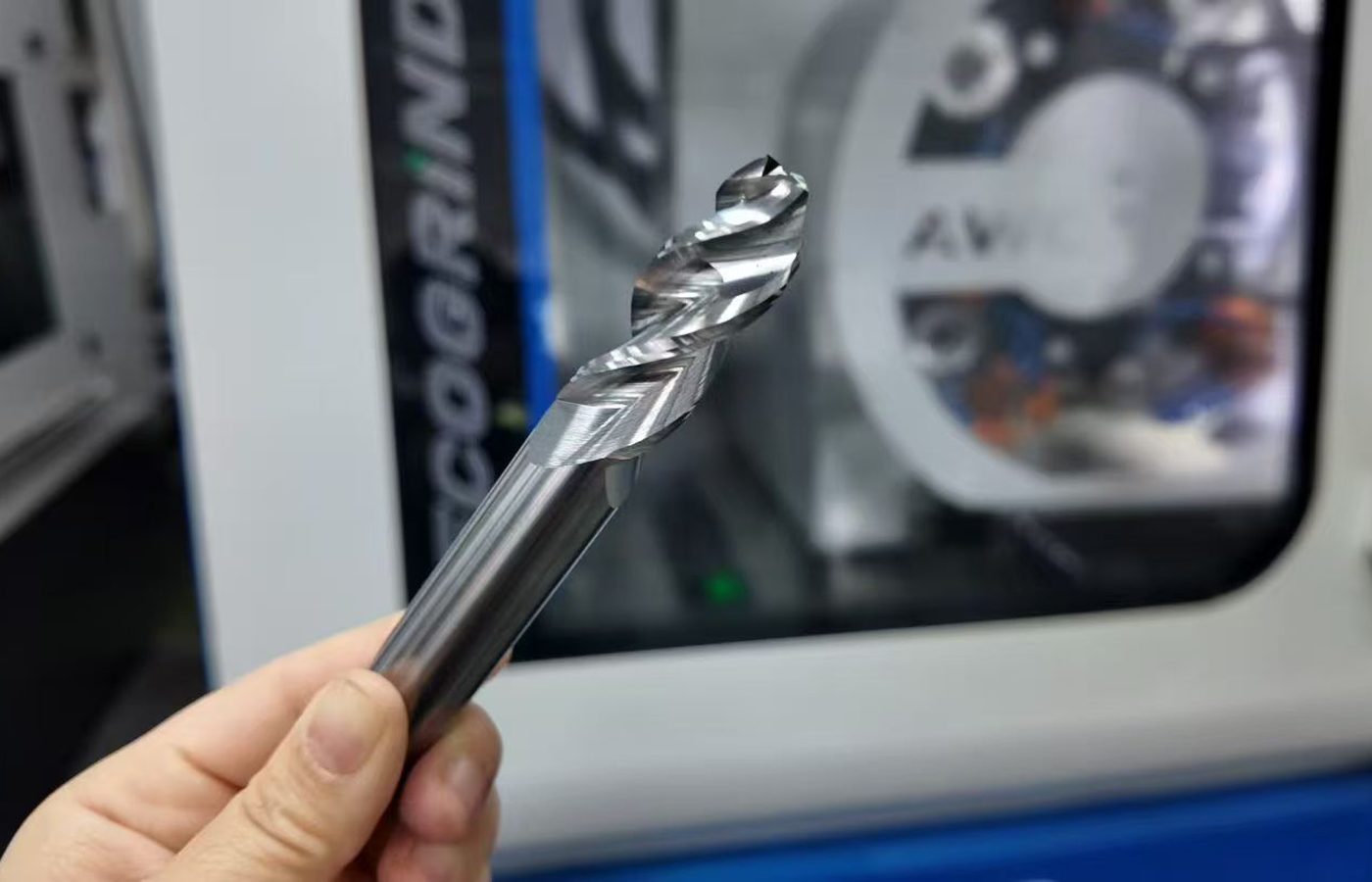
The MSU Factory has Walter HELITRONIC MICRO equipment; Quality Control facilities include a ZOLLER G3 measurement system.

For NON-1F0300, the 3 mm cutting diameter and 4 mm shank serve different fits. Specify any required tool tolerances explicitly; a finished slot tolerance is not a shank tolerance.

Operator using the control panel of a CNC tool grinder

Need a measurement report? State the tool dimensions to be reported with your enquiry.

Discuss Inspection Requirements

Request a Quote

For a repeat order, send the full model and quantity. For selection help, email the part detail and material to Maria.

MSU carbide cutting tools

MOQ

Normally 5–10 pieces; the quotation confirms the quantity for your selected tools.

Samples

Samples are charged. Sample freight is paid by the customer.

Lead time

Your quotation confirms production timing. Shipping time is stated separately.

Contact

Maria: maria@msutools.com · +86 13973369578 (phone or WhatsApp). Email drawings and photos.

Ask us to confirm the available sizes for your material and operation.

Request a Quote

Single-Flute End Mill Questions

No. NON-1F0300 has a 3 mm cutting diameter and a 4 mm shank. The holder must fit the shank, while the cutting diameter determines access to the feature.

All three listed sizes have a 22 mm cutting length and 50 mm overall length. Their shank diameters are 4, 5 and 6 mm respectively.

No. Usable reach also depends on clamping length, the holder and nearby walls. Compare the mounted tool with the feature depth.

Recheck the feed calculation and cutting data. Flute count, spindle speed and feed per tooth jointly determine feed rate; changing the number of edges changes that relationship.

No. Flute count describes the number of cutting edges. Material suitability also depends on the actual geometry, material grade and cutting conditions; it cannot be inferred from that designation alone.