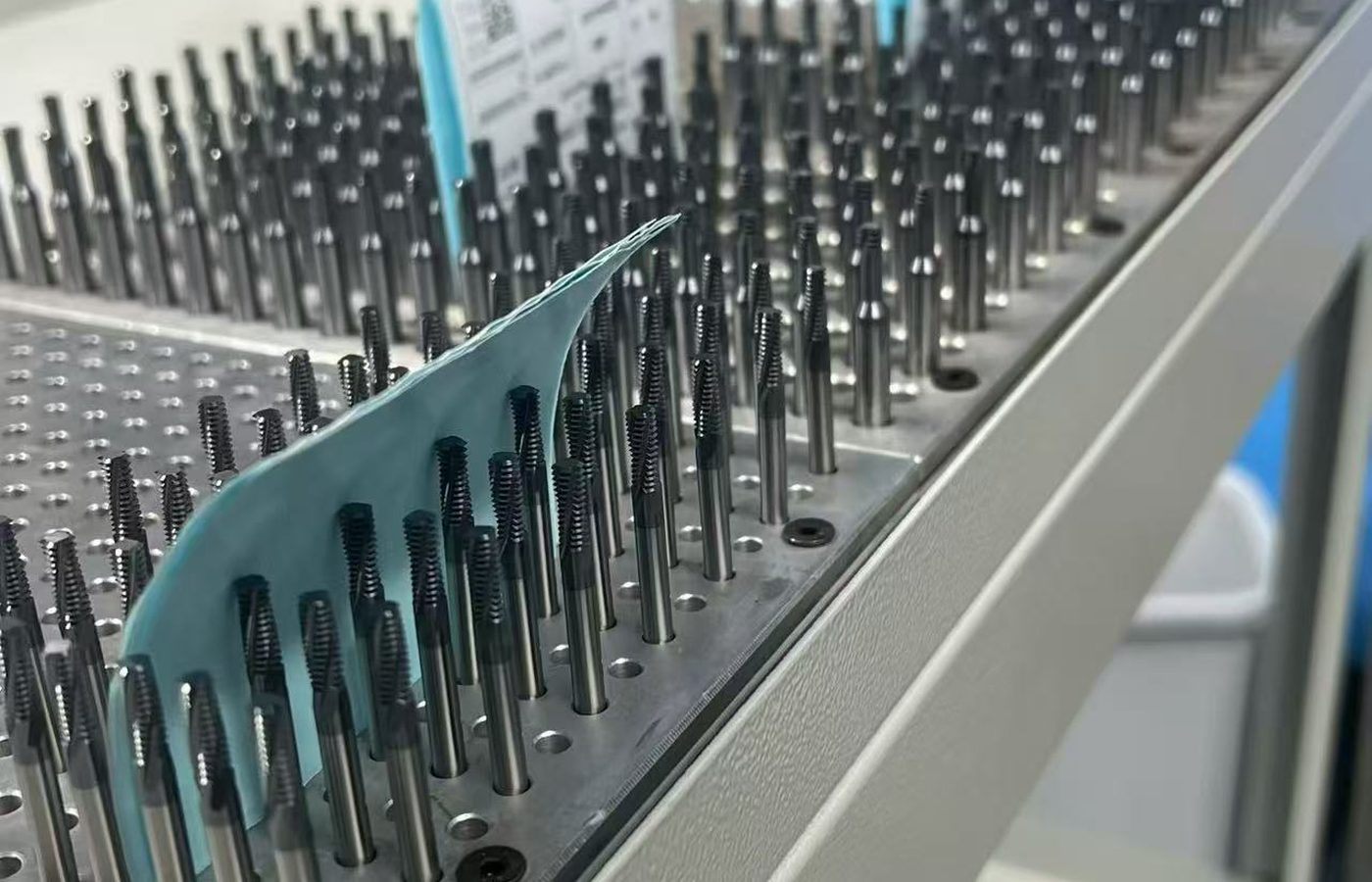
PCBN Finishing Inserts
For the final diameter, face or profile. Match nose radius, edge preparation and grade to the remaining allowance and required surface.

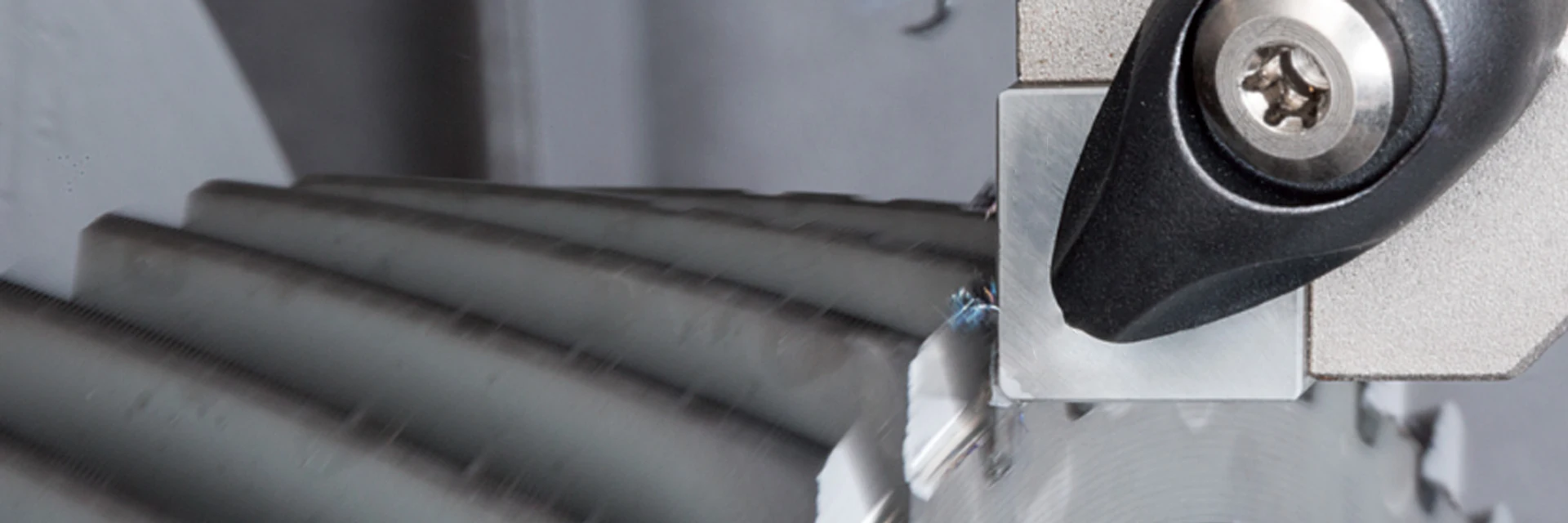
Choose CBN and PCBN cutting tools for finishing and semi-finishing hardened steel, cast iron and selected powder-metallurgy materials. Match the grade and edge preparation to the actual material condition and contact with the edge.
The range includes inserts and drawing-based tools. For a replacement, keep the complete code, grade and holder reference. For a new application, define hardness, stock allowance, interruptions and the result to be measured.
Send the full tool code, or email the part drawing, hardness and cutting conditions.
Find a CBN or PCBN ToolFinishing and semi-finishing place different demands on the edge. Start with the allowance and interruption pattern, then match tool geometry and grade to the operation.
For non-ferrous or non-metallic machining, compare PCD Tools. See PCD & CBN Tools for the material comparison. For other cutting edges, compare Ceramic Inserts or Carbide Inserts; special profiles can be discussed through Custom Cutting Tools.
For the final diameter, face or profile. Match nose radius, edge preparation and grade to the remaining allowance and required surface.
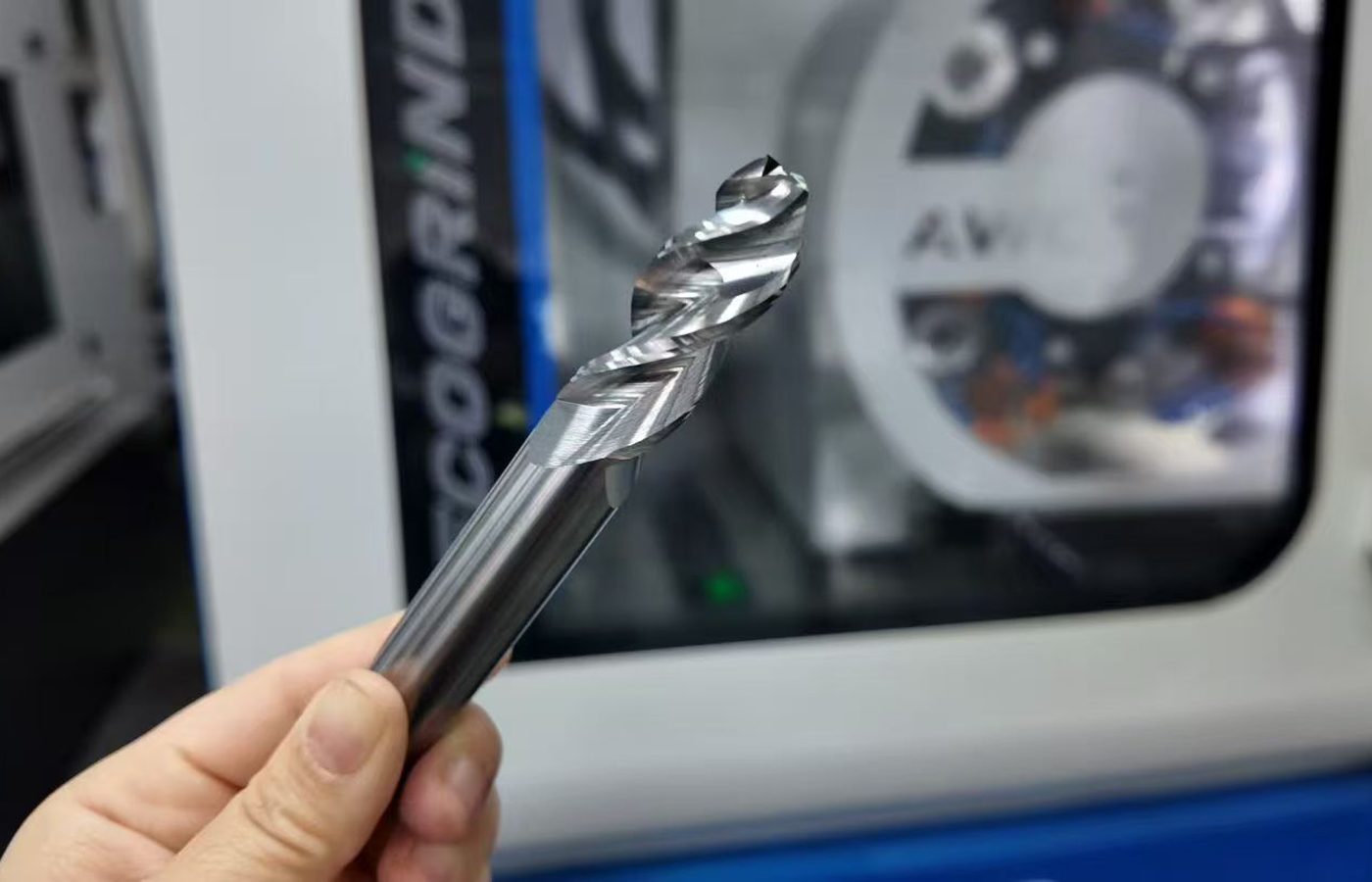
For removing stock before the final pass. State the allowance variation, interruptions and surface condition so the edge support and grade can be compared.
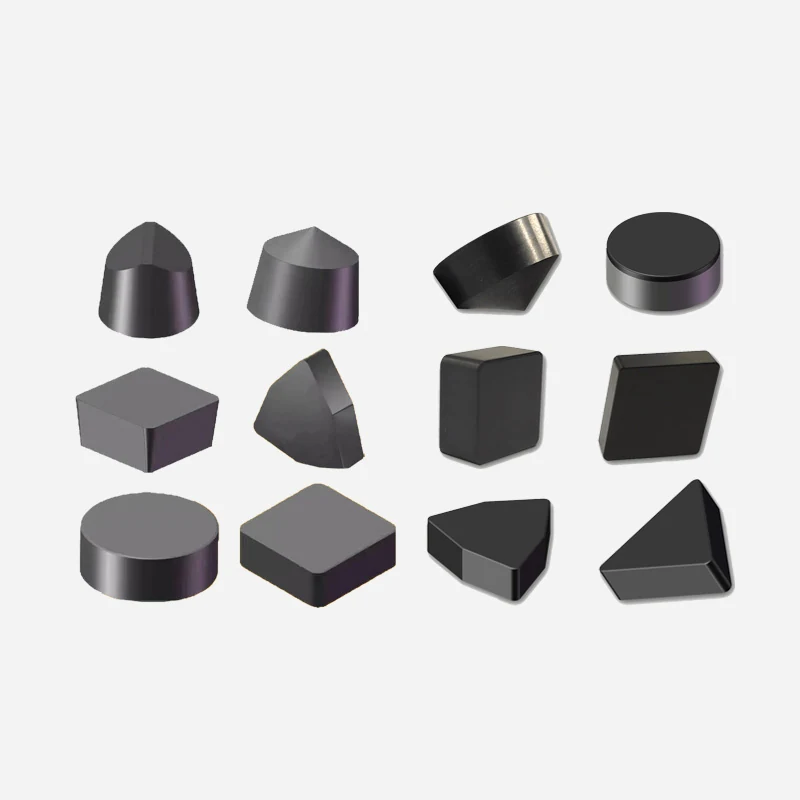
For a specified turning, milling, grooving or threading operation. Match the full insert form and cutting-edge details to the holder or cutter.
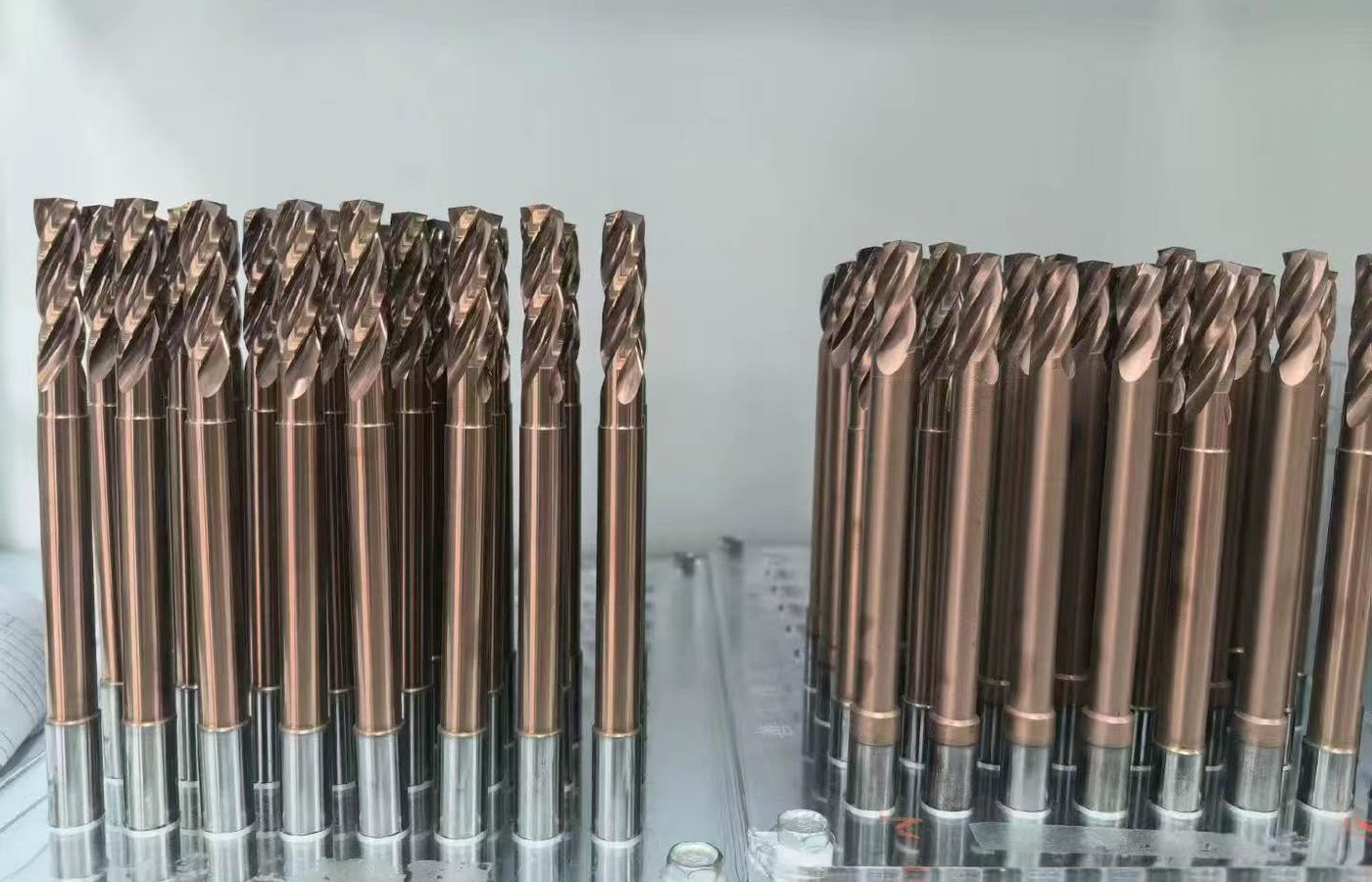
For a special profile, working reach or connection. Provide the controlled drawing and identify the cutting-material and edge requirements.
Compare the stock allowance, interruptions and finish requirement.
Compare PCBN Tool OptionsCBN is cubic boron nitride; PCBN describes its polycrystalline cutting material. A grade specification adds the binder and material details needed to distinguish available options.
A chamfer and hone change the edge that enters the workpiece. Keep their dimensions with the grade when comparing wear or chipping; changing the insert material alone may leave the cause unresolved.
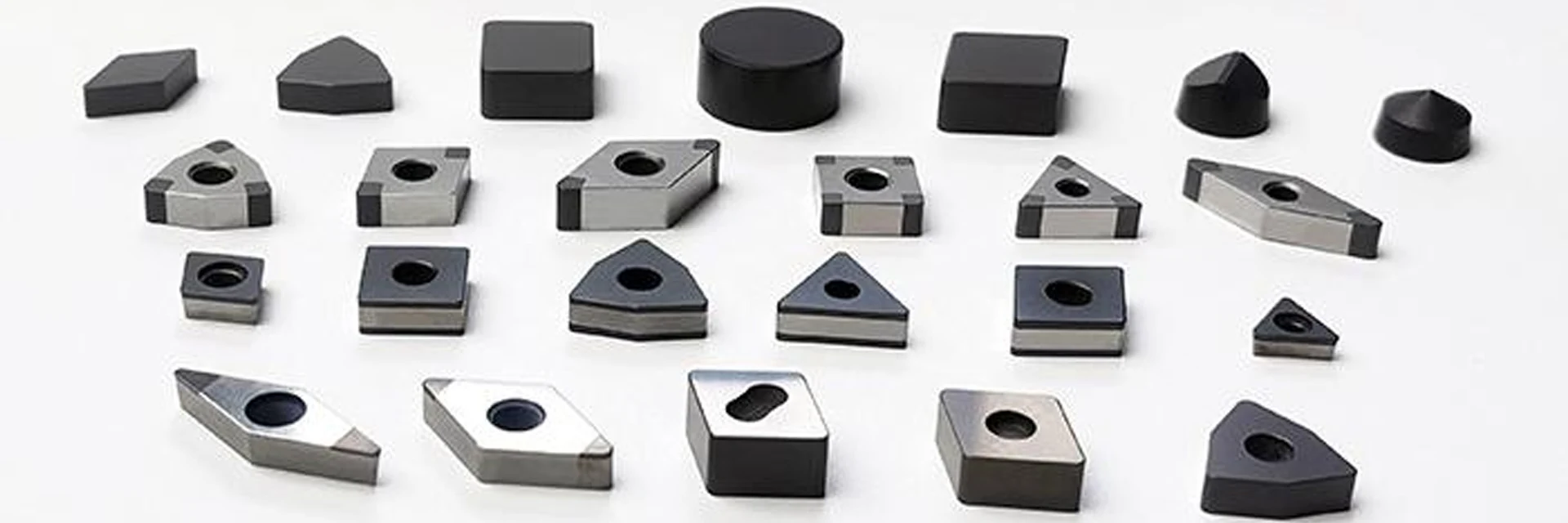
| Tool requirement | Cutting task | Select together | Detail that changes the choice |
|---|---|---|---|
| Finishing insert | Final dimension and surface | Grade, radius, edge preparation and feed. | Small allowance, part stiffness and surface limits. |
| Semi-finishing insert | Stock removal before finishing | Grade, supported edge and depth of cut. | Allowance variation, scale and interruptions. |
| Operation-specific insert | Turning, milling, grooving or threading | Full form, cutting direction and holder interface. | Feature access and entry or exit conditions. |
| Custom tool | Special profile or connection | Drawing revision, cutting material and edge geometry. | Critical tolerances, clearance and mounting. |
Keep grade and edge preparation with the holder and cutting conditions.
Check the PCBN ApplicationWorkpieces with similar hardness can place different demands on a cutting edge. Include material grade, heat treatment, scale, entry features and any interruptions along the cut.
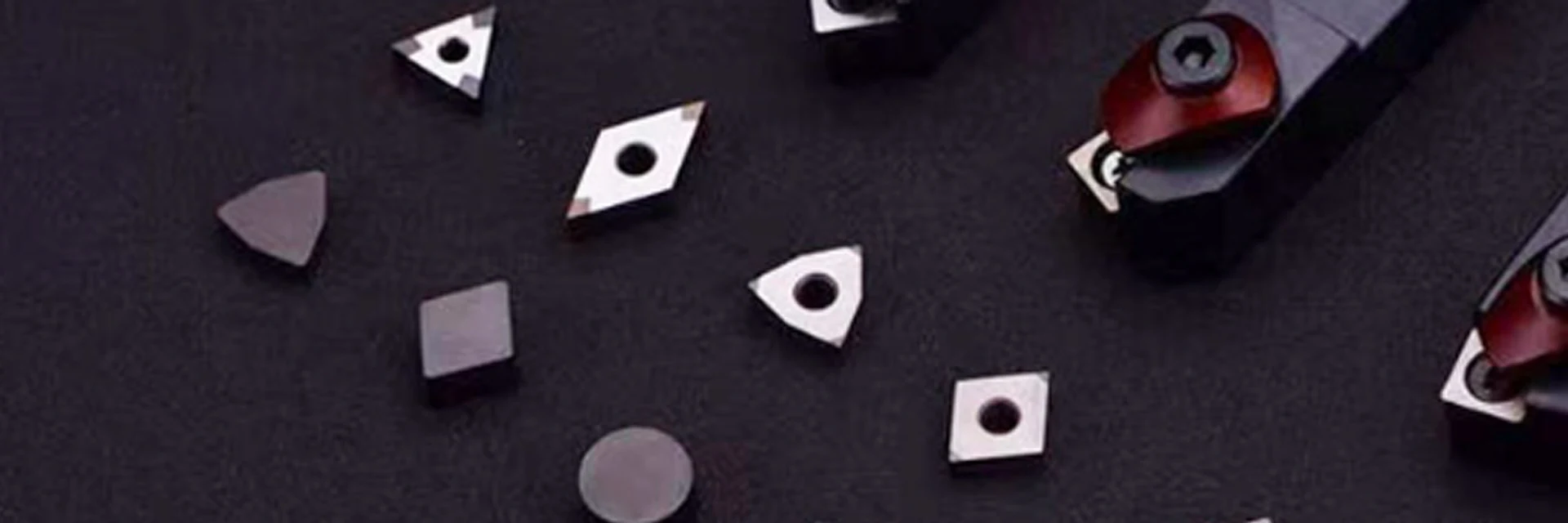
Compare the actual contact with the edge
Continuous turning and repeated entry through a keyway require different edge-loading assessments. Show the interruption size and spacing on the drawing.
For a replacement, retain the approved grade and edge preparation. If either changes, record the revised tool with the trial conditions and measurements.
Email the material condition and part section, including interruptions.
Discuss a CBN ApplicationThe YN grades have different workpiece and cutting-condition applications. Use the grade with the selected insert or tool geometry, rather than treating all PCBN edges alike.
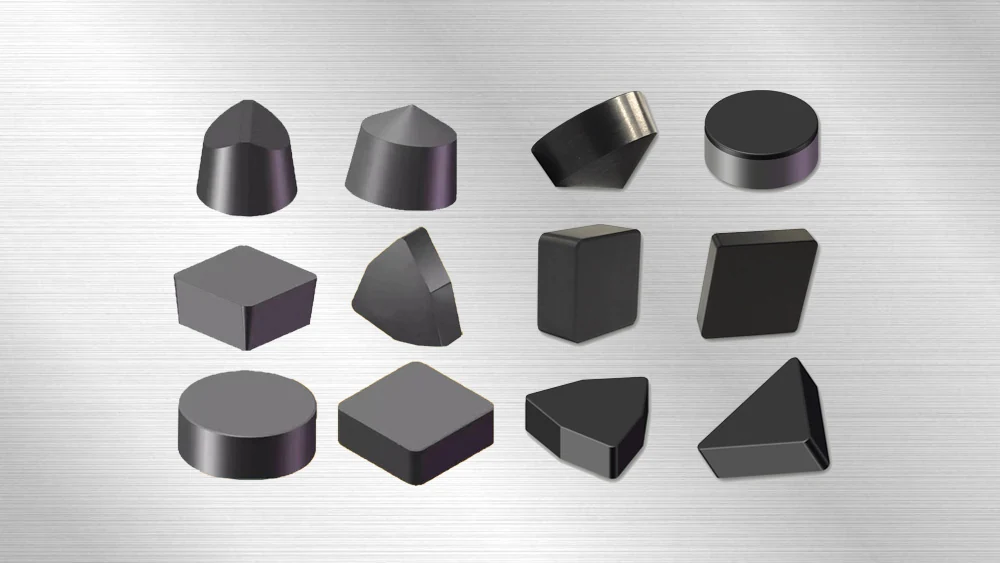
YN320 has a metallic binder and gray-cast-iron applications including HT200, HT250 and HT300. YN420 also has a metallic binder, with powder-metallurgy, tool-steel and die-steel applications.
A titanium-carbonitride-binder grade for continuous cutting of hardened steel. Include material hardness and the planned allowance with the tool geometry.
YN230 has a titanium-nitride binder and applications in interrupted or rough cutting of hardened steel. YN510 is an ultra-fine grade with a titanium-nitride binder for severe interrupted hardened-steel cutting.
A titanium-nitride-binder option with cast-iron and powder-metallurgy applications. Identify the exact workpiece condition and required operation before choosing the tool and edge.
Use the grade information with the full tool or insert drawing.
View CBN Tool DimensionsKeep insert dimensions, edge preparation and construction requirements with the tool reference. Define the finished-part size and surface limits independently.
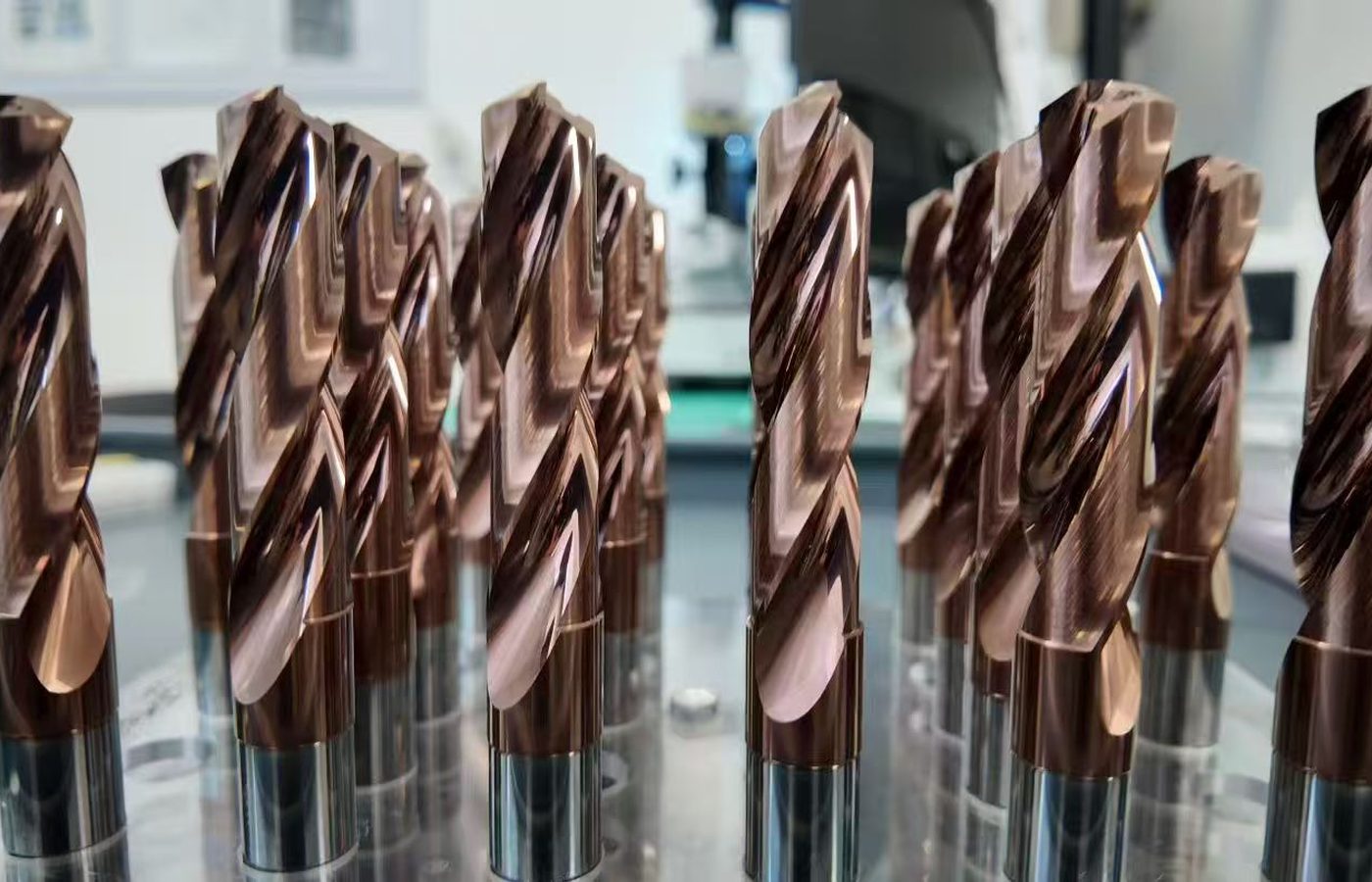
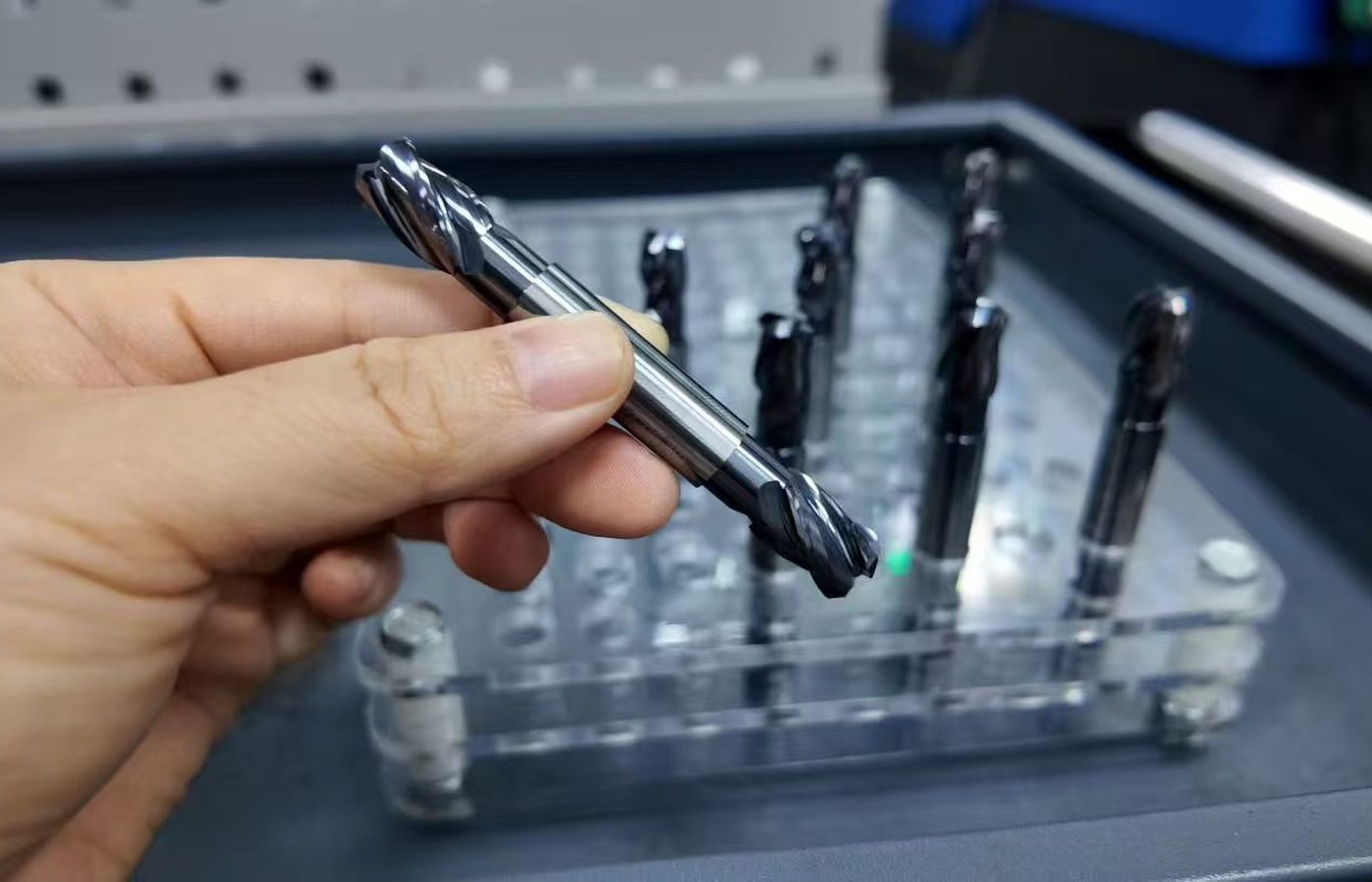
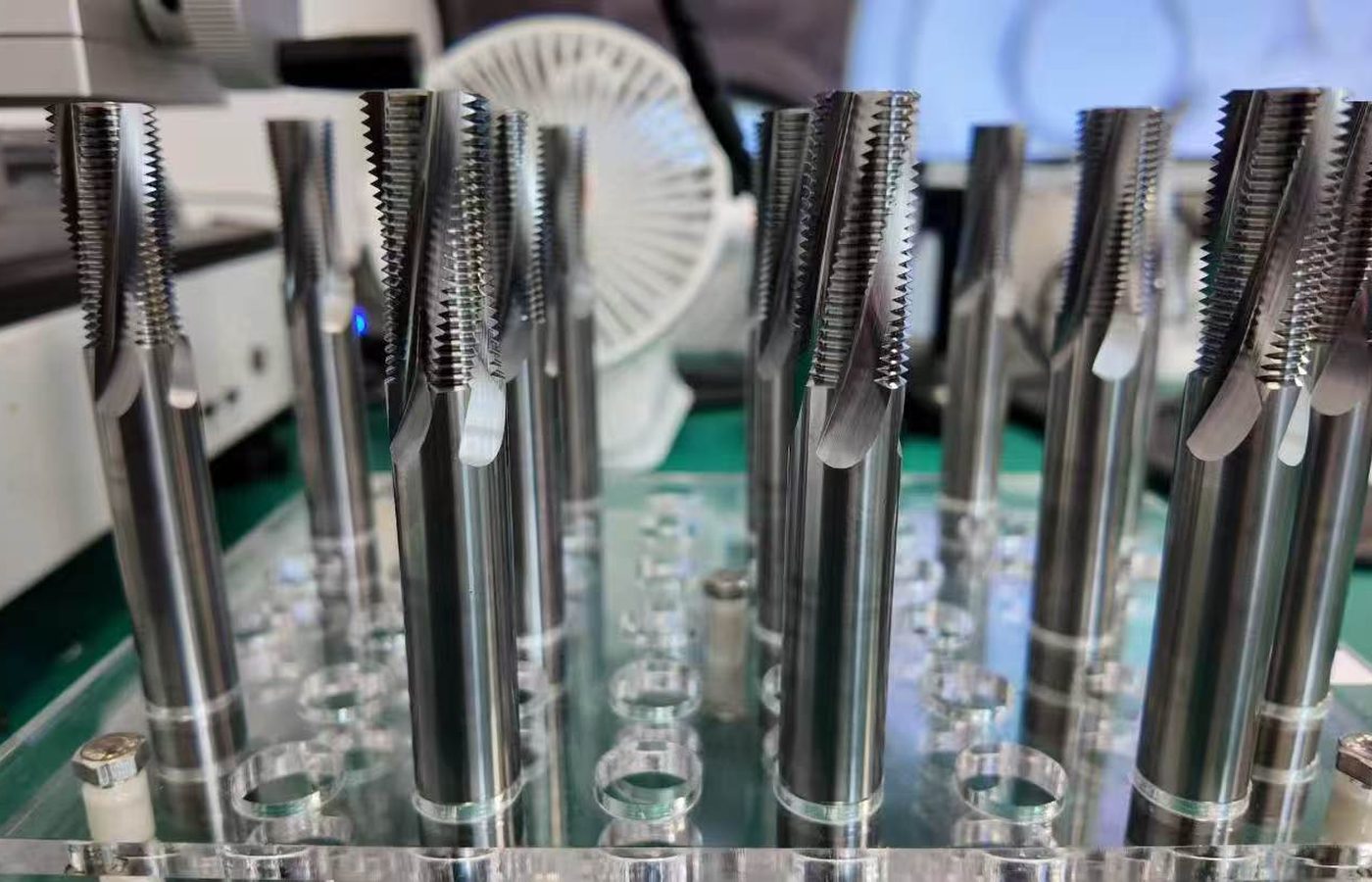
Specify insert size, supported cutting-edge dimensions, radius, chamfer and hone where required. For a special tool, identify the mounting and profile tolerances on the drawing.
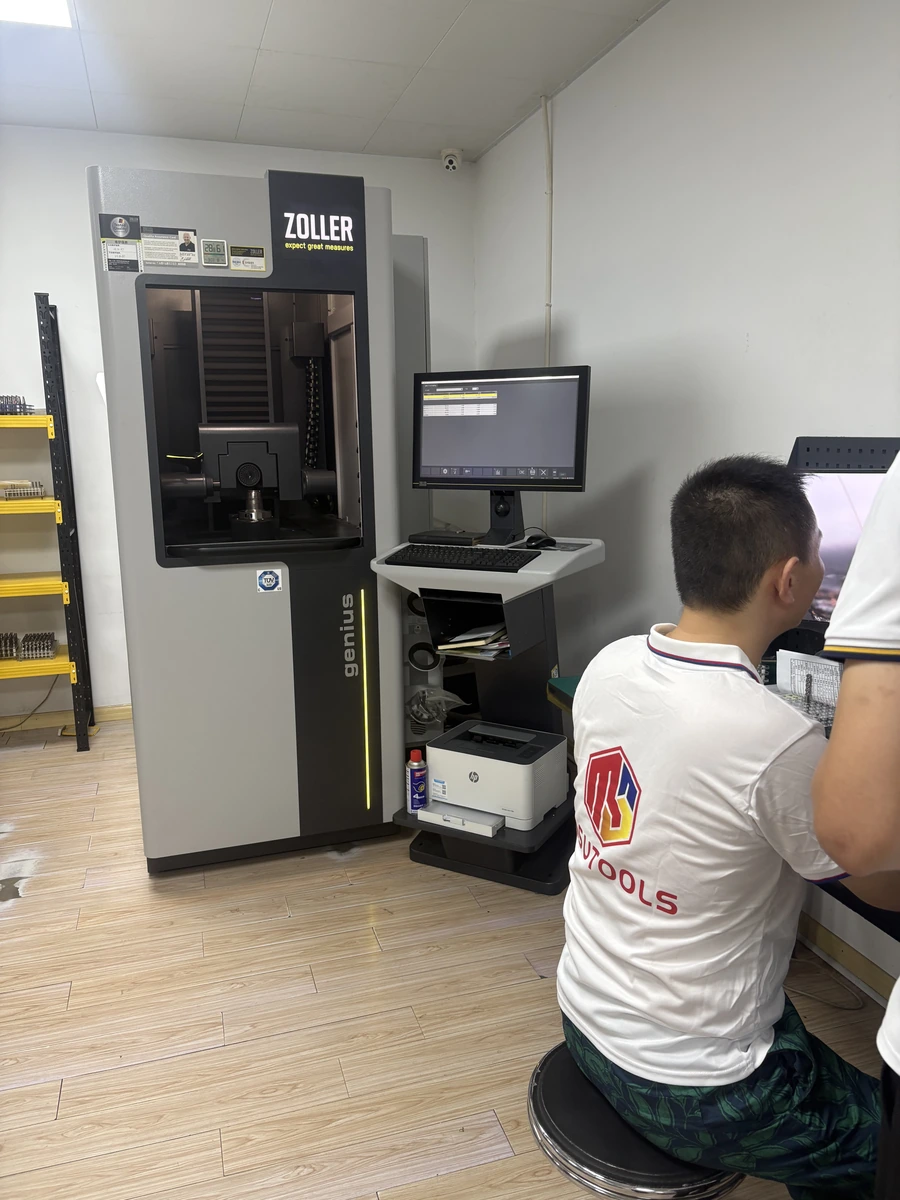
Specify any dimensional report, edge inspection or material identification record needed with the order. Agree the measured features and document scope before ordering.
For a machining trial, record the tool reference and cutting conditions with the measured part dimensions and surface finish. See Quality Control for available inspection information.
Specify the edge and dimensional measurements required with your order.
View Inspection InformationFor a repeat order, send the complete tool reference and quantity. For a new job, email the drawing and describe the feature or machining problem. Ordering and Delivery covers MOQ, payment and shipping. Tool drawings are available in Downloads.
Send the full tool code, grade and quantity, or email the drawing revision, material, hardness, allowance and interruption details.
MOQ is normally 5–10 pieces, confirmed for the selected product. Samples and sample freight are charged.
Availability, production and shipping timing are confirmed in the quotation. T/T deposit and balance terms are stated with the order.
Include the destination and required packaging. Delivery terms are agreed for the order.
If a tool or dimension is in question, retain the order reference, measurements and photos so the issue can be investigated.
Email Maria at maria@msutools.com or call/WhatsApp +86 13973369578. Send drawings and photos by email.
Confirm the tool reference or drawing revision with quantity and delivery.
View Ordering and DeliveryCBN is cubic boron nitride. PCBN is polycrystalline cubic boron nitride used as a cutting material. The specific grade and tool drawing define the material, binder, geometry and construction being ordered.
Include material grade, heat treatment, allowance, scale and continuous or interrupted contact. These conditions help distinguish grades even when the measured hardness is similar.
YN220 is a continuous-cutting option. YN230 addresses interrupted or rough cutting, and YN510 addresses severe interrupted conditions. Match the selected grade to the tool form, edge preparation and actual workpiece.
Record interruption size and spacing, entry direction, allowance, grade, chamfer and hone. Include tool seating, part support and cutting data to assess repeated edge loading.
Check the holder seat and complete dimensions, then select the PCBN grade and edge for the workpiece. Establish cutting conditions and part acceptance for the trial.
Email the dimensioned tool and part drawings, revision, interface, cutting-material requirement, quantity and operating conditions. Mark the critical profile and inspection requirements.