
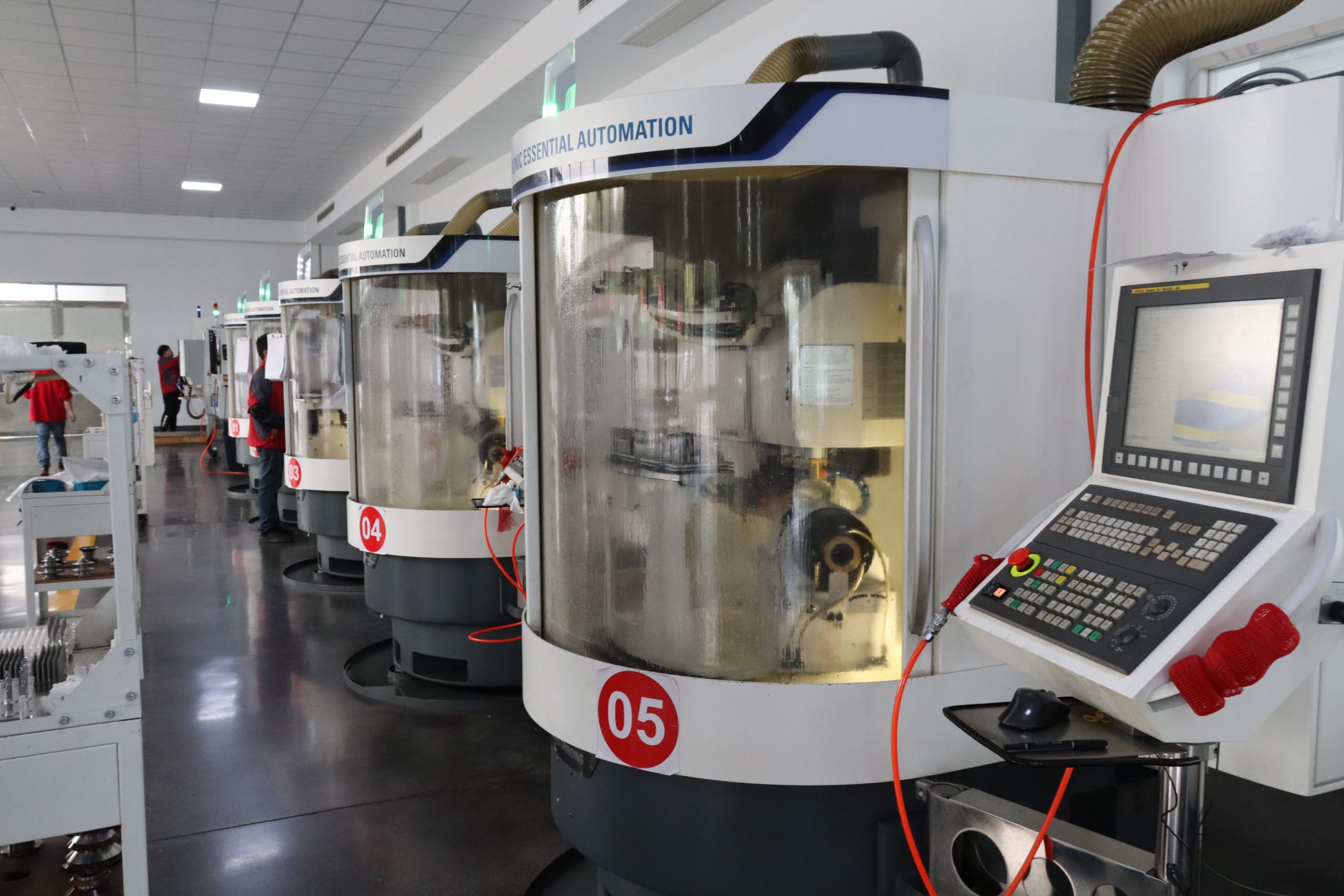
Cutting Tool Manufacturing at MSU
MSU operates a 3,000 m² cutting tool facility in Zhuzhou, China, with 11 production lines and 35 Walter and ANCA CNC tool grinding machines.
Discuss tool geometry, order quantity and inspection needs with us when planning a purchase. For a repeat order, the complete tool reference provides the starting specification.
Send a tool reference or drawing with the quantity and required date.
Discuss ProductionTools for Milling, Drilling and Turning
Compare cutting profiles, hole and thread dimensions, or insert geometry for the feature you need to machine.
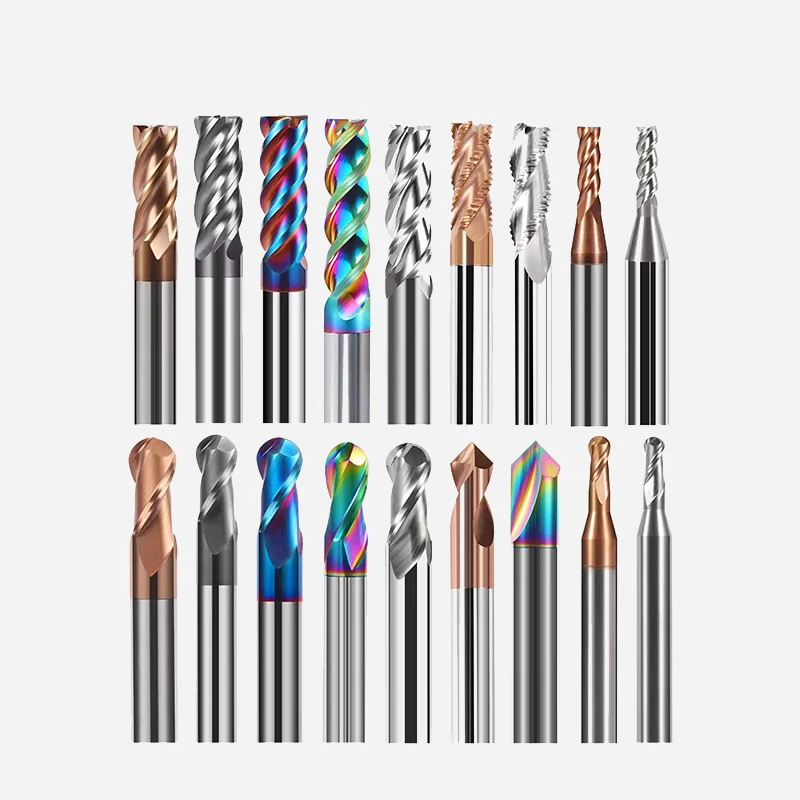
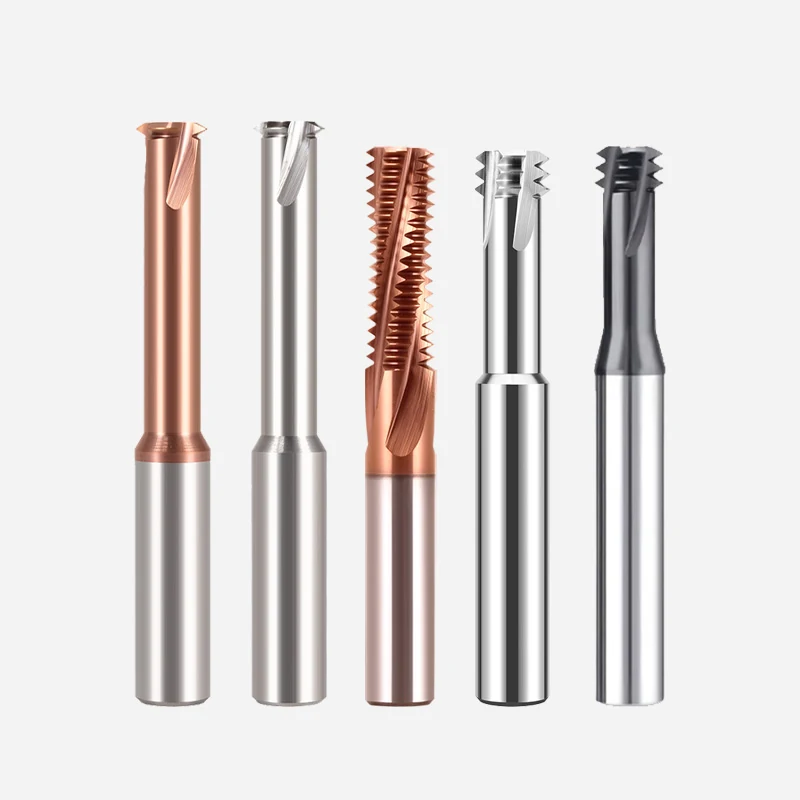
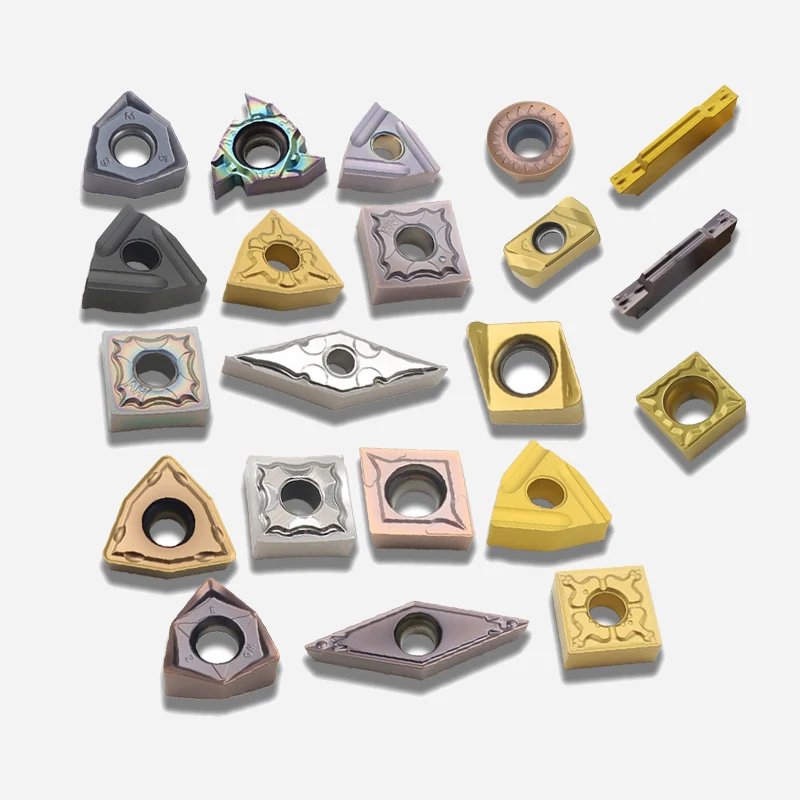
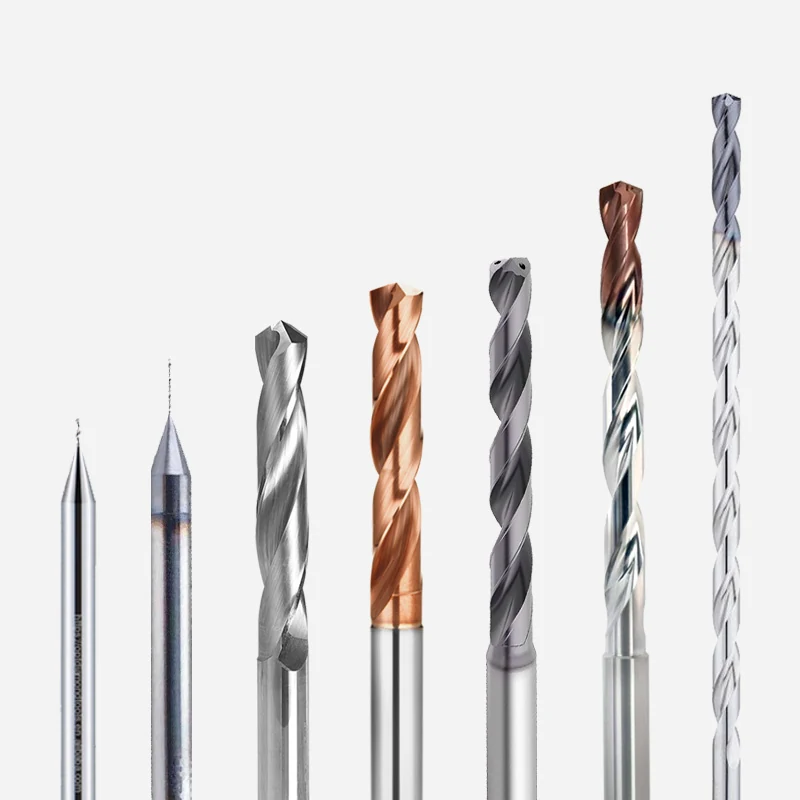
End mills shape surfaces and profiles; thread mills cut threads; holemaking tools drill or finish holes; inserts provide a replaceable cutting edge. Match tool geometry and mounting to the operation.
For toolholders, burrs and other cutting materials, compare the options in All Products.
Compare the tool types and dimensions for your machining operation.
Explore Cutting ToolsCNC Tool Grinding Equipment
CNC grinding forms the cutting edges and geometry of a tool. Diameter, cutting length and profile must follow the tool specification.
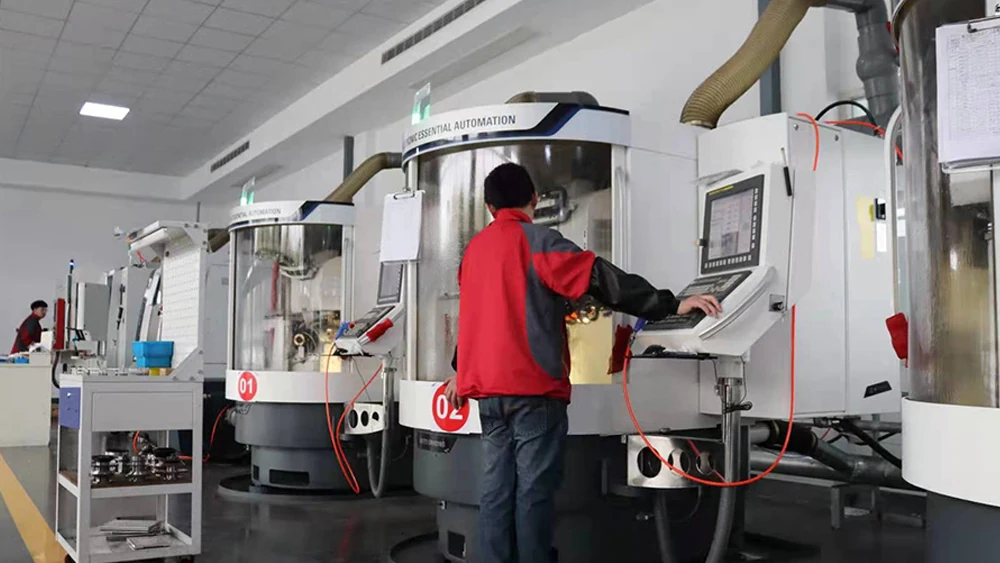
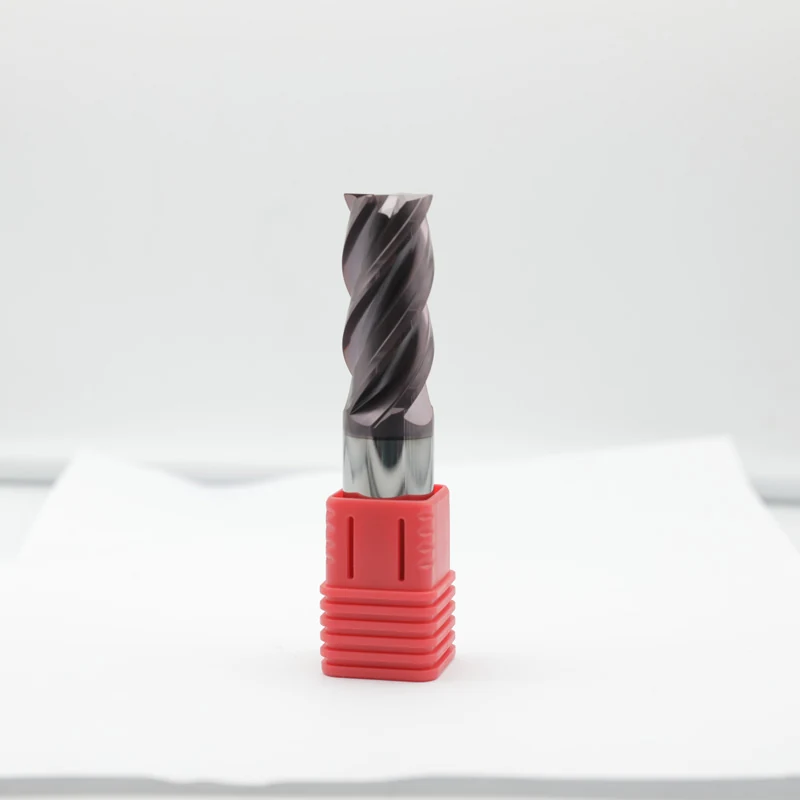
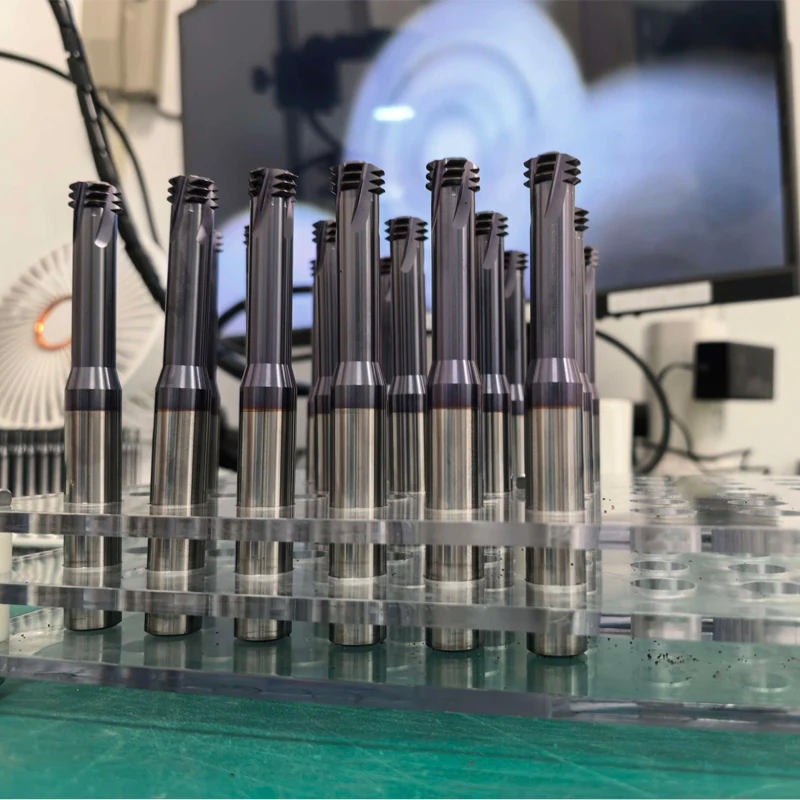
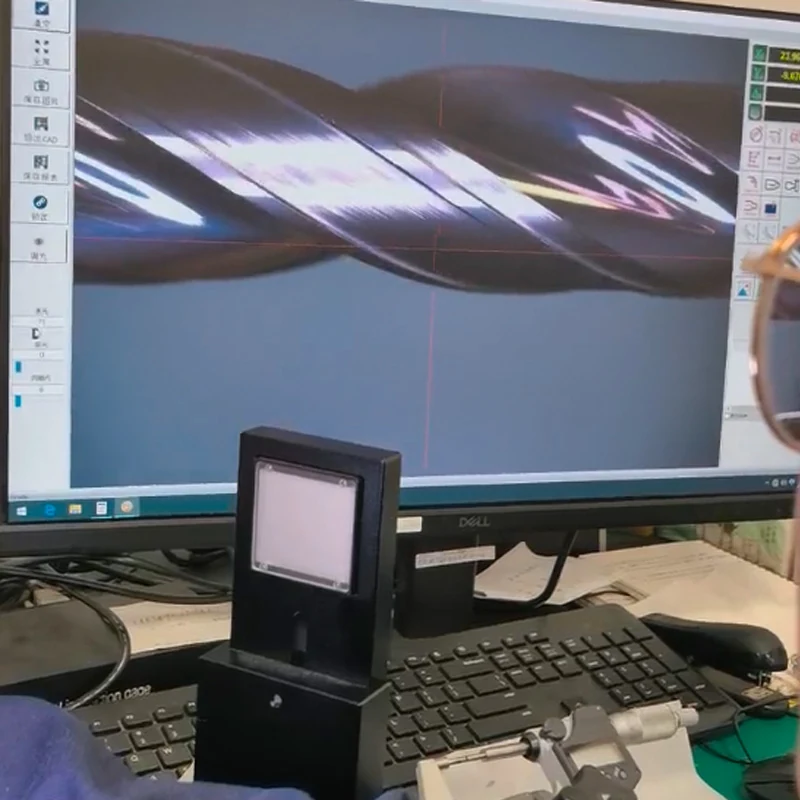
The factory has 35 Walter and ANCA CNC tool grinders. The equipment includes Walter HELITRONIC MICRO machines.
For a ground cutting tool, the drawing defines the diameter, cutting length, end geometry and other features to be produced. A special profile or tight clearance needs its own dimensions and tolerances.
For replacement tools, retain the complete reference. For a new geometry, mark critical dimensions and the surfaces that must clear the workpiece or holder.
Follow the specification, grinding and inspection steps for a tool.
See Production StepsFrom Tool Specification to Inspection
An established tool code identifies a repeat order. A custom tool starts with a drawing that defines the dimensions and cutting geometry.
-
Tool specification: use the complete tool code or a dimensioned drawing, including the revision for a custom design.
-
Geometry and material: identify the cutting profile, lengths, substrate or grade and coating requirements for the application.
-
Drawing approval: for a custom tool, MSU prepares a drawing for the customer to confirm before making the sample.
-
CNC grinding: tool grinders produce the cutting geometry. Dimensions and profiles follow the selected tool specification.
-
Measurement: check the required tool features against their specified dimensions and tolerances; agree any reports needed with the order.
-
Sample and order planning: confirm sample arrangements, quantities and production timing for the selected tool.
For the dimensions, measurement conditions and records to specify, see Quality Control. A machining trial should also record the workpiece, cutting conditions and finished-part result.
Identify critical dimensions and any measurement records needed with the order.
Review Quality Control
Production Capacity and Order Planning
MSU has a total production capacity of 300,000 pieces per month. The schedule for your order depends on the tool specification, quantity and current production plan.
The 300,000-piece monthly figure is the total capacity of the operation. The facility covers 3,000 m² and has 11 production lines.
A repeat order with an agreed specification and a new custom drawing require different preparation. Include the quantity, tool reference and required date so stock or production timing can be checked.
Confirm production and shipping dates with the quotation. Include the delivery destination, packaging and inspection requirements; see Ordering and Delivery for purchasing information.
Check sample, payment and delivery arrangements for your purchase.
View Ordering and DeliveryCustom Geometry and Sample Approval
A different reach, cutting profile or mounting dimension may call for a custom tool. Start with the part feature that a standard tool cannot reach or produce.
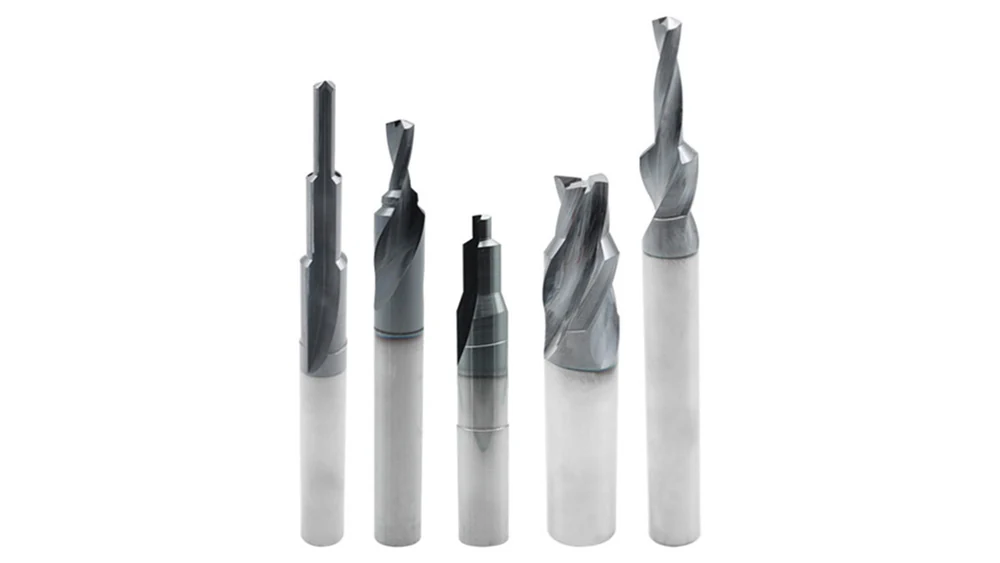
MSU works from customer drawings or samples to discuss special cutting-tool geometry. The part material, operation and available working space guide the design discussion.
Mark the dimensions that control the finished feature and those needed for clearance or mounting. Include a drawing revision so the sample and later orders refer to the same design.
- Part or tool drawing with revision
- Cutting profile and critical tolerances
- Cutting length and working reach
- Shank or tool connection
- Workpiece material and machining task
- Quantity and sample acceptance requirements
For a custom project, MSU prepares a drawing for customer confirmation before making samples. Agree the sample quantity, trial criteria and any dimensional report with the quotation.
For the details to send and the design discussion, see Custom Cutting Tools.
Email the drawing and explain the clearance or profile you need.
Discuss a Custom ToolFactory and Manufacturing Questions
Does monthly capacity mean my tool is in stock?
The 300,000-piece figure is total monthly production capacity. Availability and timing for a particular tool depend on its specification, quantity and current production plan. Confirm these details with the quotation.
How does a custom tool start?
Email a dimensioned drawing or describe the sample and application. MSU prepares a tool drawing for you to confirm before sample production. Agree the sample quantity and acceptance requirements for the project.
Can I request information for supplier qualification?
Yes. Send the company or equipment information your purchasing process needs and identify the relevant tool or project. Maria can confirm which documents can be provided.