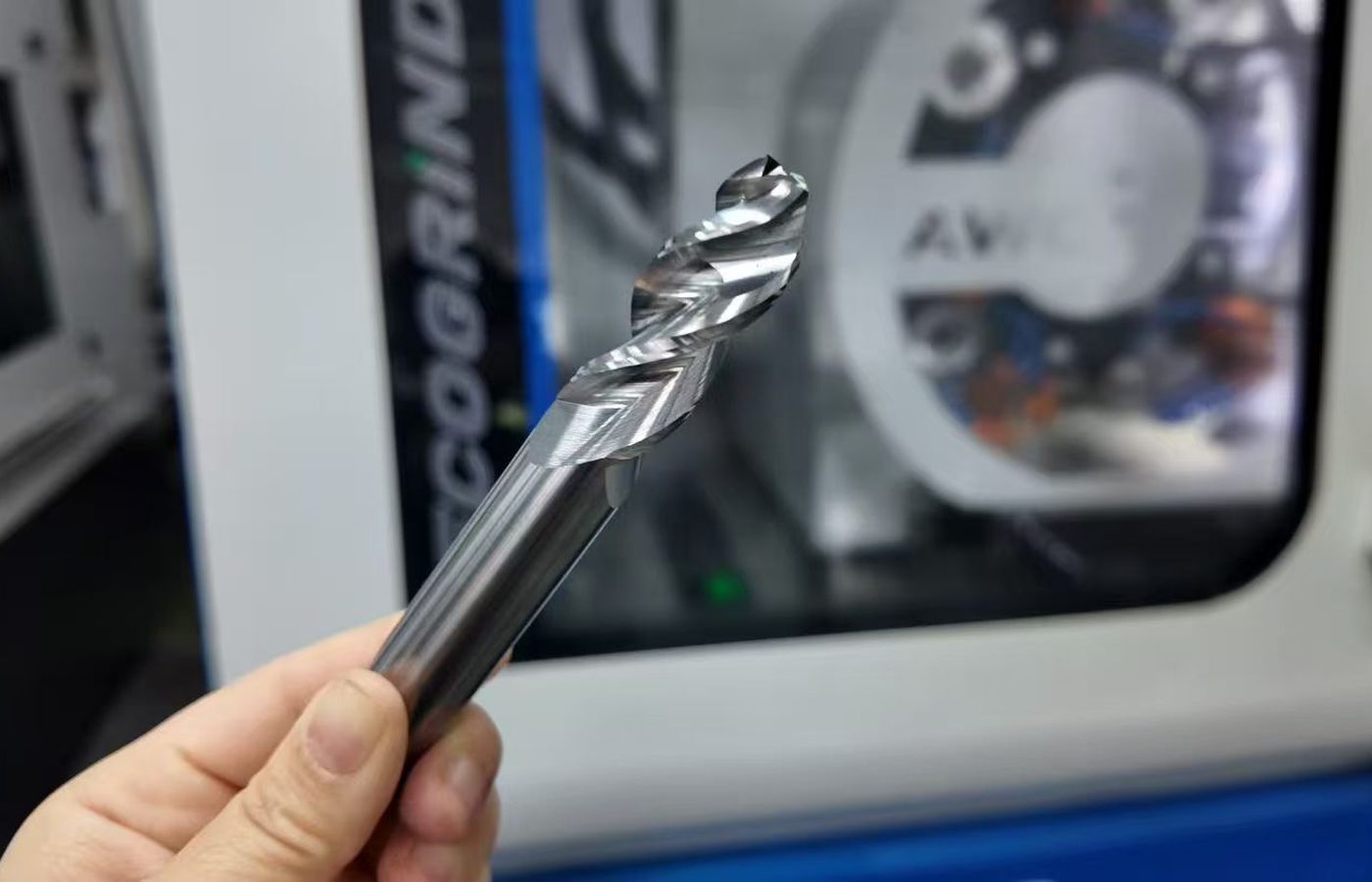
MSME4
Square End Mills
- Catalog diameter range
- 1-20 mm
- Catalog condition
- ZrN; unequal helix
- Review role
- Flat-end route for shoulders, walls, floors and other features requiring a square end.

Stainless Material and Application Review
Select an end mill for stainless steel by material category, condition, operation, feature and machine setup. Compare MSU’s MSM series, including square-end MSME4 and corner-radius MSMR4 catalog families.
Carbide end mills for stainless steel cannot be selected from a broad material name alone. Ferritic, martensitic, austenitic, precipitation-hardened and duplex categories are represented in the available starting data, but the exact customer grade and condition are still required. Titanium-alloy requirements belong on Titanium Alloy Milling.
Send the stainless grade, condition, operation, tool geometry and setup for an application-specific review.
Request a Stainless Steel ReviewProvide the exact stainless-steel designation or specification when known. Also state whether the workpiece is ferritic, martensitic, austenitic, precipitation-hardened or duplex, together with its supplied or heat-treated condition and available hardness information.
For 304, 316 or another stainless grade, submit the exact designation and machining conditions so MSU can match the material to the relevant category.
Confirm the stainless category and operation before comparing the MSM end-form routes.
Compare Stainless Steel FamiliesCompare MSME4 and MSMR4 for stainless steel milling. Select the final tool using the exact grade, workpiece feature, geometry and machining conditions.
MSME4
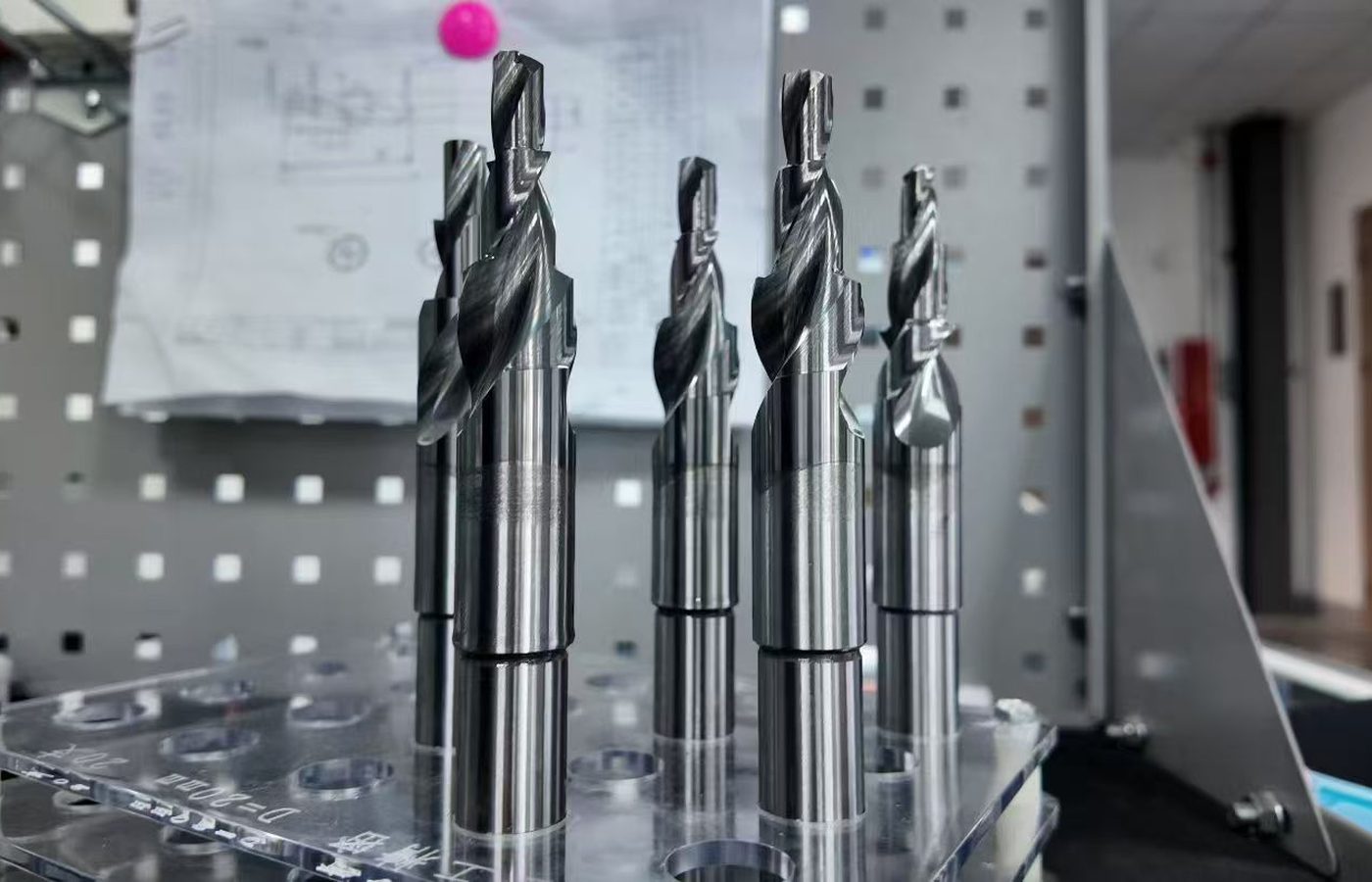
MSMR4
| Family | End form | Catalog diameter range | Catalog condition | Review role |
|---|---|---|---|---|
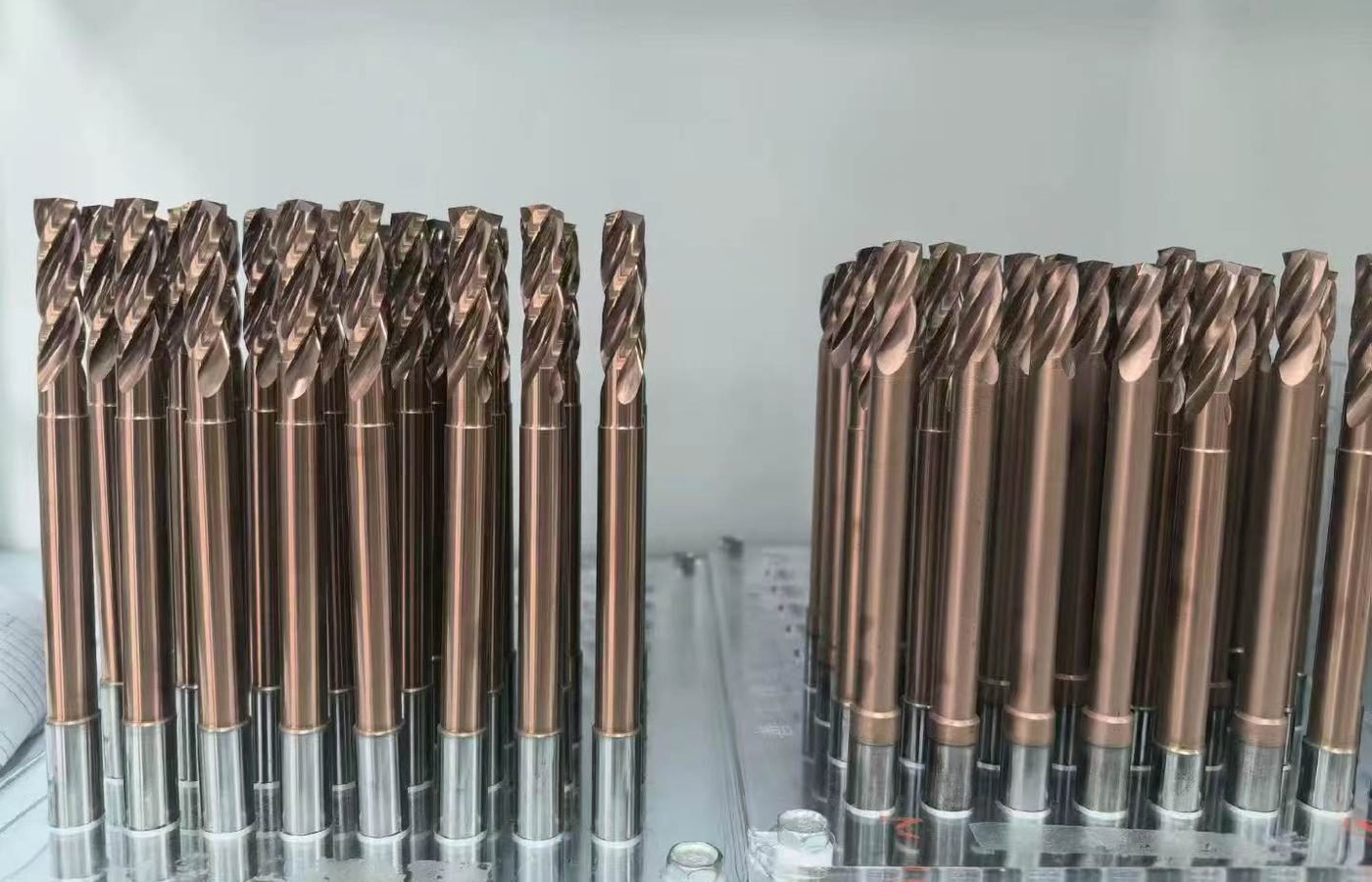
| MSME4 | Square End Mills | 1-20 mm | ZrN; unequal helix | Flat-end route for shoulders, walls, floors and other features requiring a square end. |
| MSMR4 | Corner Radius End Mills | 2-16 mm | ZrN; unequal helix | Corner-radius route where the tool-end radius is specified. |
Use MSME4 or MSMR4 as the initial geometry route, then compare the available material conditions.
Review Stainless Steel Selection FactorsThe following MSM values are starting points for shoulder milling (finishing), Ap = 1.5 D and Ae = 0.03 D. Cutter diameters are 2, 4, 6, 8, 10, 12, 16 and 20 mm. Each fz sequence follows that diameter order and is stated in mm/tooth.
| Stainless category | Subtype | Condition | HB | Vc (m/min) | fz by listed diameter (mm/tooth) |
|---|---|---|---|---|---|
| Stainless steel | Ferritic / martensitic | Annealed | 200 | 90-150 | 0.041, 0.067, 0.092, 0.116, 0.143, 0.168, 0.218, 0.270 |
| Stainless steel | Martensitic | Quenched and tempered | 330 | 60-100 | 0.036, 0.058, 0.079, 0.101, 0.124, 0.146, 0.189, 0.234 |
| Stainless steel | Austenitic | Solution treated | 200 | 90-150 | 0.042, 0.067, 0.093, 0.118, 0.142, 0.168, 0.220, 0.288 |
| Stainless steel | Austenitic, precipitation-hardened stainless steel (PH) | Not specified | 300 | 65-95 | 0.034, 0.054, 0.074, 0.094, 0.114, 0.134, 0.176, 0.230 |
| Stainless steel | Austenitic-ferritic, duplex stainless steel | Not specified | 230 | 90-130 | 0.040, 0.064, 0.088, 0.112, 0.135, 0.160, 0.209, 0.274 |
Use these values only when the customer material can be matched to the listed category and the operation and engagement are comparable. Confirm the exact product code, end form, grade, condition, hardness, machine, holder, runout, overhang, workholding, coolant and chip evacuation. Start conservatively and validate the result under verified shop conditions.
For 304, 316 or another specific grade, match the exact designation and condition to the starting data before use. Evaluate tool life, finish and accuracy in the actual setup. Review the End Mill Selection Guide, End Mill Coating Guide and End Mill Flute Count Guide for related selection factors.
Send the exact stainless grade and setup before a starting value is applied to a specific MSM tool.
Send Stainless Steel ConditionsCompare MSME4 and MSMR4 catalog ranges, then select starting conditions using the listed stainless category, condition and machining operation.
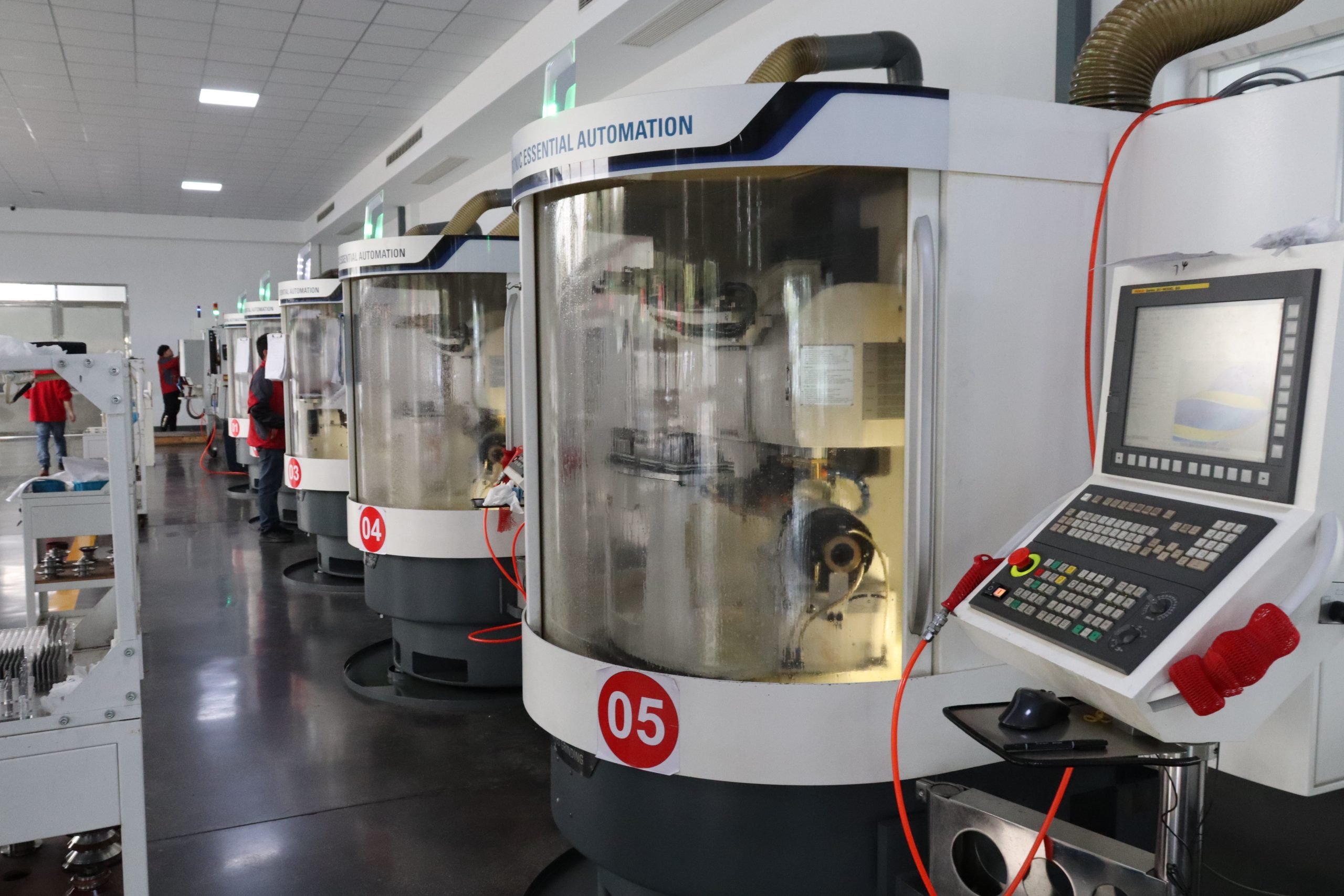
MSME4 and MSMR4 provide square-end and corner-radius routes within their listed diameter ranges. The exact family and product code must be confirmed before quotation or use.
Match the exact stainless grade, including 304 or 316 where applicable, to the starting-data category and condition. The parameters are for the MSM series; adjust them for the selected square-end or corner-radius tool and setup. Coolant, chip control, tool life, finish and accuracy need to be assessed under the actual machining conditions.
Review Factory for MSU manufacturing and Quality Control for inspection requirements. Use Downloads to check the family and complete product code before requesting a quotation.
Verify the current catalog code and preserve the stainless category and operating conditions during application review.
View End Mill CatalogsCompare standard MSM geometry and dimensions with your drawing, or submit the required changes for custom review.
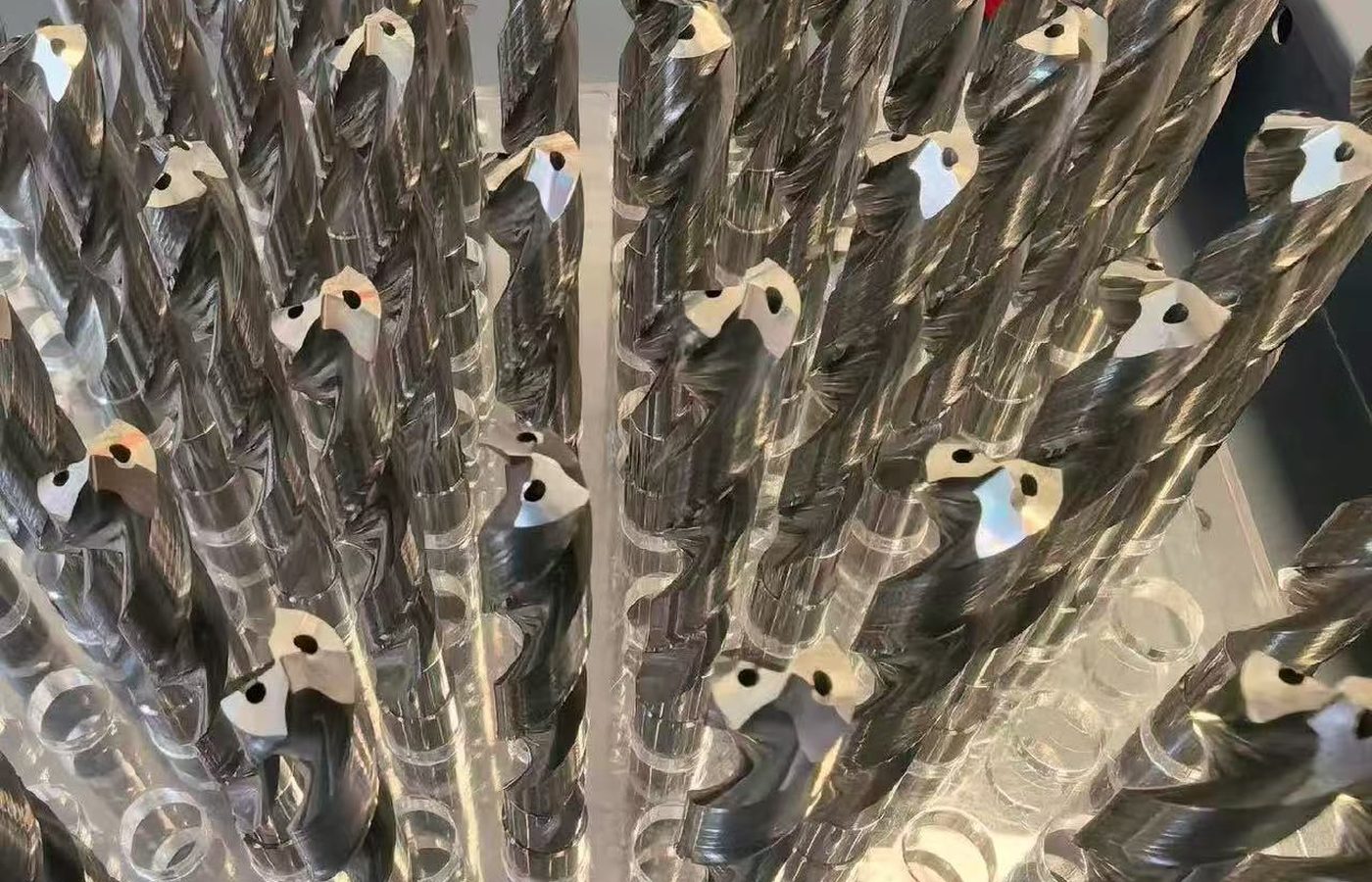
Use a standard MSM product when the required end form, diameter, flute length, reach, corner radius and other dimensions match a current catalog code. Include the complete code and material requirement on the inquiry.
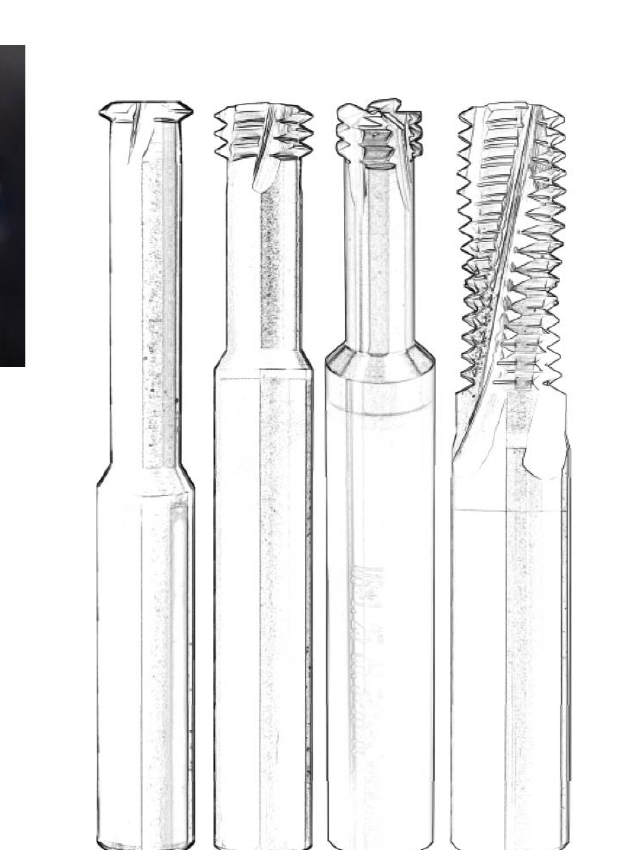
Use Custom Cutting Tools when the required diameter, length, reach, end geometry, corner radius, chamfer, flute count, helix, substrate or coating differs from catalog options. Submit a dimensioned drawing with critical dimensions and tolerances so MSU can assess feasibility.
MOQ is normally 5-10 pieces and is confirmed by product and quotation. Samples are chargeable, and sample freight is paid by the customer. Completion of the whole order is guaranteed within 25–30 days from order placement. T/T stages, packaging and EXW, FOB, CIF or DDP terms are confirmed in the quotation or order. See Ordering and Delivery for the shared commercial process.
Use the custom review route when the standard MSM product dimensions or geometry do not match the application.
Review Custom Cutting ToolsThe available data includes ferritic/martensitic, martensitic, austenitic, precipitation-hardened and duplex categories. The exact customer grade must still be matched before use.
MSME4 and MSMR4 are the primary families to compare for stainless steel milling. Other series require a separate review of the material, operation and setup.
Match the exact 304 or 316 designation, condition, hardness and setup to the starting-data category before use.
No. They are MSM series-level starting points and must be calibrated to the exact product code and geometry.
State the coolant or air method, delivery direction, machine enclosure limits and observed chip behavior. These details help select conditions for the tool and setup.
Yes. Send tool and workpiece photographs, the current product code, material, engagement, speed, feed, holder and observed result. These details help MSU assess the wear, built-up edge or finish problem.
Yes. Submit the complete geometry or drawing, material and condition, operation, quantity and acceptance requirements for feasibility review.