
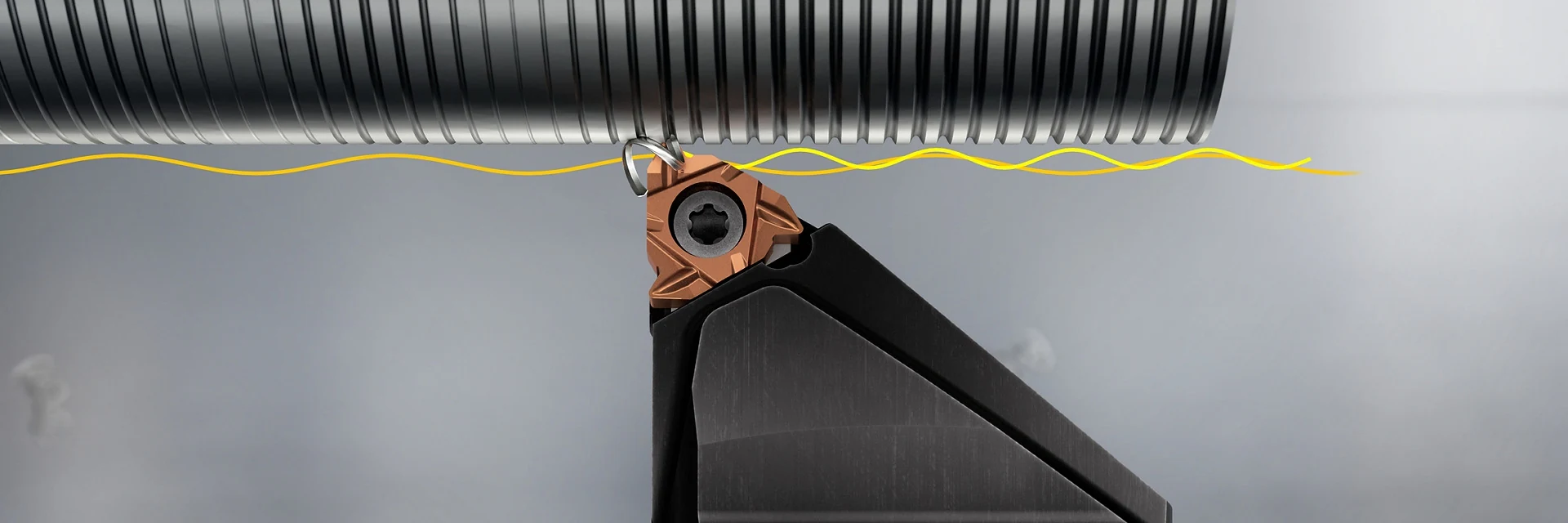
Threading Inserts
Choose carbide threading inserts for thread turning, whirling and insert-based thread milling, including oil-pipe thread applications. Start with the thread callout and the machining method used to produce it.
Match the standard, pitch or TPI, internal or external position and required hand. Then check the insert style and dimensions against the holder, whirling head or milling cutter.
Email the thread drawing and tooling reference, or send the complete insert code for a repeat order.
Find a Threading InsertMatch the Insert to the Threading Method
The same thread specification can require different inserts for turning, whirling and milling. Select the machining method before comparing the insert connection.
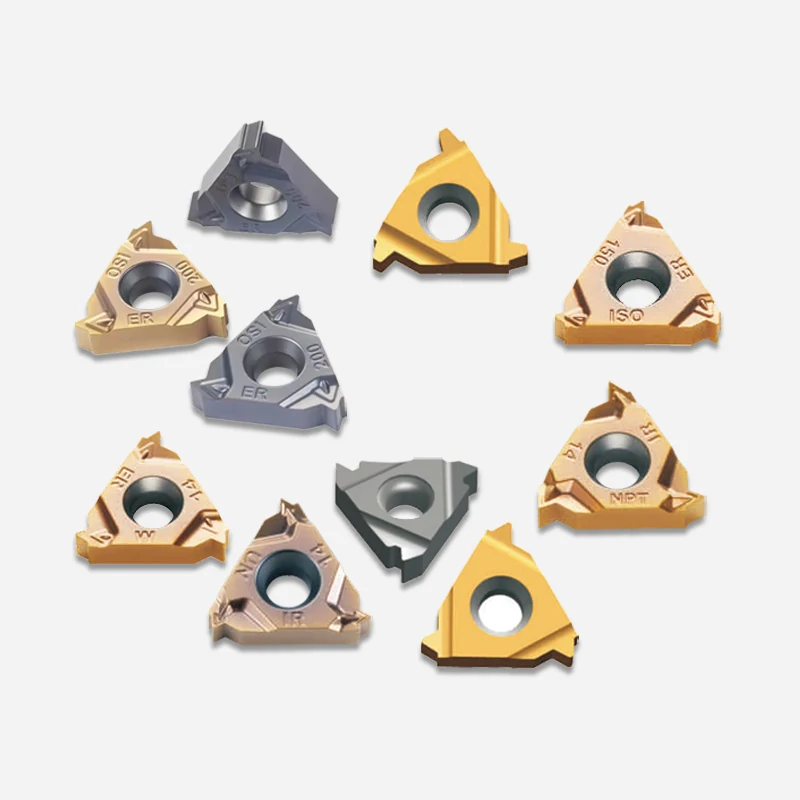
Compare profile, pitch and tool hand before selecting an insert size.
Compare Threading RequirementsChoose the Profile and Pitch
A full-profile insert is made for a specific thread form and pitch. A partial-profile insert covers a defined pitch range, while the thread crest diameter needs separate preparation.
| Selection factor | What to specify | Why it matters |
|---|---|---|
| Thread standard | The complete drawing callout | Similar names can describe different profiles and inspection requirements. |
| Full or partial profile | Required form and pitch | Determines which parts of the thread profile the edge produces. |
| Pitch or TPI | Metric pitch in mm or threads per inch | Identifies the spacing; include the unit. |
| Internal or external | Thread location and diameter | Changes access, insert form and holder choice. |
| Thread hand | Required finished thread direction | Must be considered with tool hand, mounting and feed direction. |
| Machining method | Turning, whirling or thread milling | Determines the type of tool connection. |
| Insert style and size | Full designation and dimensions | Matches the pocket, support and clamping. |
| Thread-end clearance | Relief, shoulder position and usable length | Determines room for the cutting edge and tool movement. |
| Material and grade | Workpiece grade, hardness and insert grade | Sets the basis for choosing an edge and cutting conditions. |
| Tooling reference | Holder, bar, whirling-head or cutter code | Keeps the insert selection tied to the installed system. |
An R or L in an insert designation identifies tool hand in that coding system. Check it with the mounting orientation and feed direction when producing a right- or left-hand thread.
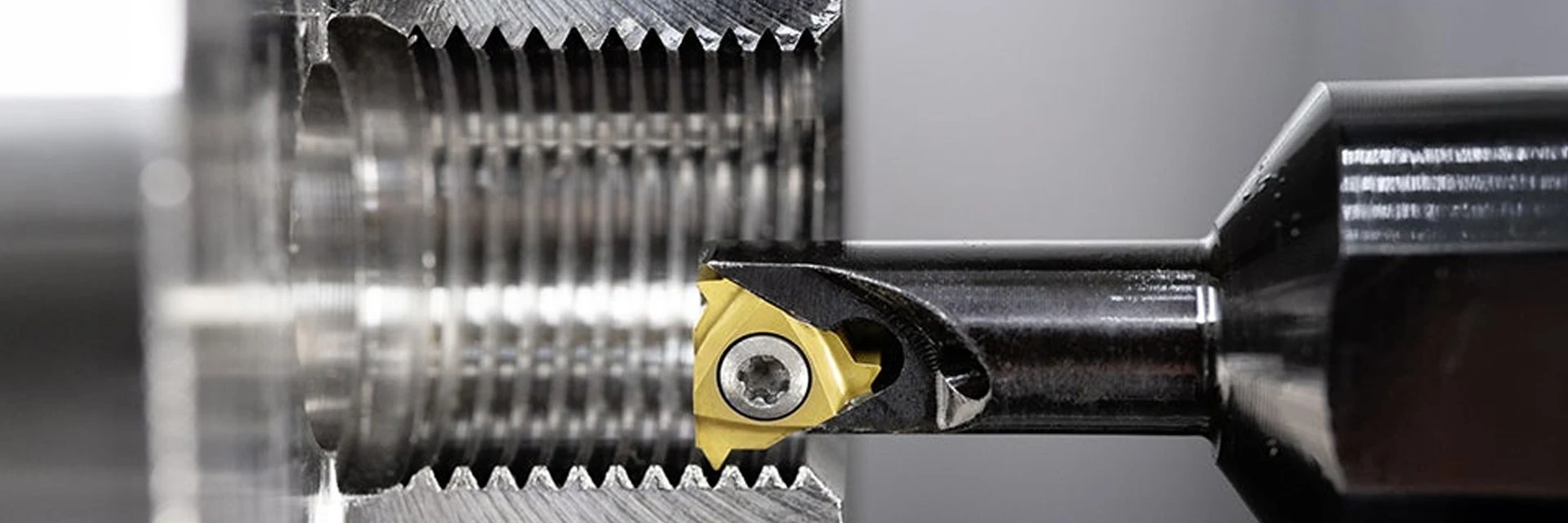
Use the thread drawing to check the profile and the space available at each end.
Check the Threading SetupWork from the Complete Thread Drawing
A pitch value alone leaves the profile, fit and inspection requirements unresolved. Keep the complete callout with the tool reference when requesting a replacement or a new selection.
- Thread calloutProvide standard, nominal size, pitch or TPI, tolerance class and thread hand.
- Feature geometryShow thread length, internal or external position, reliefs and nearby shoulders.
- Tool connectionIdentify the turning holder, boring bar, whirling head or milling cutter.
- Insert detailsKeep the size, style, profile suffix and grade from the existing designation.
- Material and processState material grade, hardness, coolant and the current machining method.
- AcceptanceIdentify the gauge or measurement requirement and describe any current thread defect.
Email the full thread callout and part section, including the thread-end detail.
Discuss a Threading JobCompare Thread Forms and Insert Styles
Choose the named thread form first, then the pitch and matching insert style. A shared pitch does not make different thread forms interchangeable. Match the complete callout and tooling dimensions.
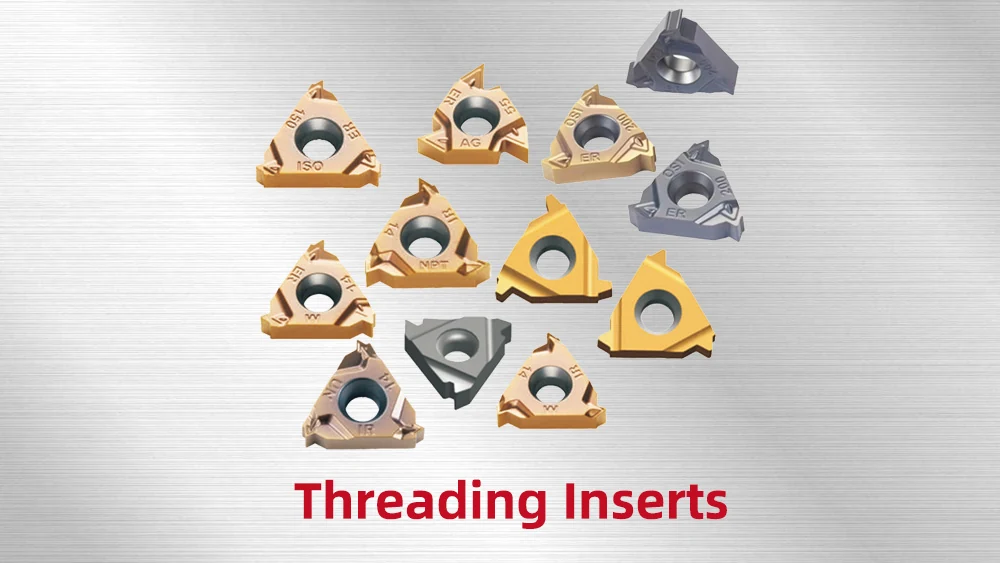
Thread Turning
Partial and full profiles60° partial profile. Select the pitch range and prepare the thread crest diameter separately.
55° partial profile. Match the specified angle and pitch range; it is a different form from 60°.
Metric full profile with pitch stated in millimeters. Example: 16ER1.5ISO for an external 1.5 mm-pitch thread.
60° Unified full profile. Use the required TPI and internal or external designation.
Use the complete UNJ callout and its profile requirements; keep the required root form with the drawing.
55° Whitworth full profile. Identify the exact thread callout and TPI before choosing the size.
Specify NPTF dry-seal form explicitly, with TPI and internal or external position.
Specify NPT pipe-thread form, TPI and the required taper from the drawing.
55° BSPT pipe-thread form. Keep the BSPT callout with the TPI and taper requirement.
29° ACME profile. Match TPI, internal or external form and the required tolerance class.
29° Stub ACME profile. Retain the STACME designation when ordering this thread form.
30° metric trapezoidal profile to the specified DIN 103 callout. Pitch is in millimeters.
American buttress profile. Match the asymmetric flank form and TPI to the connection drawing.
British buttress profile. Keep the British buttress callout when comparing an existing insert.
DIN 513 buttress profile. Select the metric pitch and internal or external form.
Round thread form identified by DIN 405. Use the required TPI and profile drawing.
Round thread form identified by DIN 20400. Select metric pitch and insert style together.
Pg form identified by DIN 40430. Keep both the Pg size and TPI with the insert reference.
55° and 60° V-style partial-profile designs. Select the pitch range and tip radius for the required form.
Thread Whirling
Whirling-head fit60° partial-profile whirling inserts include SV1906, SV1604 and SV0903. Match their dimensions to the whirling-head pocket.
Thread Milling Inserts
Milling-cutter fitReplaceable thread-milling inserts for ISO, UN, W, NPTF, NPT and BSPT forms. Insert length and thickness must match the cutter.
Oil-Pipe API
Line, round and buttressAPI line-thread inserts. Specify the connection callout, TPI, taper and exact tool system.
API round-thread inserts. Match the required round profile and the machine’s insert mounting arrangement.
API buttress inserts. Match the connection profile, taper and complete insert style to the tooling.
Keep the profile and tool fit together
- Full thread callout and pitch units
- Internal or external position
- Thread hand and tool hand
- Complete insert designation and grade
- Holder, head or cutter reference
- Required thread inspection
Find profile drawings and dimensions in Downloads. For a 16ER1.5ISO replacement, retain the full designation and selected grade; other 1.5 mm-pitch inserts may use different seating geometry.
Use the dimension drawing and full designation to identify the insert you need.
View Insert DimensionsCheck the Profile and Finished Thread
Define the required profile and thread acceptance before the trial. State the gauge, tolerance class or measurement method specified for the component.
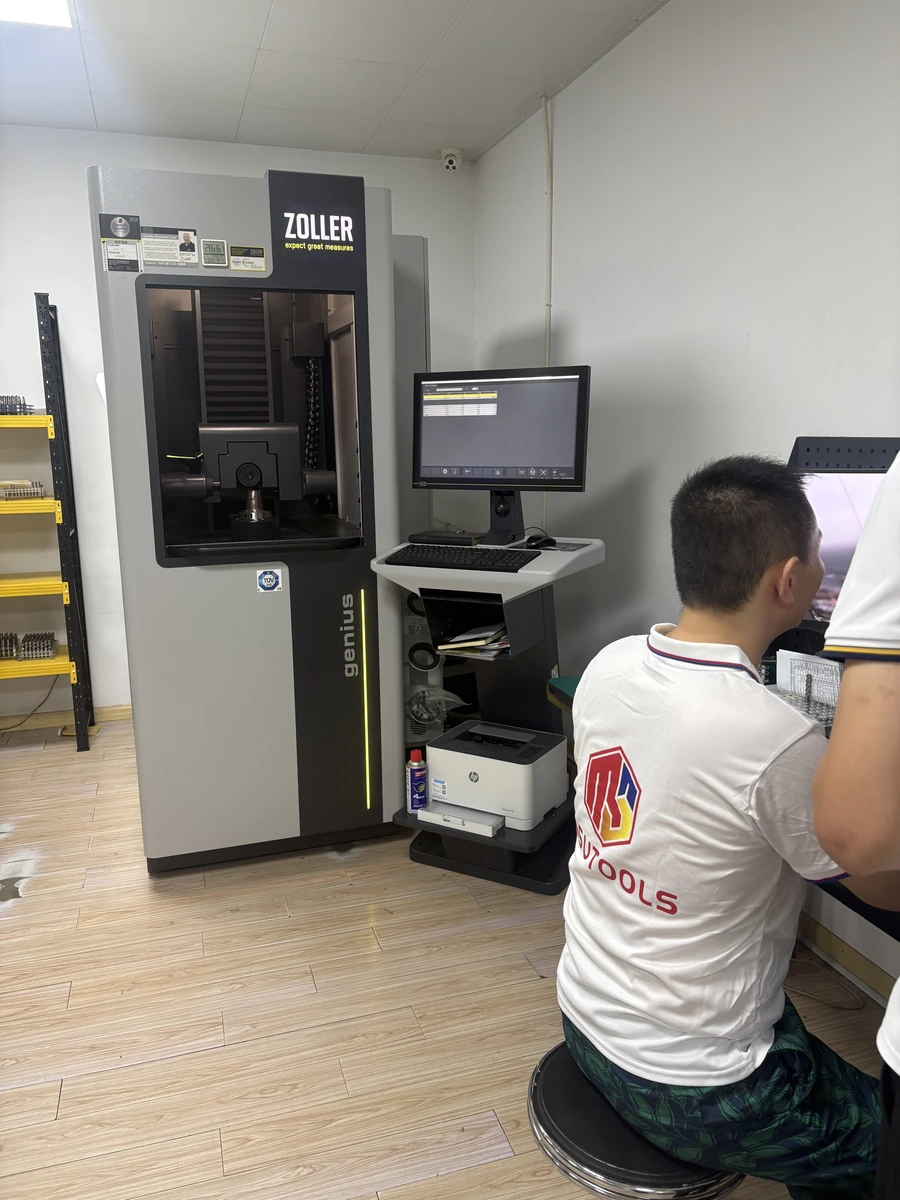
See MSU Factory and Quality Control for equipment and tool-measurement information.
Keep the insert and tooling references with the inspection result. A failed gauge check needs the actual thread callout and machining conditions for diagnosis.
State any insert measurements and inspection records required before ordering.
View Inspection InformationOrder a Replacement or Discuss a Drawing
For a repeat order, use the full insert reference and grade. For a new application, email the drawing and identify the machining problem or feature that needs attention.
Repeat orders
Send the complete insert designation, geometry suffix, grade and quantity, or your previous order number.
New applications
Include the full thread callout, pitch units, thread-end detail and tooling reference. Email drawings to Maria using the address below.
MOQ and samples
MOQ is normally 5–10 pieces, confirmed for the selected product. Samples and sample freight are charged.
Delivery and payment
Availability, production and shipping timing are confirmed in the quotation. T/T deposit and balance terms are stated with the order.
Purchasing information
Ordering and Delivery covers purchasing terms; Downloads provides insert drawings.
Contact
Email Maria at maria@msutools.com or call/WhatsApp +86 13973369578.
Review the purchasing terms when confirming the selected insert, quantity and delivery.
View Ordering and DeliveryThreading Inserts Questions
Answers to common fit, selection and replacement questions.
Full profile suits a specific thread form and pitch. Partial profile can cover a defined pitch range but leaves the crest diameter to another operation. Choose around the required thread and your process sequence.
Threading inserts are replaceable cutting components used with a matching holder or cutter. For a one-piece carbide tool, compare Thread Mills.
Thread direction also depends on tool mounting, spindle rotation and feed direction. Match the required thread hand to the complete setup and the insert manufacturer’s designation.
Include the thread standard, profile, diameter, tolerance class and internal or external position. The same pitch can occur in different thread forms.
Send the whirling-head code and complete insert designation, plus photos of the pocket and mounting. Include the thread drawing if the profile or process will change.
Send the connection drawing, API or other specified callout, TPI, taper and machine tooling reference. State whether the insert is for the internal or external connection.
Include the thread callout, gauge or measurement results, insert reference and machining conditions. Identify whether the issue is size, profile, finish or damage near the thread end.