326
326 Micro Drills
Regular flute
0.03–3.0 mm
120° point with regular flute length.

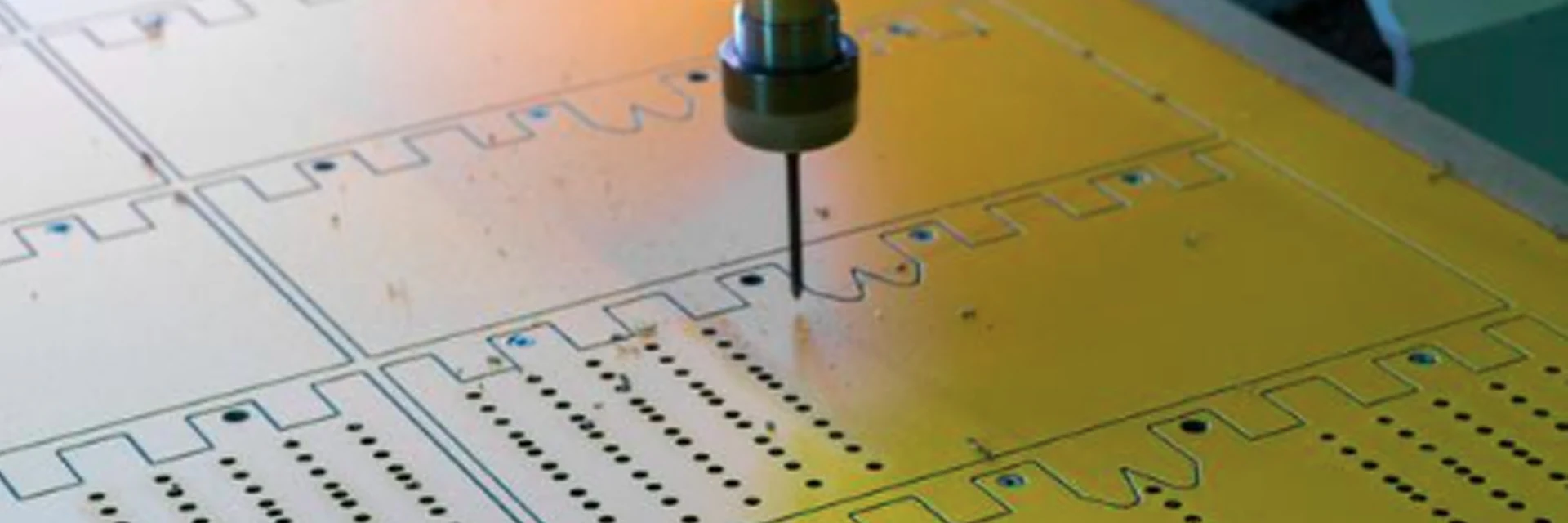
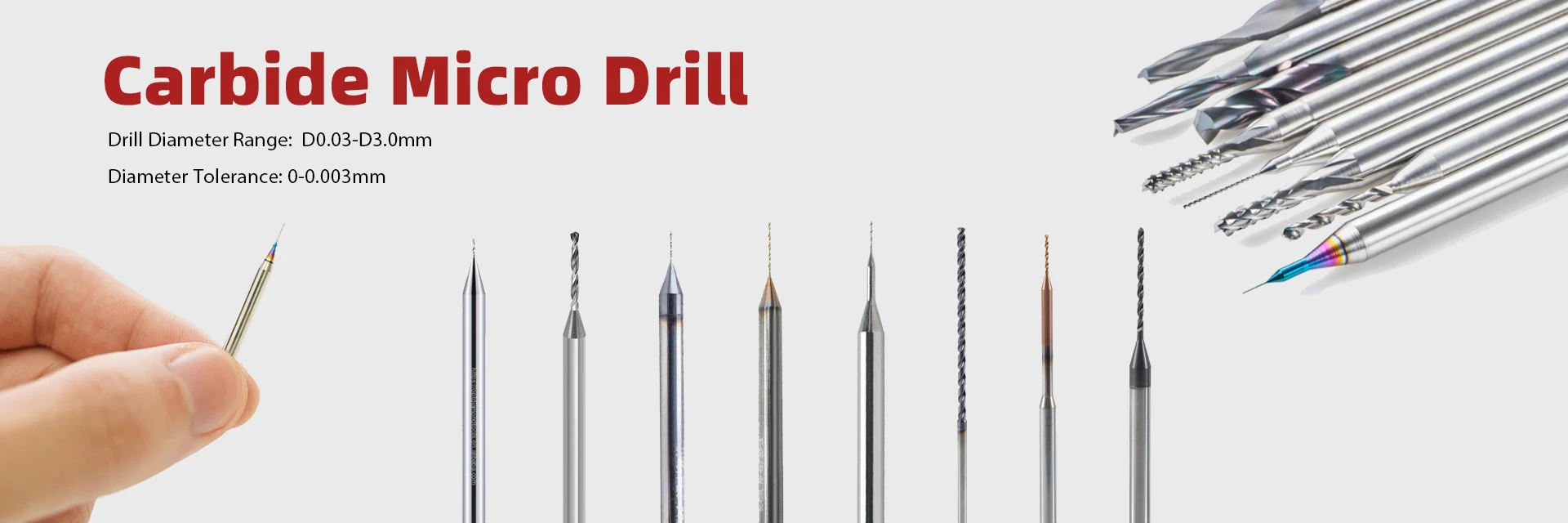
Choose carbide micro drills for small holes by diameter and the length needed to reach them. The 326 and 426 series start at 0.03 mm; their extra-long-flute 326L and 426L versions start at 0.04 mm. All four extend to 3.0 mm.
Compare point angle, flute length and the mounted setup at your exact diameter. A longer flute helps reach a deeper feature, but it also needs suitable support, coolant delivery and chip clearance.
Send the hole diameter and depth, or an existing micro-drill reference for a quote.
Find a Micro DrillThe 326 and 326L use a 120° point. The coated 426 and 426L use a 118° point up to 1.0 mm diameter and 135° above 1.0 mm. All four have a 3.0 mm shank.
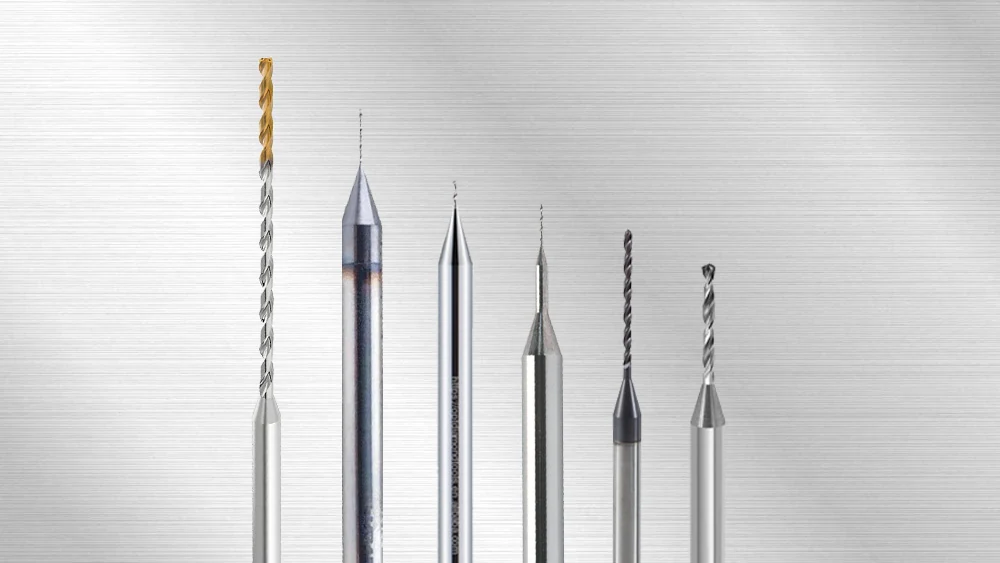
Regular flute
0.03–3.0 mm
120° point with regular flute length.
Extra-long flute
0.04–3.0 mm
120° point with extra-long flute length.
Regular flute
0.03–3.0 mm
Coated; 118° point up to 1.0 mm, 135° above 1.0 mm.
Extra-long flute
0.04–3.0 mm
Coated, extra-long flute; 118° point up to 1.0 mm, 135° above 1.0 mm.
For small slots or contours, use Micro End Mills. For other hole sizes and depths, compare Solid Carbide Drills in 3D–8D and Solid Carbide Deep Hole Drills in 10D–30D.
Compare the point geometry and tool-diameter tolerance at the size you need.
Compare Micro Drill SeriesThe diameter tolerances below apply to the drill itself. Specify the finished-hole tolerance separately when asking for a tool recommendation.
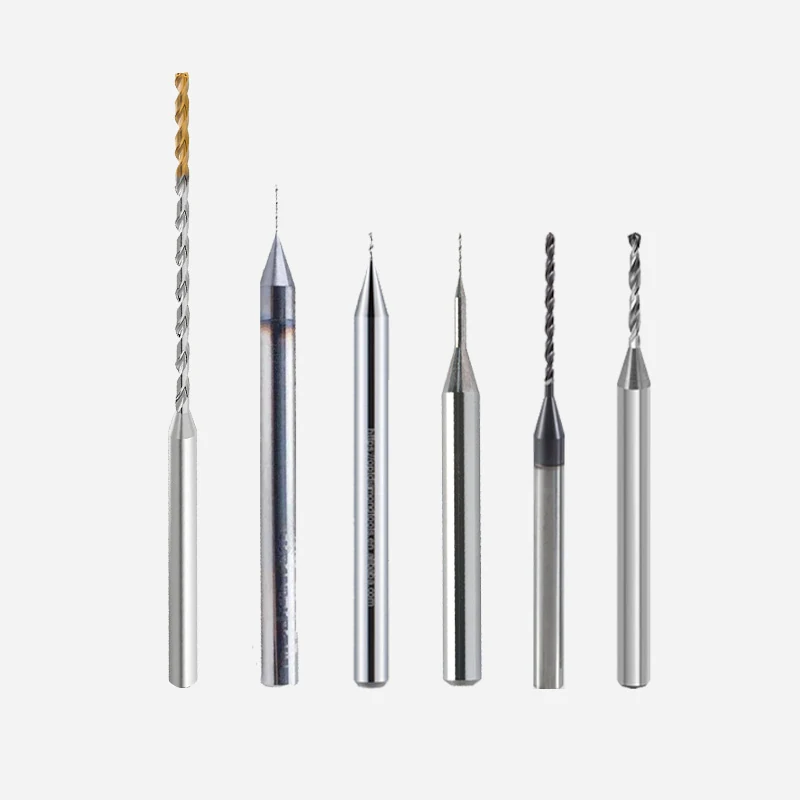
| Series | Cutting diameter | Drill-diameter tolerance | Point and flute |
|---|---|---|---|
| 326 | 0.03–3.0 mm | 0 / −0.003 mm | 120°; regular flute |
| 326L | 0.04–3.0 mm | 0 / −0.005 mm | 120°; extra-long flute |
| 426 | 0.03–3.0 mm | 0 / −0.005 mm | 118° at ≤1.0 mm; 135° above; regular flute |
| 426L | 0.04–3.0 mm | 0 / −0.005 mm | 118° at ≤1.0 mm; 135° above; extra-long flute |
A series change can alter flute length even when cutting diameter and shank stay the same. Compare the complete dimensions before replacing a tool in an existing program.
Check reach and clamping before choosing an extra-long-flute version.
Check the Micro-Drilling SetupStart with the shortest flute and mounted projection that can reach the feature. Check the holder, entry surface and coolant access before deciding that more length is needed.
Increasing overall length and increasing flute length solve different clearance problems. Include a part section showing where the tool and holder must fit.
For a stepped micro-hole or special reach, email the drawing to discuss Custom Cutting Tools.
Show the hole depth and surrounding clearance on your drawing.
Discuss a Micro-Drilling JobThese 0.10 mm examples have the same 3.0 mm shank and 38 mm overall length. Their flute lengths differ, so the diameter alone is not enough to identify a replacement.
326-0100 · cutting diameter 0.10 mm
Flute length 1.1 mm · overall length 38 mm · shank 3.0 mm.
326L-0100 · cutting diameter 0.10 mm
Flute length 3.0 mm · overall length 38 mm · shank 3.0 mm.
426-0100 · cutting diameter 0.10 mm
Flute length 1.0 mm · overall length 38 mm · shank 3.0 mm.
426L-0100 · cutting diameter 0.10 mm
Flute length 3.0 mm · overall length 38 mm · shank 3.0 mm.
Where a diameter has several flute-length options, state the required length with the order. Confirm the coating for the selected 426 or 426L tool.
Find the full dimension drawings in Downloads.
Use the full tool reference and dimension drawing when ordering.
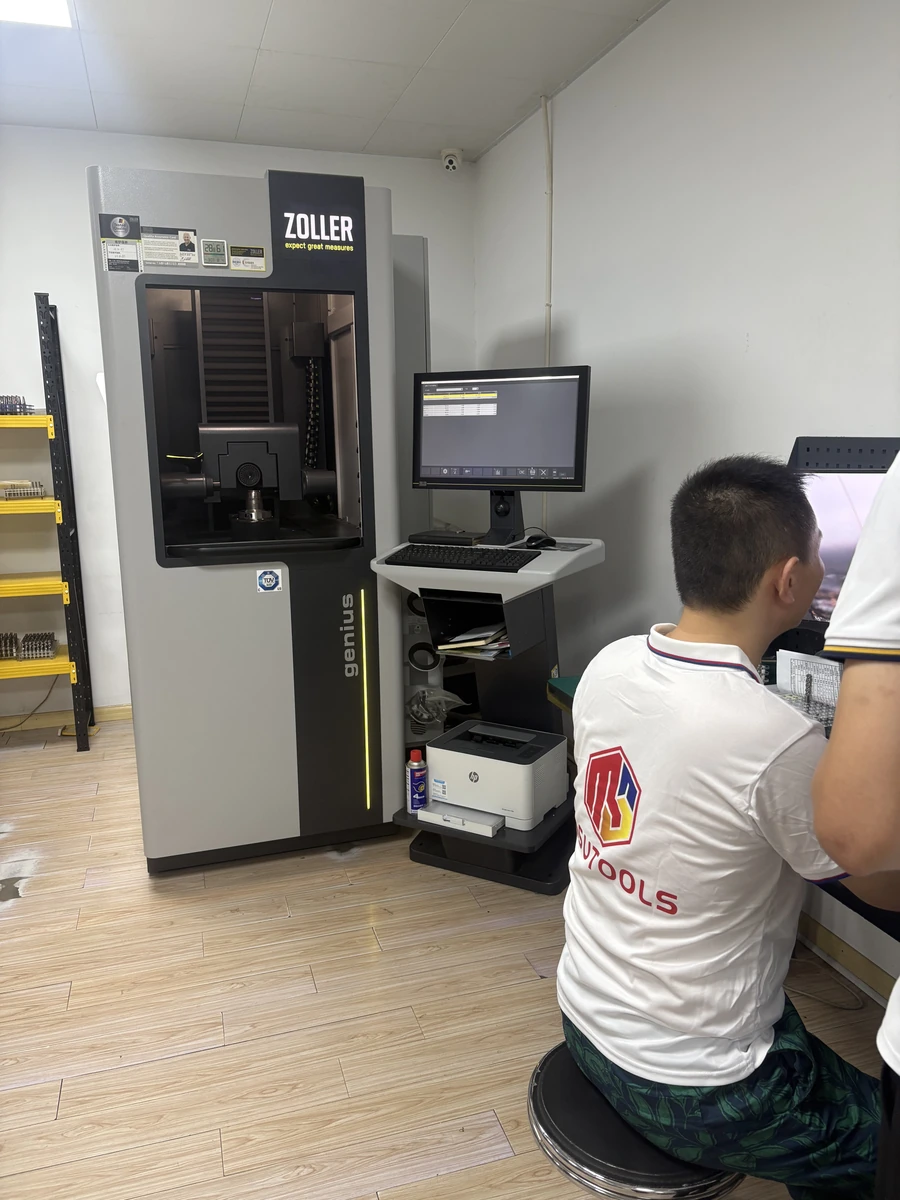
View Tool DimensionsAgree which tool dimensions need measurement, then define the method for checking the micro-hole. Include the finished diameter limits, depth and any controlled position.
See MSU Factory and Quality Control for equipment and tool-measurement information.
For a repeatability problem, compare the mounted setup, tool condition and workpiece measurements across the affected parts. Keep the measurement method consistent.
Specify the tool measurements and records required before placing the order.
View Tool Inspection Information
The quotation will identify the selected tools or components, quantity, delivery terms and any agreed inspection records.
Use the full tool or component reference and quantity, or the previous order number. Mention any change to the application.
Email the hole drawing and material. Highlight the depth, tolerance, clearance or machining problem that needs attention.
MOQ is normally 5–10 pieces, confirmed for the selected product. Samples and sample freight are charged.
Production and shipping timing are confirmed in the quotation. T/T deposit and balance terms are stated with the order.
See Ordering and Delivery for purchasing terms and Downloads for dimension drawings.
Email Maria at maria@msutools.com or call/WhatsApp +86 13973369578.
Check the purchasing terms when confirming your tool reference, quantity and delivery.
View Ordering and DeliveryThe 326 and 426 ranges start at 0.03 mm; 326L and 426L start at 0.04 mm. All four extend to 3.0 mm. Flute length depends on the selected diameter and model.
Choose 326L or 426L when the extra flute length is needed for the feature. Check the mounted reach, entry condition and chip-clearing process at that diameter.
Not necessarily. At 0.10 mm, the examples shown have different flute lengths but share a 38 mm overall length. Compare both dimensions when replacing a drill.
No. Drill tolerance describes the tool. Measure the finished hole against the drawing’s limits; runout, cutting conditions and the workpiece also affect the result.
The 326 series uses a 120° point. The coated 426 series uses 118° up to 1.0 mm and 135° above 1.0 mm. Compare flute length and the material recommendation for the exact tool as well.
Record where breakage occurs, the tool reference, material, mounted runout and current cycle. Include the entry shape and coolant delivery so the setup can be assessed with the tool geometry.
Send the full tool code, flute length and quantity, or your previous order number. Mention any change to the material, hole depth or coating requirement.