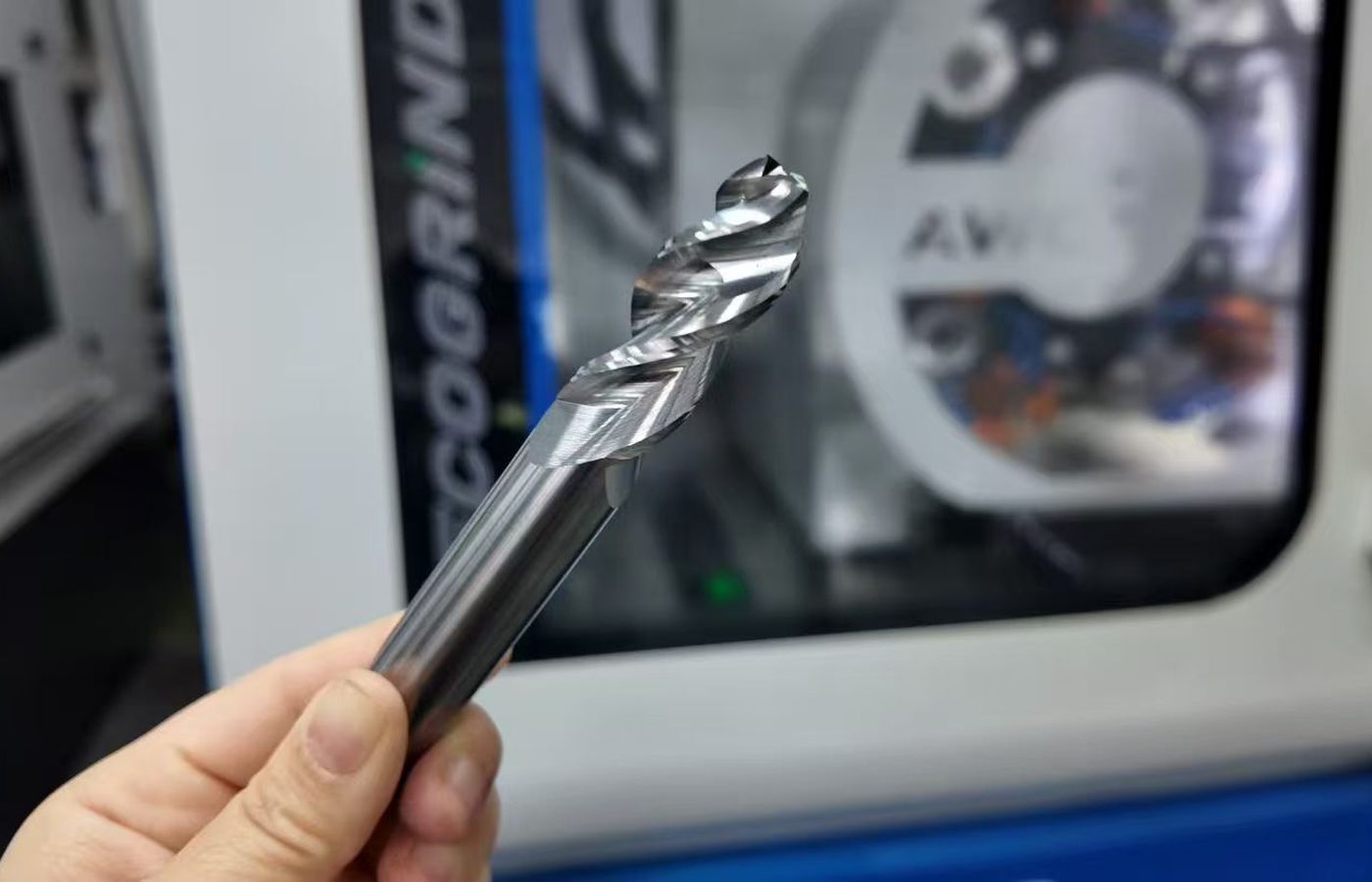
MA / MAE3
Square End Mills
Three-flute aluminum flat end-mill family in the current catalog range.

Aluminum Material and Application Review
Choose an end mill for aluminum by alloy, operation and machine conditions. Compare the MSU MA, MAU and MA-plus families, then select the exact product and starting conditions for your application.
For carbide end mills for aluminum, send the workpiece grade, feature, tool dimensions, machine and chip-evacuation conditions together. The exact product code and operating starting point remain subject to application review.
Send the aluminum grade and machining conditions for a product-family review.
Request an Aluminum Milling ReviewAn aluminum milling requirement is more useful when it identifies the material and the cut rather than only saying aluminum. Send the alloy or material specification, whether the stock is wrought or cast, and any relevant condition such as age hardening. Include the feature, toolpath, roughing or finishing intent, target diameter, required reach and quantity.
Single-flute aluminum applications need engineering review of the tool and cut. Router-bit, wood and plastic requirements must be assessed separately from these aluminum end-mill families.
Use these details to select a catalog tool, specify the required geometry or prepare a custom inquiry. Aluminum alloy and machine conditions must be considered together.
Map the material and operation before comparing the three aluminum families.
Compare Aluminum FamiliesMSU aluminum routes include the MA, MAU and MA-plus series. Compare the family route first, then verify the complete catalog code and application conditions.
MA / MAE3
Three-flute aluminum flat end-mill family in the current catalog range.
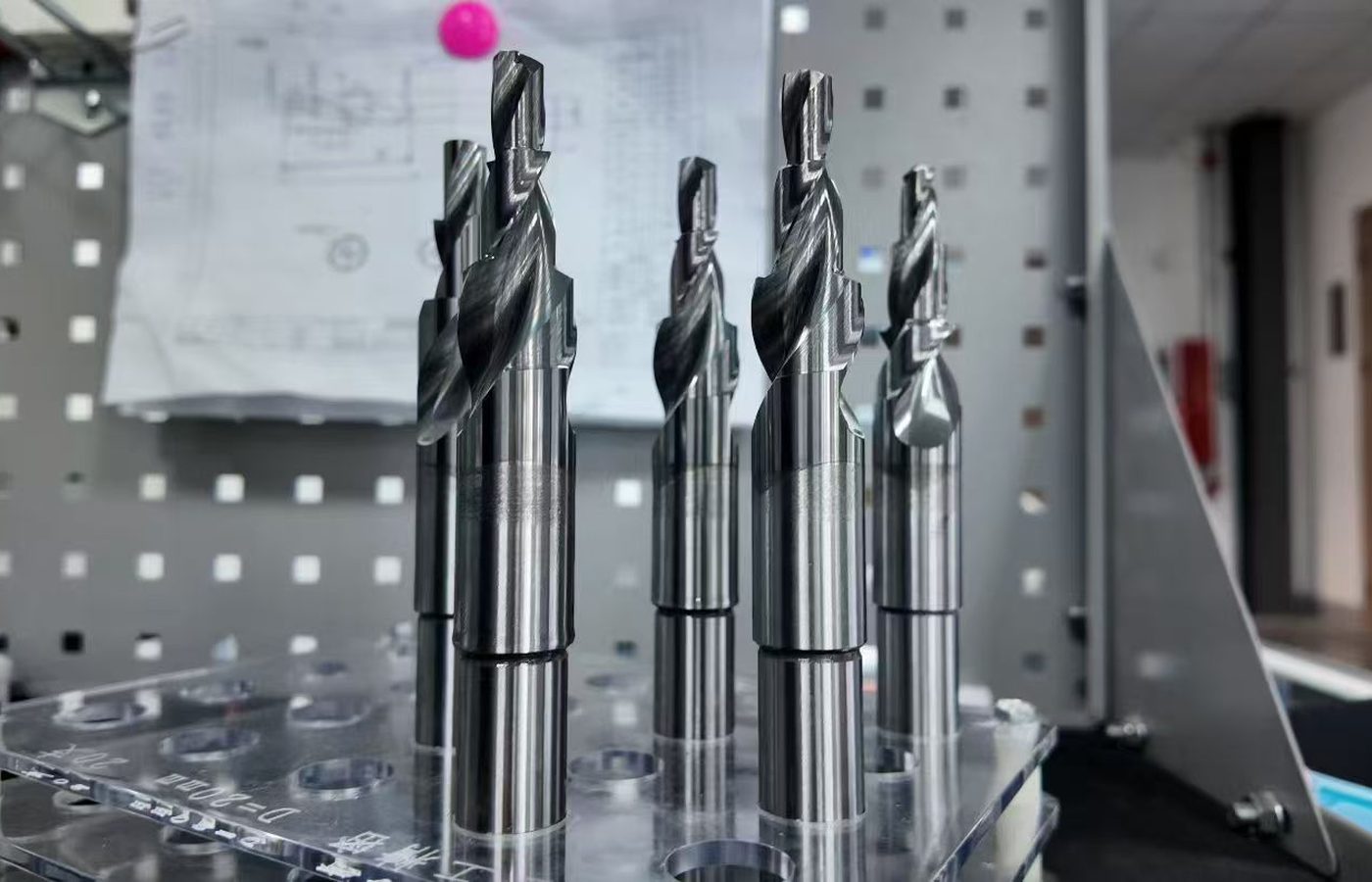
MAU / MAU3
Three-flute U-shaped aluminum flat end-mill family in the current catalog range.
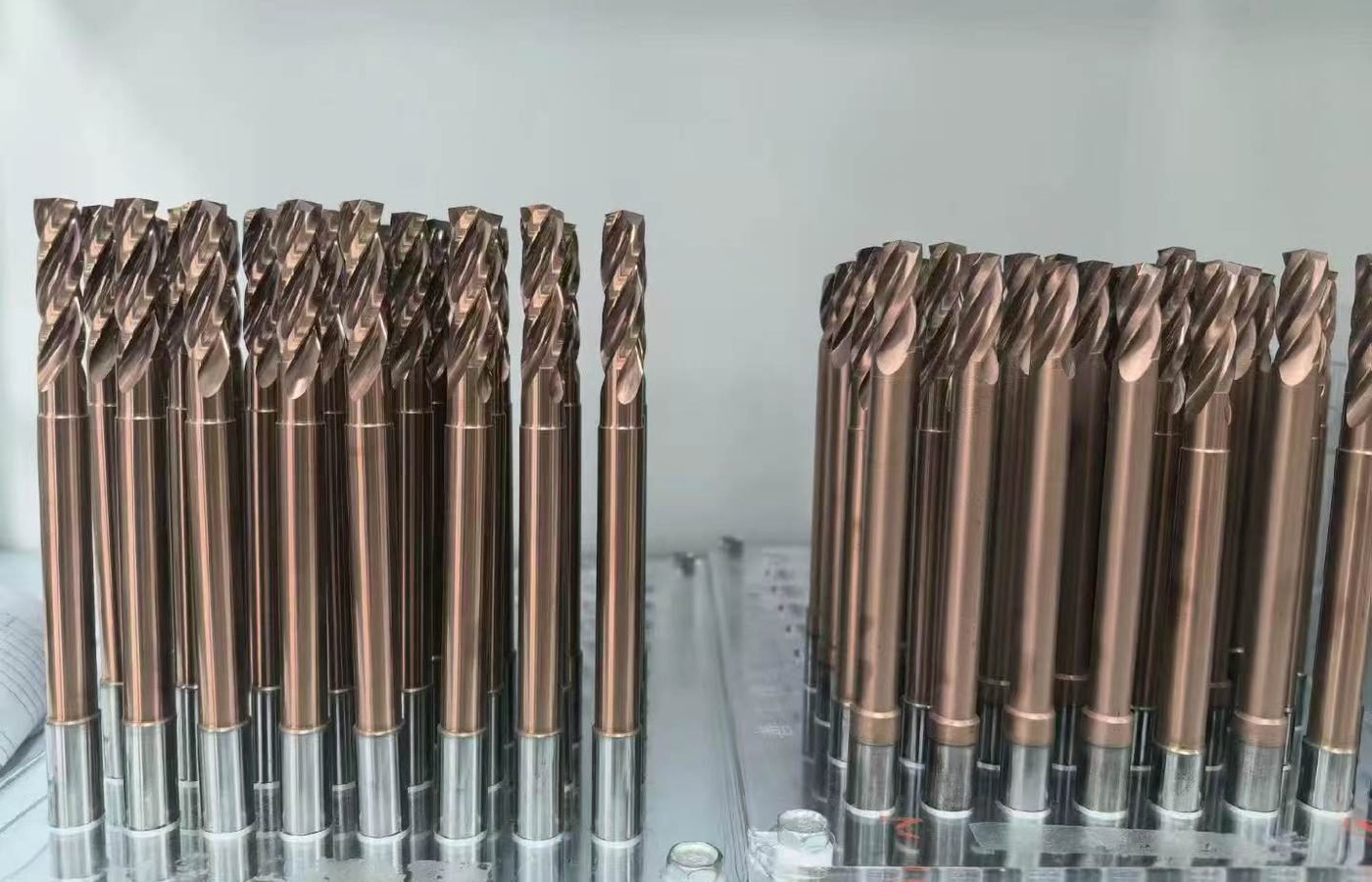
MA-plus / MAE3-plus
Enhanced three-flute aluminum flat end-mill family in the current catalog range.
| Series | Family | Product route | Scope note |
|---|---|---|---|
| MA | MAE3 | Square End Mills | Three-flute aluminum flat end-mill family in the current catalog range |
| MAU | MAU3 | Square End Mills | Three-flute U-shaped aluminum flat end-mill family in the current catalog range |
| MA-plus | MAE3-plus | Square End Mills | Enhanced three-flute aluminum flat end-mill family in the current catalog range |
The three families can also be reviewed through the Carbide End Mills product page. The family name is not a substitute for the complete catalog code, diameter, reach, coating or ordering rule. Current catalog fields should be checked before quotation.
Compare MAE3, MAU3 and MAE3-plus by the required geometry and complete code. The aluminum starting values in the next section apply only to MAE3-plus. MAE3, MAU3 and other end forms need separate parameter selection.
Open the Square End Mills page when the required geometry is already known.
Review Square End MillsStart with the cut geometry and then check whether the selected family provides the required catalog fields.
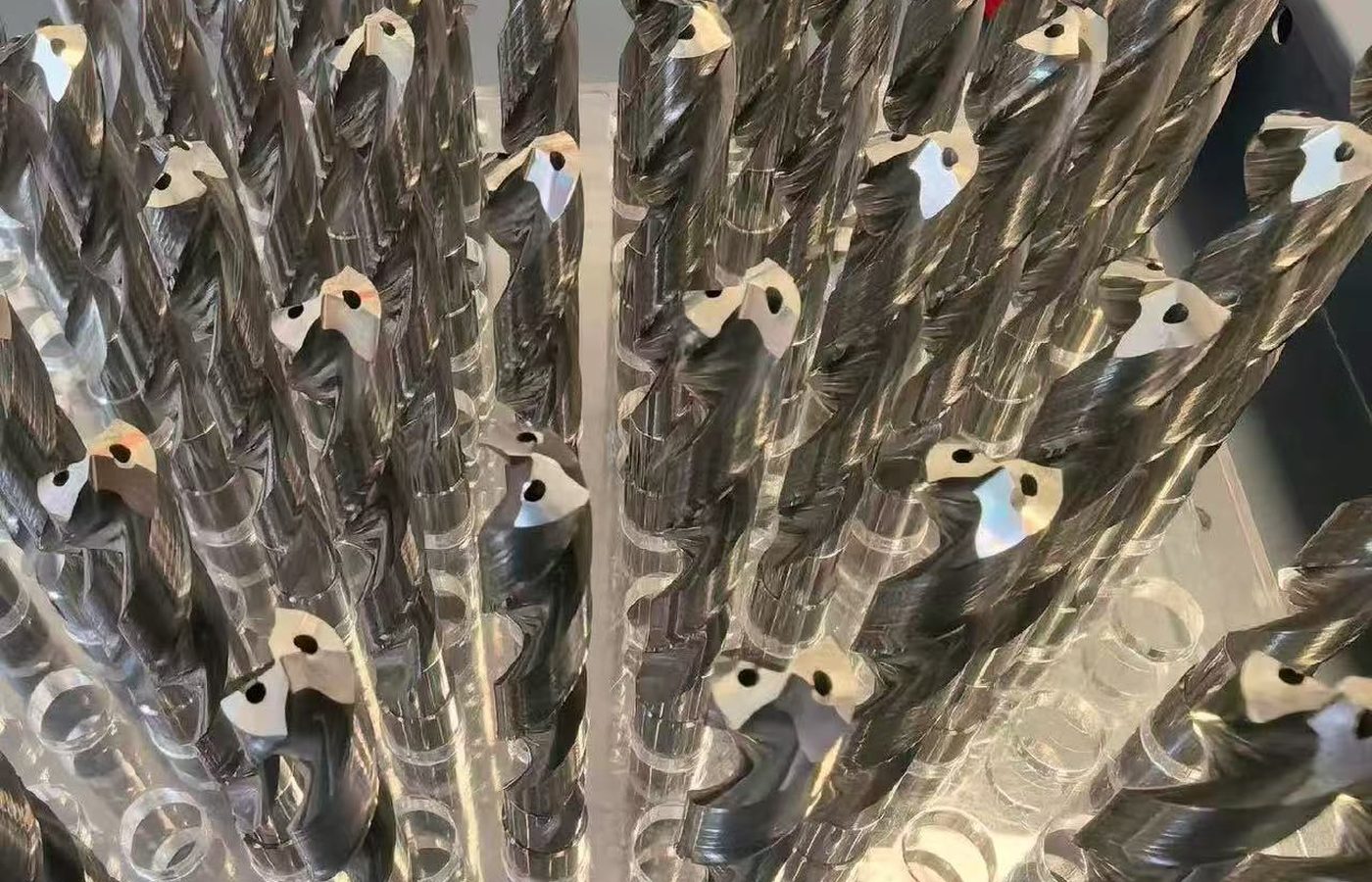
MAE3-plus only Shoulder milling Ap = 2.5 D Ae = 0.15 D
The following values are starting points for MAE3-plus only. They are tied to shoulder milling with Ap = 2.5 D and Ae = 0.15 D. Metric units apply. fz values are mm/tooth. Select the column matching the cutter diameter, then verify the complete tool code and setup before use.
| Material and condition | Hardness / reference | Vc (m/min) | fz Ø2 | fz Ø4 | fz Ø6 | fz Ø8 | fz Ø10 | fz Ø12 | fz Ø14 | fz Ø16 | fz Ø20 |
|---|---|---|---|---|---|---|---|---|---|---|---|
| Wrought aluminum alloy, not age-hardened | HB 30 | 380–450 | 0.022 | 0.040 | 0.055 | 0.085 | 0.090 | 0.110 | 0.120 | 0.140 | 0.180 |
| Wrought aluminum alloy, age-hardened / naturally aged | HB 100; tensile 340 N/mm² | 320–380 | 0.022 | 0.040 | 0.055 | 0.065 | 0.090 | 0.110 | 0.120 | 0.140 | 0.160 |
| Cast aluminum alloy, ≤12% Si, not age-hardened | HB 75; tensile 260 N/mm² | 260–300 | 0.022 | 0.040 | 0.055 | 0.065 | 0.090 | 0.110 | 0.120 | 0.140 | 0.160 |
| Cast aluminum alloy, ≤12% Si, age-hardened / naturally aged | HB 90; tensile 310 N/mm² | 260–300 | 0.022 | 0.040 | 0.055 | 0.065 | 0.090 | 0.110 | 0.120 | 0.140 | 0.160 |
| Cast aluminum alloy, >12% Si, not age-hardened | HB 130; tensile 450 N/mm² | 250–290 | 0.019 | 0.034 | 0.047 | 0.055 | 0.077 | 0.094 | 0.102 | 0.119 | 0.136 |
Use these MAE3-plus values as starting points for the listed aluminum conditions. Confirm the alloy, material condition, diameter, engagement, tool geometry, machine, holder, overhang, workholding, coolant and chip evacuation. Begin conservatively and validate the result in your setup. MAE3, MAU3, copper and other end forms require separate starting conditions.
For broader selection context, review the End Mill Selection Guide, End Mill Coating Guide and End Mill Flute Count Guide.
Send the exact alloy and setup before applying a series-level starting value to a specific tool.
Ask for Selection SupportThe end-mill catalog lists the MA, MAU and MA-plus families. The starting table applies only to MAE3-plus under the stated shoulder-milling conditions.
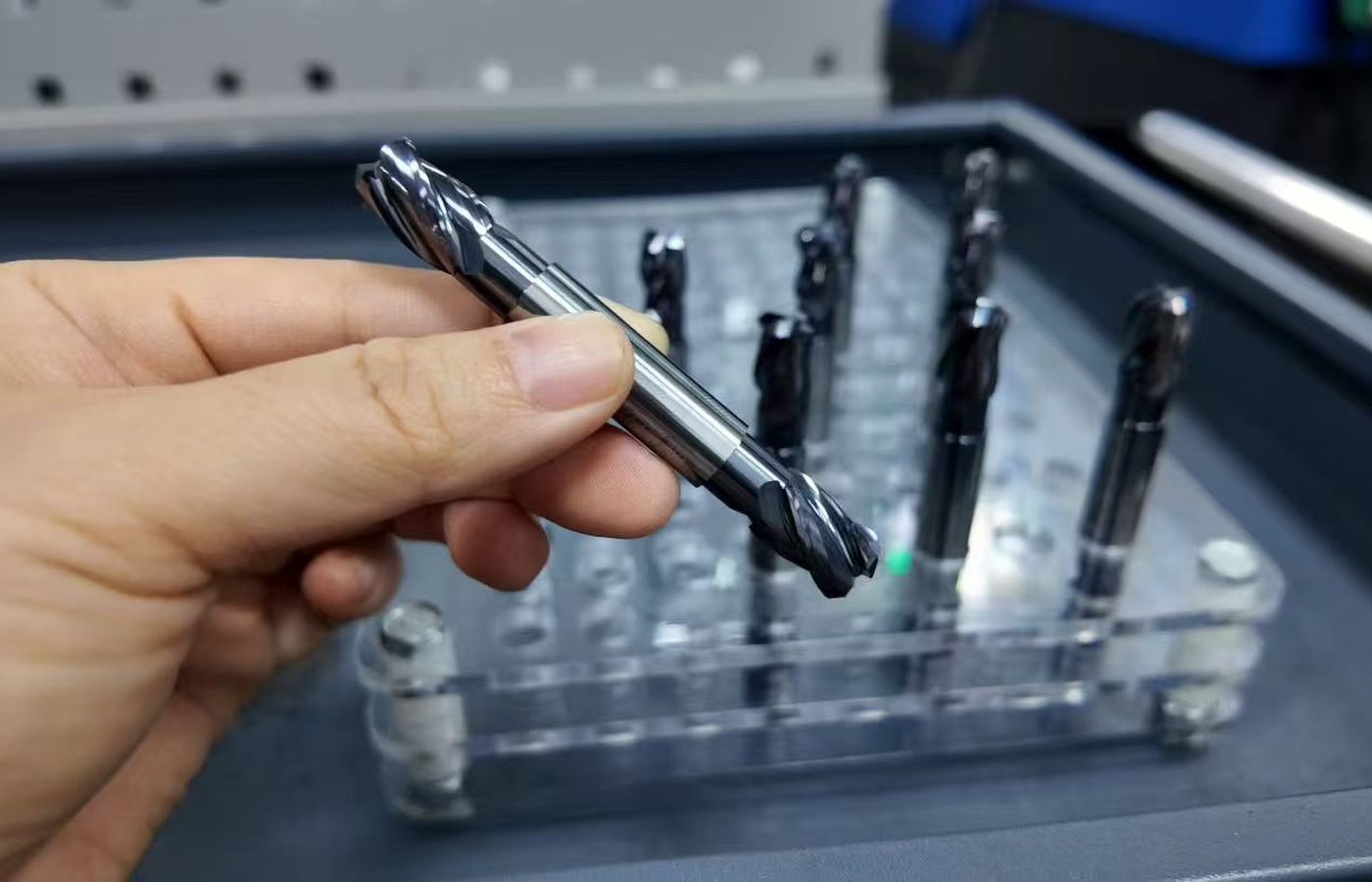
Catalog records support family-level product identification. The complete code, diameter, reach, coating and ordering fields still need to be checked for the requested tool.
Use the MAE3-plus starting values with the listed material category, diameter, Ap and Ae. Select separate starting conditions for MAE3, MAU3, copper or another end form.
Assess tool life, cycle time, finish, accuracy and chip control using the exact tool and machining setup. Include the coating, flute geometry and any current tool or result you want to compare in your inquiry.
Verification route
Use Downloads to check the catalog and complete code. Factory provides manufacturing information for MSU carbide end mills, while Quality Control covers inspection requirements and document requests.
Verify the catalog information and keep the operating conditions attached to every selection.
View End Mill CatalogsCompare catalog geometry and dimensions with your aluminum application, or send the drawing for custom engineering review.
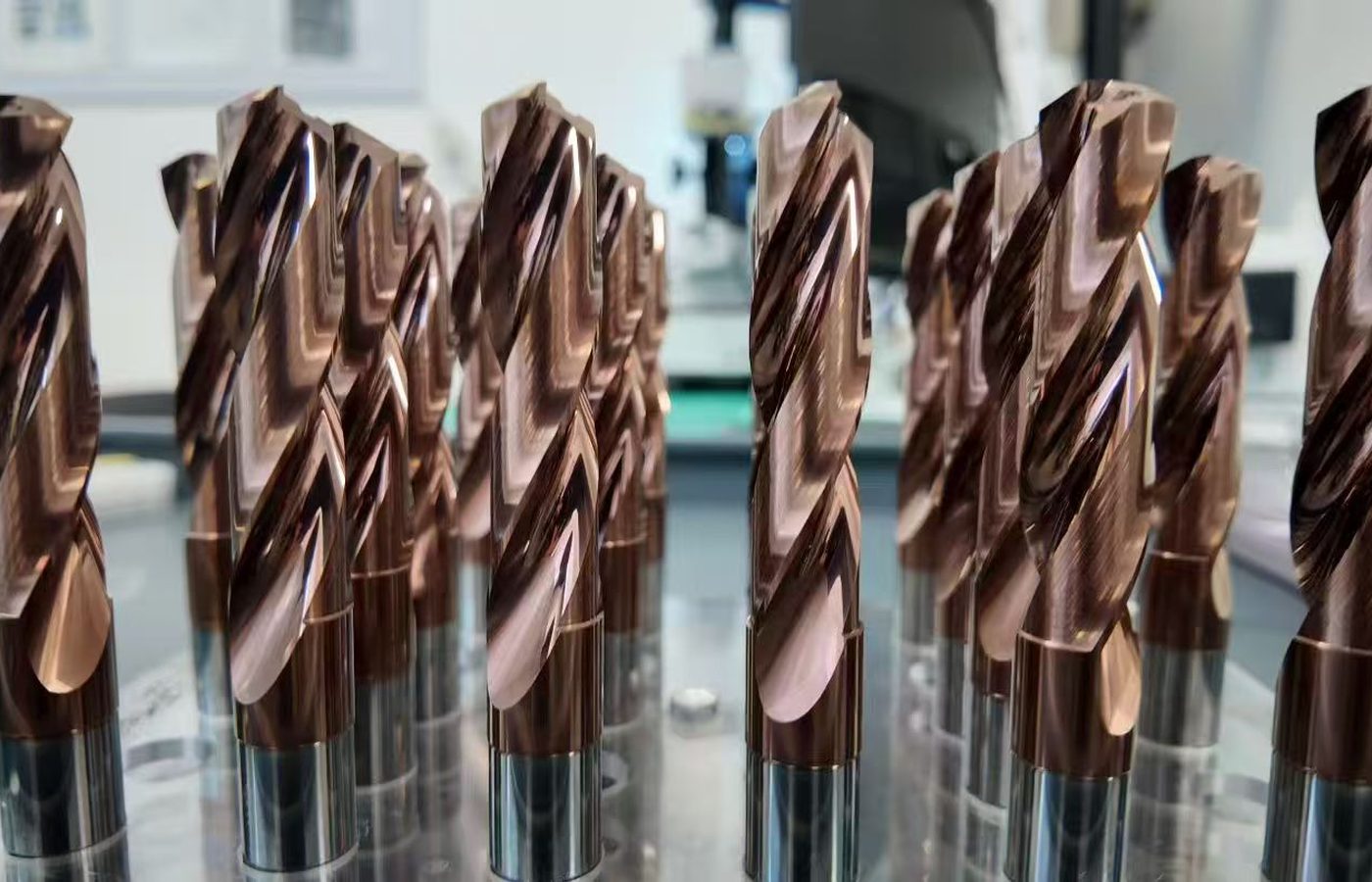
Use the custom route when the catalog geometry or ordering fields do not match the aluminum application.
Review Custom Cutting ToolsCompare aluminum and non-ferrous milling requirements within the MA, MAU and MA-plus family range. Send the exact alloy and condition for selection.
MA / MAE3, MAU / MAU3 and MA-plus / MAE3-plus. The exact code, geometry and ordering fields must still be checked.
No. These are MAE3-plus series-level starting values. MAE3 and MAU3 require their own parameter selection.
They describe shoulder milling with Ap = 2.5 D and Ae = 0.15 D. Confirm the operation and engagement before using them.
No. They are starting points for the listed material categories and conditions. Verify the actual alloy, setup and tool code.
These families are for MSU aluminum end-mill selection. Router-bit, wood and plastic requirements need separate product and application review.
Yes, as an engineering review request. Send the drawing or tool details, alloy, operation, machine, chip-evacuation conditions and quantity.