
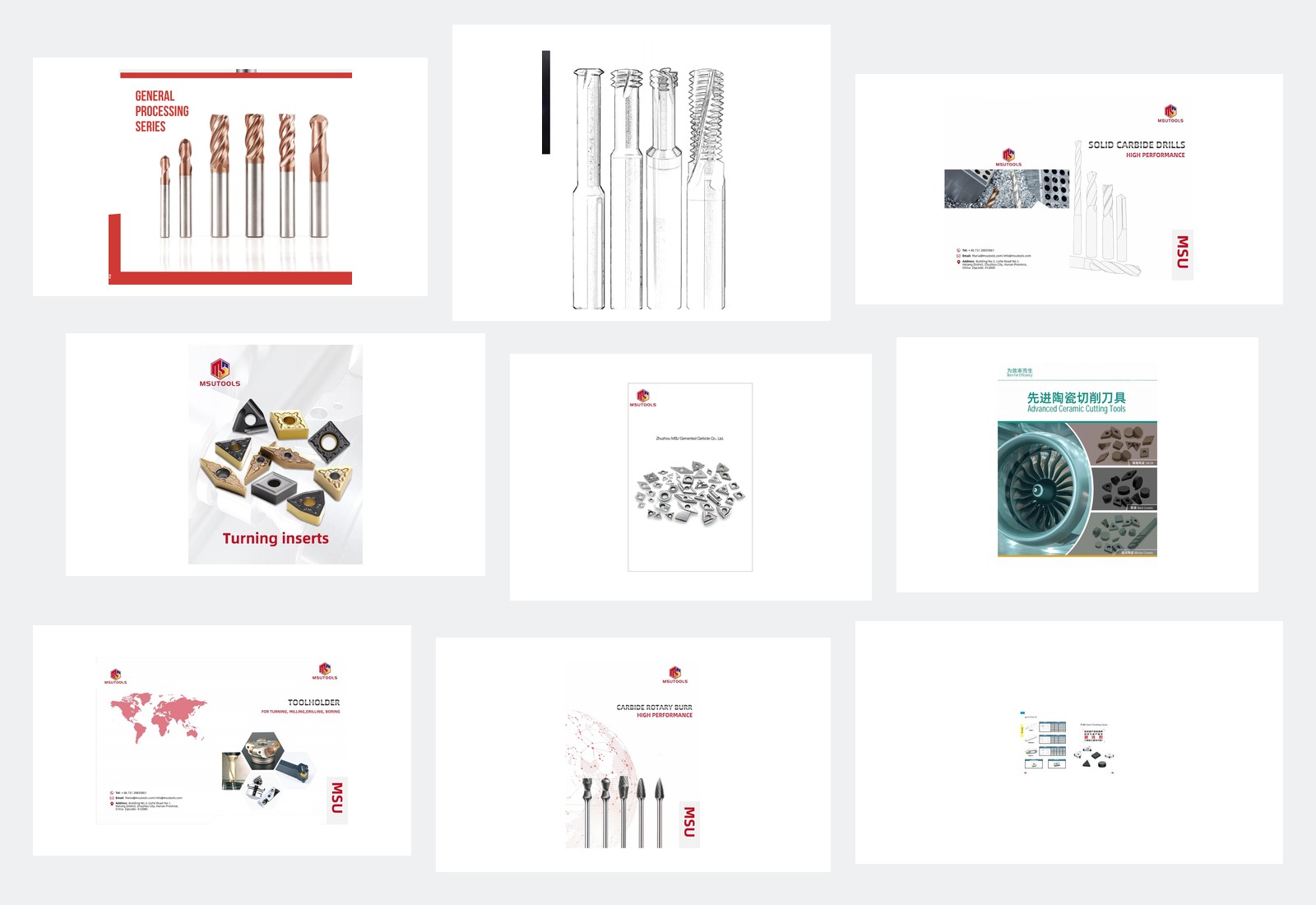
End Mill Flute Count Guide
Flute count affects the number of cutting edges and the space available for chips. Compare 2-, 3- and 4-flute designs with the workpiece material, operation and engagement before choosing a model.
Check flute count together with diameter, reach, end geometry, coating and holder. The exact series and machine conditions determine the suitable cutting parameters.
Send the material, operation and current tool when flute count is uncertain.
Ask a Flute-Count QuestionScope and Intended Use
Compare one-, two-, three- and four-flute options for a defined milling application.
Use these comparisons to narrow the flute count, then check the available models in Carbide End Mills or Single-Flute End Mills.
Compare 1-, 2-, 3- and 4-flute options by chip space and core support. In otherwise comparable designs, more flutes generally mean a larger core and smaller chip valleys. Fewer flutes leave more room for chips; flute depth and cutting engagement also affect the choice.
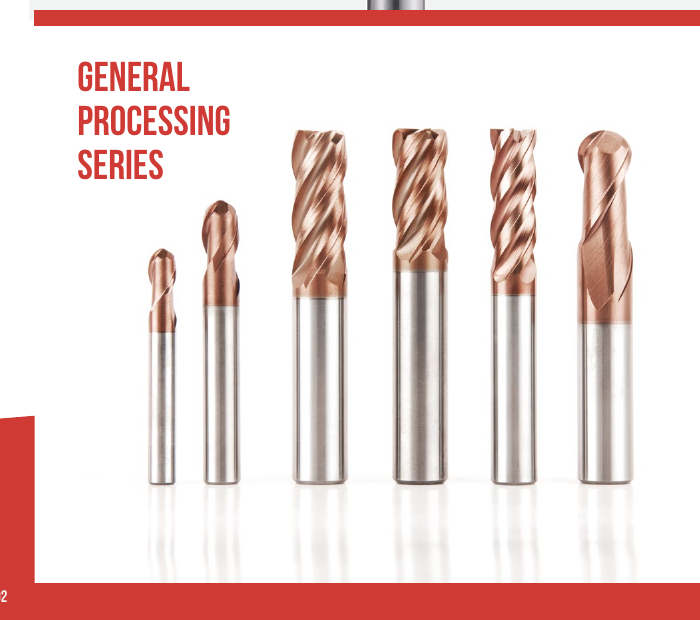
Open the relevant product page when the end form and flute-count requirement are defined.
View Carbide End MillsSelection Framework
Review the material, operation and setup before comparing the available flute counts.
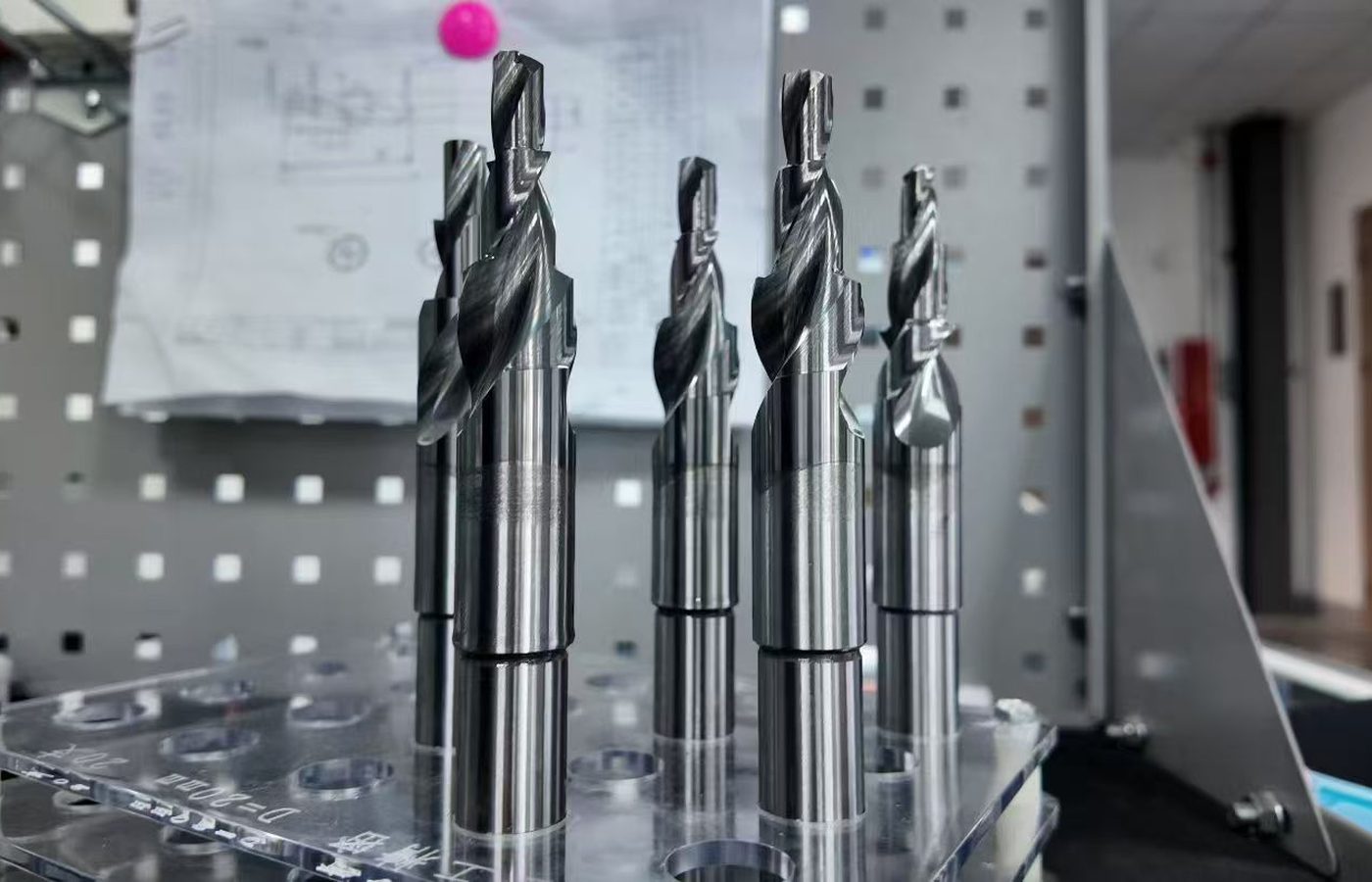
Table feed equals feed per tooth × spindle speed × effective cutting teeth. At unchanged table feed and rpm, adding teeth reduces feed per tooth. Recalculate feed when changing flute count, using the selected tool’s cutting recommendations.
Compare cutting edges and chip space in 1/2/3/4-flute designs for the same material and operation.
Compare Flute-Count FactorsCompare the Available Options
The descriptions below explain general design tradeoffs. Check the actual flute geometry and cutting recommendations of each MSU model.
1 flute
Chip-space priority
One cutting edge leaves a large flute opening. Compare this option when chip clearance is the main constraint, then confirm the material and operation specified for the exact single-flute model.
Confirm before ordering
Single-Flute page, complete code, material, spindle range and chip-clearance method.
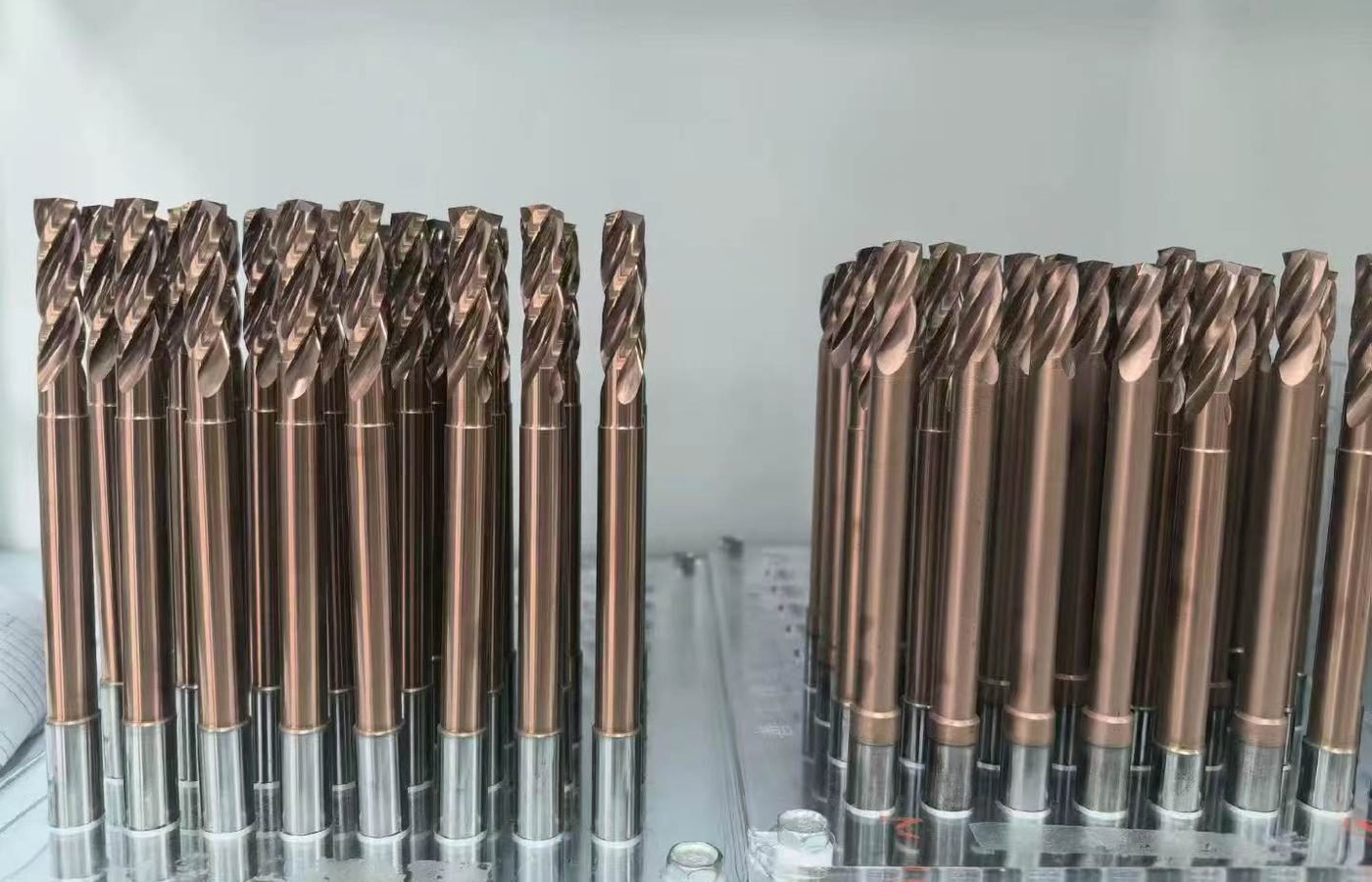
2 flutes
Fewer edges, larger chip valleys
Two-flute designs commonly provide generous chip space for slotting and non-ferrous work. Check the tool’s material range and engagement before choosing this count.
Confirm before ordering
Exact end form, family, coating and operating conditions.
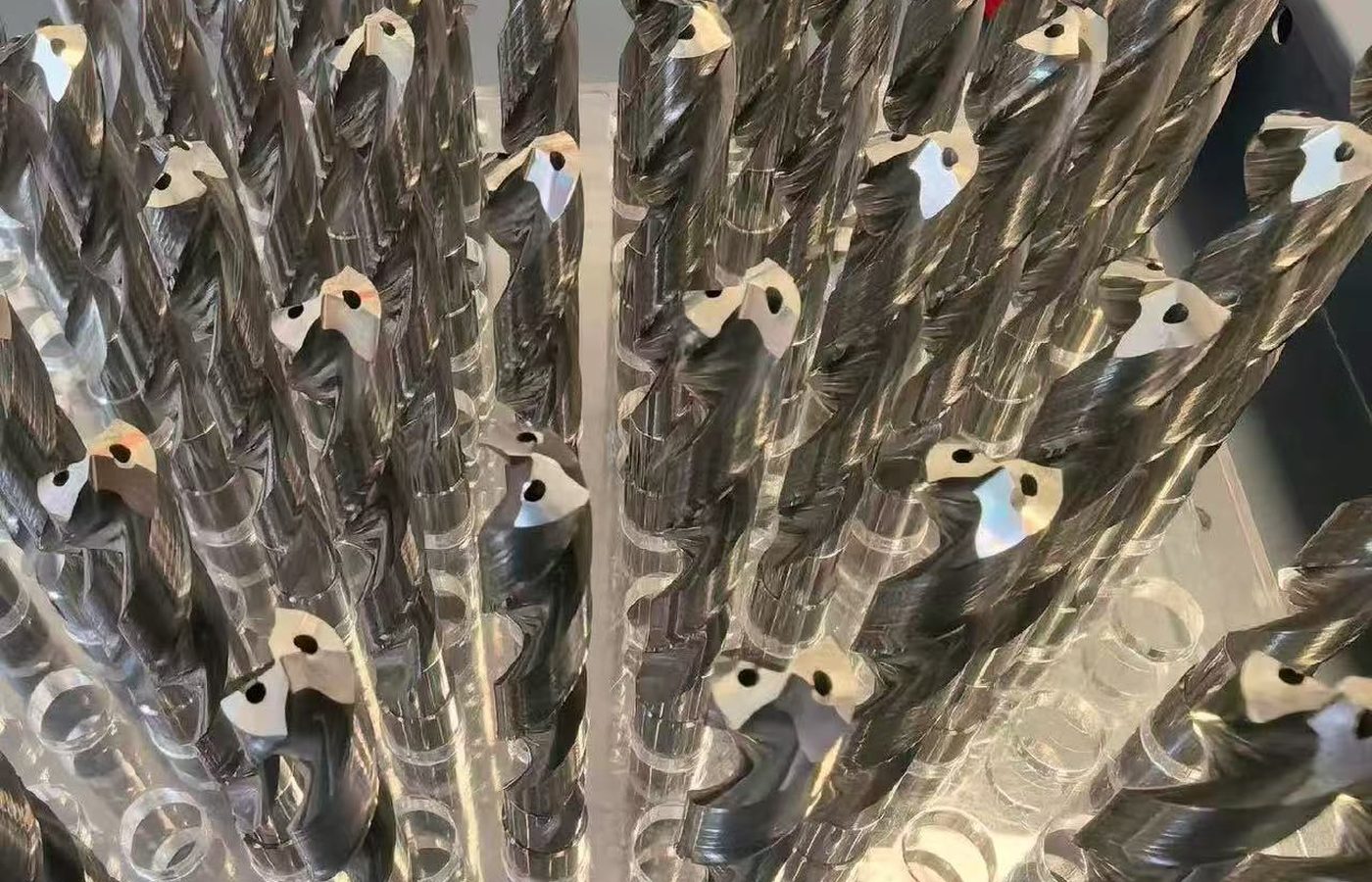
3 flutes
Balance of edges and chip space
Three-flute designs add an edge while retaining chip space in tools designed for non-ferrous work. Compare the actual flute depth and the operation supported by the selected series.
Confirm before ordering
Exact code, diameter, reach, coating and setup.
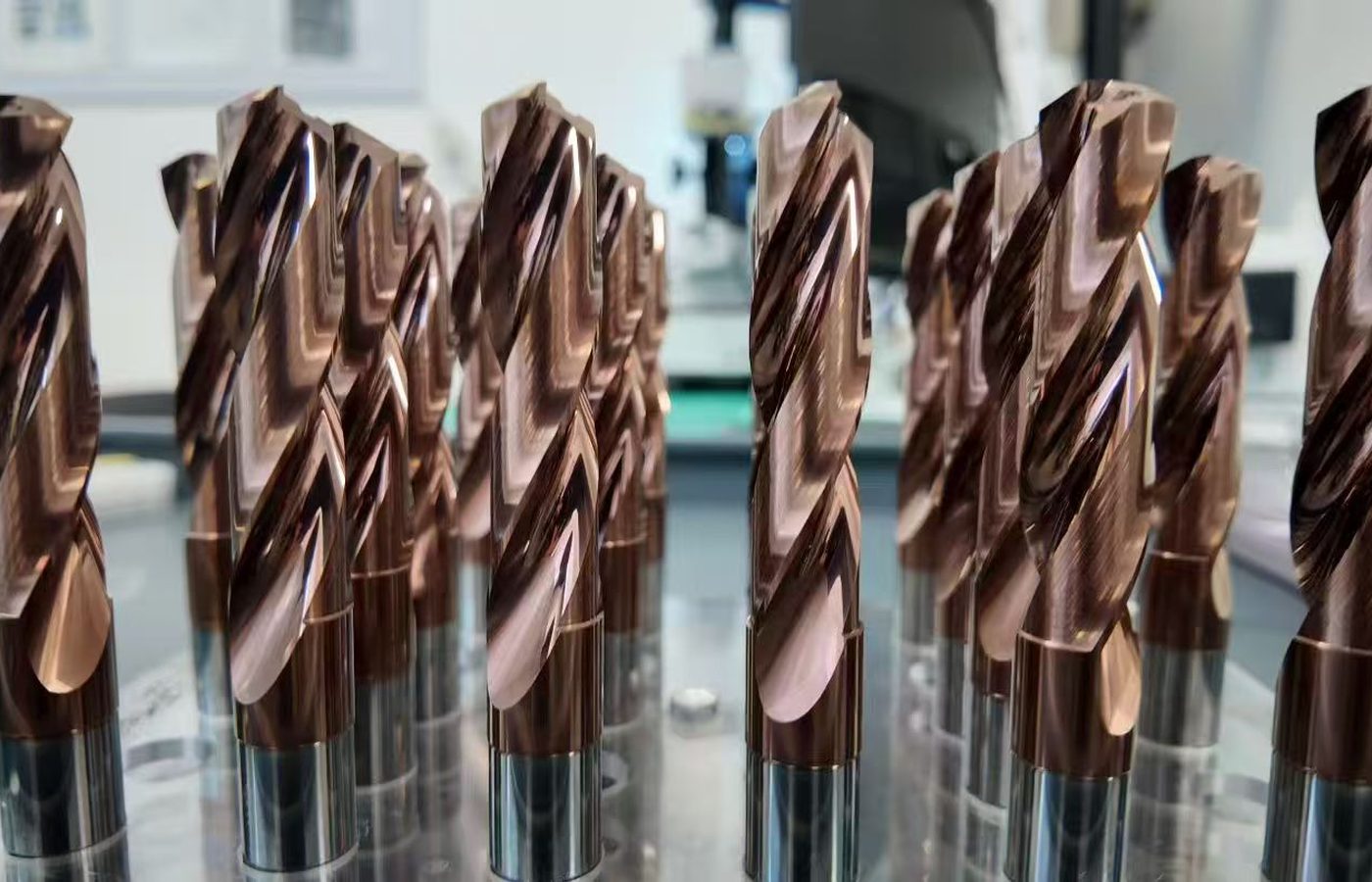
4 flutes
Core strength and chip clearance
Four-flute designs generally provide more core support and less chip space than comparable lower-count tools. They merit comparison for ferrous work and lighter finishing cuts; full slots need particular attention to chip clearance.
Confirm before ordering
Exact code, chip evacuation, holder and operating conditions.
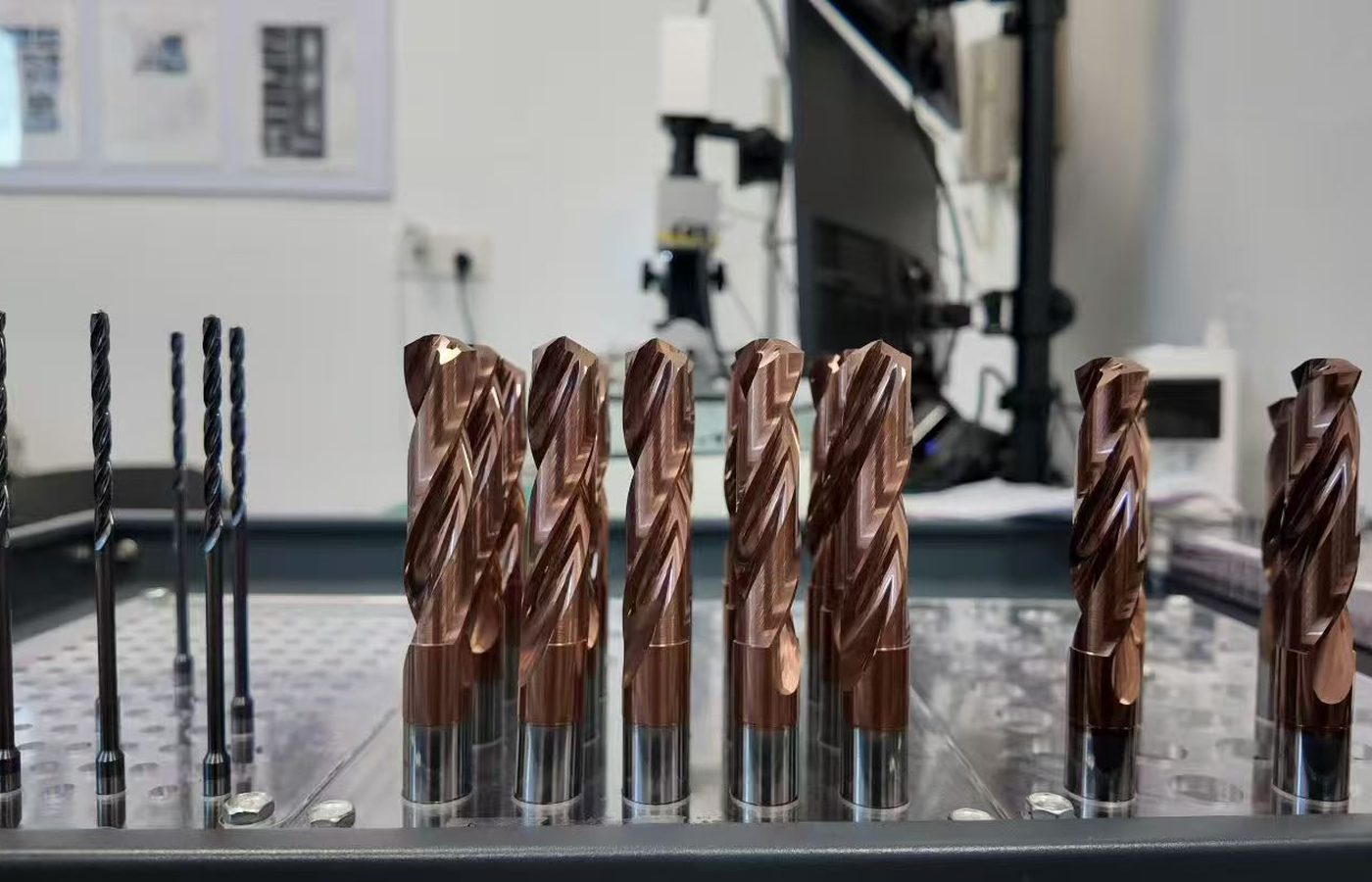
Check the flute count and cutting recommendations for the selected series.
Compare End Mill TypesApply the Guide to MSU Products
Match the flute-count choice to the complete model and cutting conditions.
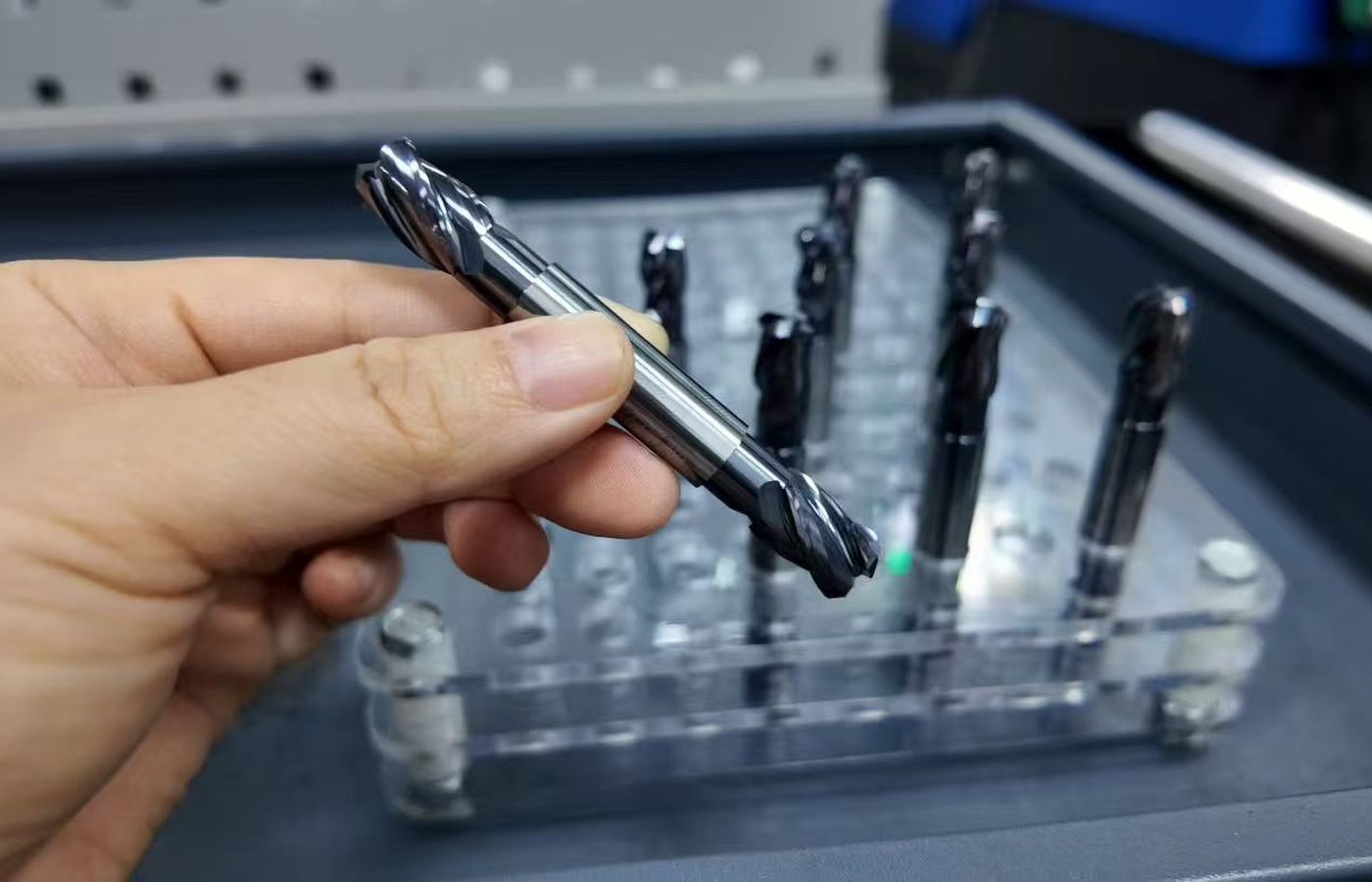
Start with the product family
Choose the required end form at Carbide End Mills. For a one-flute requirement, check Single-Flute End Mills. Confirm the available flute counts in the catalog for the chosen model.
Record the setup
Record the product family, code, diameter, reach, flute count, coating, operation, material, machine, holder, overhang, workholding and coolant or air method.
When the count is unclear
If the catalog does not show the required count or chip-clearance geometry, send MSU the code, drawing and cutting conditions for a model recommendation.
Attach the complete code and setup record when requesting product confirmation.
Review Current End Mill CatalogsProduct Documents and Cutting Conditions
Check the available flute counts and dimensions in the catalog, then confirm cutting data for the exact model and operation.
Available models
The current MSU end-mill catalog lists 1-, 2-, 3- and 4-flute options by series and model. Match the complete code, diameter, reach, coating and material range before ordering.
Trial and setup checks
Check chip clearance throughout the cut, especially in full slots and deep pockets. Recalculate feed per tooth when changing flute count, and assess tool load, chip formation, finish and dimensions during the trial.
Use Downloads for the current catalog, End Mill Selection Guide for the wider framework and Aluminum Milling when aluminum is the material-led task.
Send the model, operation and setup details when asking about flute count.
View Product DocumentsAsk a Technical Question
Send the exact product family or code, workpiece, operation and machine conditions when the flute-count choice remains open.
Required details
Name, company, business email, country or region, material, operation, feature, target tool or family and question.
Optional details
Current code, drawing, photographs, diameter, reach, flute-count preference, coating, machine, spindle, holder, overhang, workholding, coolant or air method, current speed and feed, observed issue, quantity, target date, phone and WhatsApp.
Upload guidance
Include tool markings, catalog pages, drawings and relevant measurement or result images. Remove confidential information that is not needed for review.
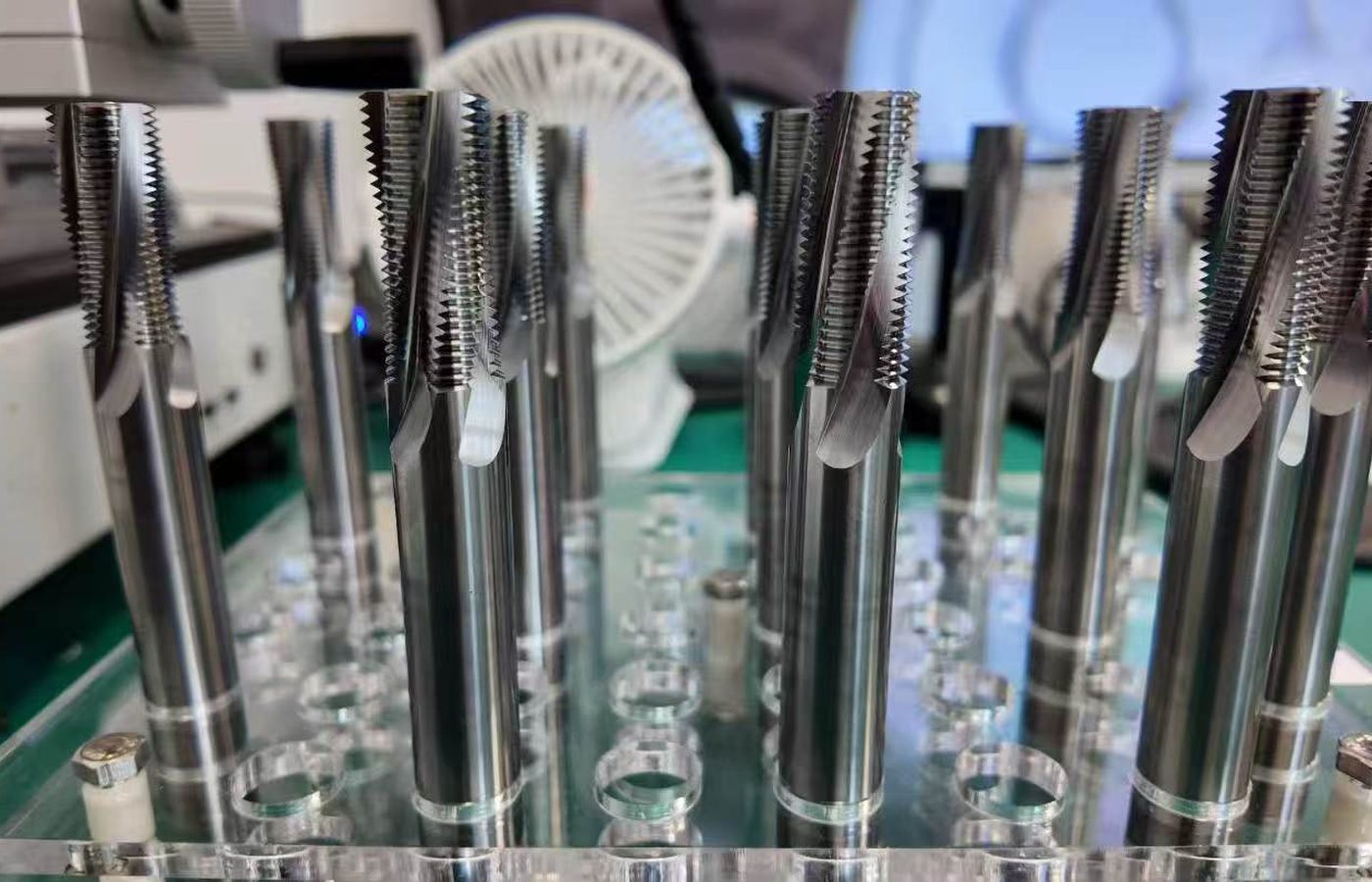
Send the complete flute-count question and setup details to MSU.
Contact MSUEnd Mill Flute Count Guide Questions
What does end mill flute count mean?
It is the number of cutting flutes in the tool. Flute count affects cutting-edge frequency and chip space, and forms part of the feed-per-tooth calculation.
How many flutes should an end mill have?
Choose from the flute counts available for the required material and operation. Check chip clearance, engagement, geometry and the machine setup for the exact model.
How do 2-, 3- and 4-flute end mills differ?
Compare the number of cutting edges with the available chip space and core size. The actual flute geometry, material, engagement and setup determine which count fits the job.
Does the guide cover single-flute end mills?
Yes. Check the complete Single-Flute End Mills model for its material range, chip clearance and spindle conditions.
Does more flutes always mean better performance?
Choose the count that supports the material and operation. Check the tool’s chip-clearance geometry, engagement and cutting recommendations before changing the count.
Does this guide cover router bits?
MSU’s catalog here covers carbide end mills. For a router-bit requirement, send the tool marking, workpiece and machine details so the product type can be identified.
What should I send if the count is unclear?
Send the material, feature, operation, current code, machine, holder, coolant or air method and a drawing or photograph when available.